National Justice for Animals Week Guide

National Justice for Animals Week happens during the fourth week of February each year. The Animal Legal Defense Fund organizes this to address important gaps in our legal system. This isn't about animal welfare philosophy or broader rights discussions. This focuses on justice: legal accountability, courtroom advocacy, and enforcement for animal crime victims.
Key Info: National Justice for Animals Week
- When is National Justice for Animals Week?
Occurs in the 4th week of February - This Year (2026):
Sunday 22nd - Saturday 28th February 2026 (date has passed) - Official Website: Animal Legal Defense Fund
-
Future Dates
- Sunday 28th February - Saturday 6th March 2027
- Sunday 27th February - Saturday 4th March 2028
- Sunday 25th February - Saturday 3rd March 2029
- Sunday 24th February - Saturday 2nd March 2030
-
Additional Details
- Observed By: Animal rights advocates, legal professionals, and communities in the United States
- Where Is It Observed: United States
- Primary Theme: Animal Legal Protection and Justice
- Hashtags: #JusticeForAnimals #AnimalLegalDefense #AnimalRights #AnimalProtection #ALDF
Quick Links: National Justice for Animals Week
Why National Justice for Animals Week Matters
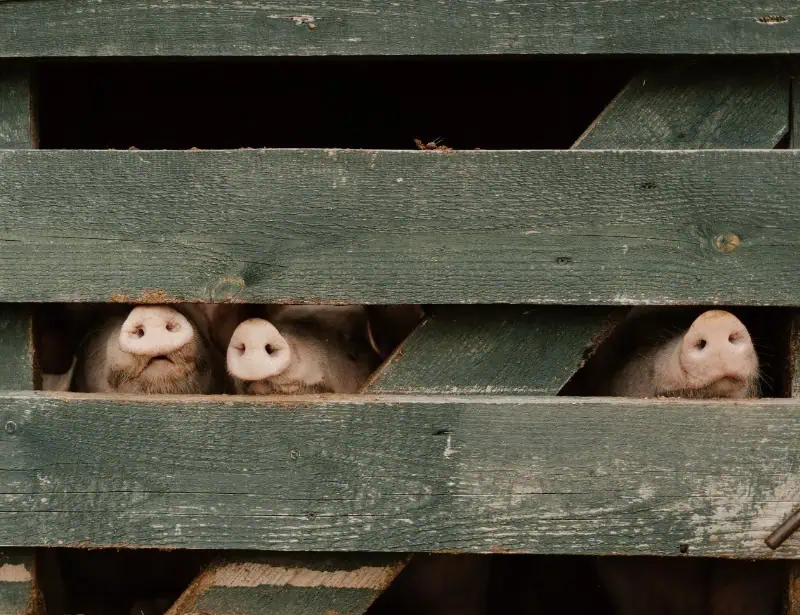
Animal cruelty cases slip through legal cracks constantly. Communities can't recognize abuse patterns. Law enforcement faces reporting gaps and prosecution challenges regularly.
The justice emphasis separates this observance from World Animal Day's welfare focus or Animal Rights Day's approach.
Beyond this, the goal centers on legal remedies and accountability. According to the FBI, law enforcement agencies received reports for 26,160 animal cruelty offenses in 2024. These figures represent only reported cases. Actual incidents far exceed documented crimes.
When communities ignore animal abuse, broader patterns emerge. Research points to troubling connections between animal cruelty and criminal behavior. Animal cruelty serves as a better predictor of sexual abuse than previous homicide, arson, or weapon convictions.
Event Scope and Focus Areas
This United States-based initiative through aldf.org covers all animals—domestic, wild, or farm status doesn't matter.
Four core areas drive the week's activities: abuse recognition training, legal protection strengthening, reporting system improvement, and justice access for animal victims.
Legal system engagement distinguishes this observance from other animal advocacy efforts. Communities learn practical skills for identifying cruelty signs. This relates directly to enforcement effectiveness and victim protection.
Timeline
Animal Legal Defense Fund establishes National Justice for Animals Week
Observance during fourth week of February with rotating representative animal themes
Featured Alice, Esme, and Emmett (three crows killed in Washington state)
Theme pending announcement via aldf.org
How to Participate in National Justice for Animals Week
Awareness Actions
- Share the stories of NJAW animal representatives
- Attend educational events about recognizing animal abuse signs
- Learn your state's animal protection laws and reporting procedures
Advocacy Actions
- Contact legislators about strengthening animal protection laws
- Support legal defense funding by giving what you can to ALDF
- Volunteer with local organizations focused on animal law enforcement
Community Actions
- Host reporting training workshops for neighbors
- Organize local recognition events honoring prosecutors and law enforcement
Observance Themes and Messaging
Each year features representative animals whose experiences showcase justice system successes and failures. These storytelling methods make legal cases more relatable while spotlighting areas needing reform.
According to Emily Lewis, Managing Attorney for ALDF's Criminal Justice Program, "Since violent crimes are not always species-specific, we recommend this crime be taken seriously by the entire community."
But what does this actually mean for communities? Regular messaging emphasizes justice access, legal accountability, community vigilance, and enforcement improvement across all contexts.
Here are the latest representatives and a summary of their story:
| 2026 | Asha (Cat) | Asha suffered severe abuse that caused permanent ear damage. Her abuser was banned from owning animals, and Asha found a loving home. |
| 2025 | Alice, Esme, and Emmett (Crows) | Three crows were deliberately killed. Their case resulted in Washington's first felony animal cruelty convictions involving wildlife victims. |
| 2024 | Bella (Dog) | Bella suffered from broken bones, damaged teeth, and facial injuries. After receiving medical treatment, she found a loving home, while her abuser received an 18-month jail sentence. |
| 2023 | Leo (Dog) | Leo was rescued from severe starvation but remained in a shelter for over two years because his owner refused to surrender him. Legal advocacy helped secure his release and eventual adoption. |
| 2022 | Samuel (Ram) | Samuel was rescued from a large-scale animal neglect case, suffering from severe malnutrition and painful overgrown horns. After receiving specialized veterinary care, he recovered and regained his health. |
Moving Forward
National Justice for Animals Week fills an important gap in advocacy by centering legal solutions for animal crime victims. And mark your calendar for February's fourth week. Connect with the Animal Legal Defense Fund at aldf.org.
Choose one participation method to implement during the next observance. Justice for animals requires sustained advocacy beyond single-week campaigns. That's where real progress happens.
Care for the voiceless by also joining National Farm Animals Day and World Animal Day.
Resources:
FAQs (Frequently Asked Questions)
The law draws clear lines here. Cruelty and abuse mean someone actively hurt an animal - beating, fighting, torture. Neglect is different. It's failing to provide food, water, shelter, or medical care. But here's what most people don't realize - neglect is actually the most common type of animal cruelty. State laws reflect this distinction. Neglect typically gets lighter penalties than intentional abuse. The key difference comes down to intent: did someone deliberately harm the animal, or did they just fail to care for it properly?
Animal control officers respond first in most cases. They investigate, document what they find, and remove animals when necessary. The system has real problems though. Shelters often lack space for rescued animals. Officers struggle to coordinate with prosecutors. Resources are tight across the board. The ASPCA and similar groups try to fill these gaps by partnering with local law enforcement. They provide investigative support and legal expertise. Still, many cases slip through the cracks.
research
The legal framework looks strong on paper. Forty-nine states now treat animal torture as a felony on first offense. But prosecution remains inconsistent. Colorado research points to specific problems: not enough trained investigators, insufficient resources for animal care after removal, poor documentation practices. District attorneys and law enforcement often struggle to coordinate effectively. This creates a gap between what the law promises and what actually happens in court. Strong legal frameworks don't automatically translate to consistent justice.
Most states don't require regular citizens to report animal abuse. That's different from child abuse, where many professionals must report suspected cases. Some jurisdictions do require veterinarians and animal control officers to report. If you're legally required to report and don't, you might face professional license issues or misdemeanor charges. Even without legal requirements, reporting helps prevent situations from getting worse. And it protects both animals and potential human victims.
Barbara is a former journalist who is passionate about translating important causes into engaging narratives. She combines communication expertise with an environmental science background to create accessible, fact-driven content.