
National Former Prisoner Of War Recognition Day Guide

National Former Prisoner of War Recognition Day honors American service members who endured captivity. This federal observance falls on April 9th each year. The date carries important meaning beyond simple remembrance.
April 9, 1942, marked the largest mass surrender in U.S. military history. Around 75,000 American and Filipino forces surrendered in Bataan, Philippines, during the Japanese invasion. Their sacrifice transformed tragedy into a symbol of resilience.
This day's different from September's POW/MIA Recognition Day, which focuses on those still missing. The stories of former prisoners deserve our attention. And their courage under impossible conditions reminds us what service truly costs.
Key Info: National Former Prisoner of War Recognition Day
- When is National Former Prisoner of War Recognition Day?
Occurs annually on the 9th of April - This Year (2026):
Thursday, April 9, 2026 (date has passed) -
Future Dates
- Friday, April 9, 2027
- Sunday, April 9, 2028
- Monday, April 9, 2029
- Tuesday, April 9, 2030
-
Additional Details
- Observed By: U.S. military installations, veterans organizations, government agencies, and civic groups
- Where Is It Observed: United States
- Primary Theme: Military Service Member Recognition and Remembrance
- Hashtags: #FormerPOWRecognitionDay #POWRecognition #NeverForgotten #BataanDeathMarch #MilitaryHonors #VeteranSupport
Quick Links: National Former Prisoner of War Recognition Day
Why April 9th Holds Sacred Meaning
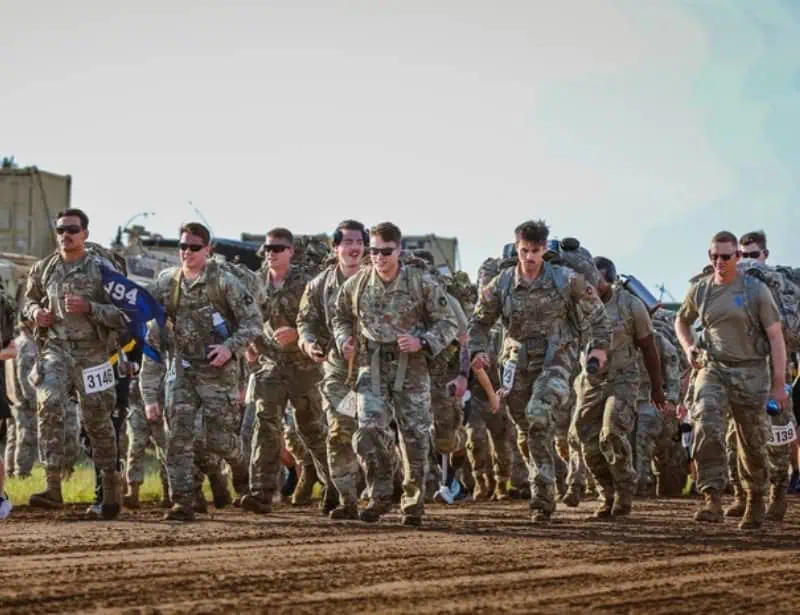
The Bataan surrender shattered everything. Enemy forces captured American and Filipino troops after months of fierce resistance. What followed tested human limits in ways few can imagine. Prisoners endured a brutal 65-mile forced march to prison camps. The death toll ranged from 5,000 to 18,000 people.
Survivors got almost no food or water. Beatings occurred with rifle butts, sabers, and clubs. James Bollich, a survivor, described the experience: "They took our wallets; anybody who had a ring, they took those; took our dog tags. Then they began to beat us. They beat us with rifle butts, sabers, clubs, anything they could get their hands on."
This devastating defeat birthed something unexpected; the prisoners' will to survive against impossible odds inspired a nation. Their resilience shifted April 9th from a day of surrender into a beacon of human endurance. Sometimes the greatest victories emerge from apparent defeats—military history shows us this.
The march became known as the Bataan Death March. Yet from this darkness came light that continues to shape American values today.
From Tragedy to Congressional Recognition
Congress established National Former Prisoner of War Recognition Day through Public Law 100-269 on March 28, 1988. The legislation emerged from Senate Joint Resolution 253 with broad bipartisan support.
Beyond this, lawmakers changed historical tragedy into national remembrance. The law requires annual presidential proclamations honoring former POWs.
President Ronald Reagan issued the first proclamation on April 1, 1988, stating: "It is truly fitting that America observe April 9 in recognition of our former prisoners of war; that date is the 46th anniversary of the day in 1942 when U.S. forces holding out on the Bataan Peninsula in the Philippines were captured."
This created an official framework for honoring these veterans. The recognition goes past a single day to encompass ongoing support and remembrance.
How Communities Honor Former POWs
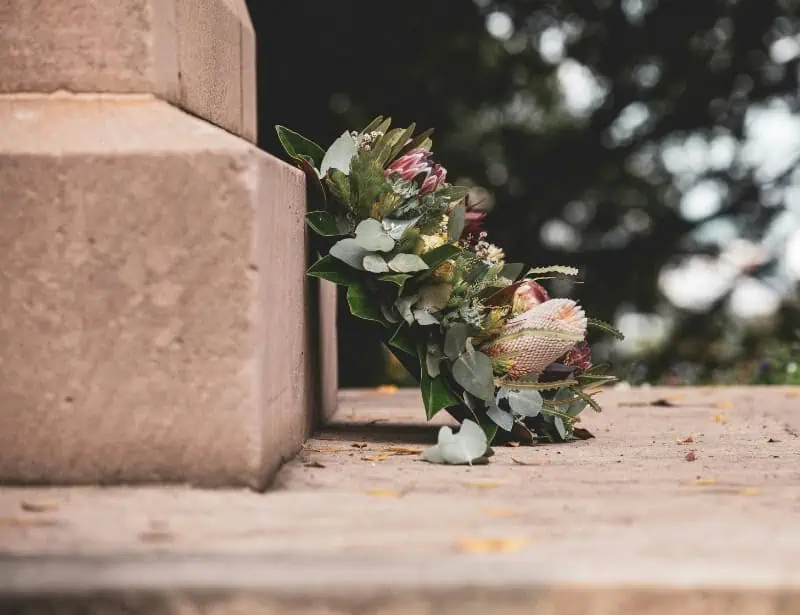
Communities across America observe this day through practical activities. Civilian participation strengthens these observances through attendance and support. Educational programs help younger generations understand the true cost of military service. Here's how to participate:
- Flag ceremonies display POW/MIA flags alongside American flags at government buildings and community centers.
- Memorial services happen at veterans halls, military installations, and civic centers.
- Educational programs organize school presentations featuring local POW veterans or historical documentaries.
- Veteran recognition events honor local former prisoners through community breakfasts or award ceremonies.
- Visit museum exhibits that create temporary displays showcasing POW artifacts and personal stories.
- Fundraising activities support organizations that assist former prisoners and their families.
- Oral history projects record veteran testimonies for future generations.
- Community bell tolling rings bells at specific times to mark moments of remembrance.
Past One Day - The Lasting Impact
This recognition day serves different purposes than annual remembrance. According to Department of Veterans Affairs administrative data, approximately 22,641 former prisoners of war remain alive in the United States today.
More than 90 percent of currently living former POWs were captured during World War II operations. Former prisoners face serious health challenges.
VA studies reveal that World War II former POWs were 4 to 5 times more likely to develop service-connected disabilities than other military personnel from the same conflict. Their stories preserve history for future generations.
Around 15,367 former prisoners of war currently receive disability compensation for service-connected conditions according to the Former Prisoners of War Benefits Act of 1981{9}.
Educational awareness reaches past veterans themselves. Americans learn about the true cost of military service through these stories; national gratitude moves from an abstract concept into personal understanding.
Since World War I, more than 142,000 Americans have been captured and interned as prisoners of war{8}. Their legacy demands continued recognition.
Taking Action in Your Community
Change awareness into actionable community engagement throughout the year. Organize educational outreach programs at local schools featuring veteran speakers, and support veterans organizations that assist former prisoners and their families.
Connect with your area's American Legion or VFW chapters. These groups often coordinate POW recognition activities and need volunteer support. Memorial activities require community participation to achieve their full significance.
Local engagement honors former POWs past April 9th. Educational initiatives preserve their legacy for generations not yet born.
Civic participation demonstrates that their sacrifices continue to matter in American communities today.
Honor other nation defenders by joining Purple Heart Day and Medal of Honor Day.
Resources:
FAQs (Frequently Asked Questions)
The VA runs special programs for former POWs. These veterans face lasting effects from captivity - both physical and mental issues that persist for decades. Beyond this, the Department of Veterans Affairs website lists specific benefits, though details vary by individual circumstances. In practice, families get the clearest answers by contacting VA directly or working with veterans service groups who know these programs inside out.
Both flags fly at the same height on April 9th - that's the important rule for government buildings and military bases. The American flag goes on the right when you're looking at them. The POW/MIA flag sits to its left. During ceremonies, both flags rise together to full staff. They come down together when the ceremony ends. This black and white flag measures 3x5 feet and shows a guard tower silhouette with barbed wire. Military honor guards handle both flags using the same folding techniques they use for the American flag.
The VA publishes teacher guides that cover Former POW Recognition Day along with other veteran observances. The National League of POW/MIA Families creates classroom materials designed for different grade levels. And Honor Flight Chicago offers recorded veteran interviews - these give students direct access to firsthand accounts from those who experienced captivity. This approach connects students to real stories rather than just historical facts.
Veterans groups like VFW, American Legion, and Disabled American Veterans need volunteers year-round. This work includes driving veterans to medical appointments and helping with home maintenance. The Veterans History Project actively seeks people to record oral history interviews with former POWs. Since these veterans are aging, their stories risk being lost. Local VA medical centers also need volunteers for recreational programs and special events. Beyond direct service, supporting military family organizations and POW descendant scholarship funds creates lasting impact that extends well past single-day recognition.
The day specifically honors the April 9, 1942 surrender at Bataan and the Death March that followed. It doesn't mark other distinct historical POW events. Wikipedia notes the observance honors all former POWs but points out it's "most associated with those who were POWs of Imperial Japan during WWII." This suggests the day serves as broader recognition of all former prisoners of war rather than commemorating multiple separate events.
Barbara is a former journalist who is passionate about translating important causes into engaging narratives. She combines communication expertise with an environmental science background to create accessible, fact-driven content.
