
La Chandeleur/Candlemas: France's Golden Crêpe Tradition

French families believe flipping a crêpe while holding a coin brings year-long prosperity. This February 2nd ritual mixes ancient Roman light festivals with Christian Candlemas into France's most beloved culinary celebration. La Chandeleur honors the Presentation of Jesus at the Temple exactly 40 days after Christmas.
This celebration crosses different beliefs and French diaspora communities worldwide. Religious tradition meets cooking custom. The name comes from "chandelle," meaning candle. Light symbolism connects both sacred and seasonal meanings.
And beyond this religious foundation, the celebration endures through accessible food traditions that need no specialized knowledge.
Key Info: La Chandeleur
- When is La Chandeleur?
Occurs annually on the 2nd of February - This Year (2026):
Monday, February 2, 2026 (date has passed) -
Future Dates
- Tuesday, February 2, 2027
- Wednesday, February 2, 2028
- Friday, February 2, 2029
- Saturday, February 2, 2030
-
Additional Details
- Observed By: French families and French cultural communities worldwide
- Where Is It Observed: France and French communities internationally
- Primary Theme: Light, Renewal, and Agricultural Prosperity
- Hashtags: #LaChandeleur #Chandeleur #Crepes #FrenchTradition #Candlemas #FrenchCulture #February2
Quick Links: La Chandeleur
Origins and Historical Foundation
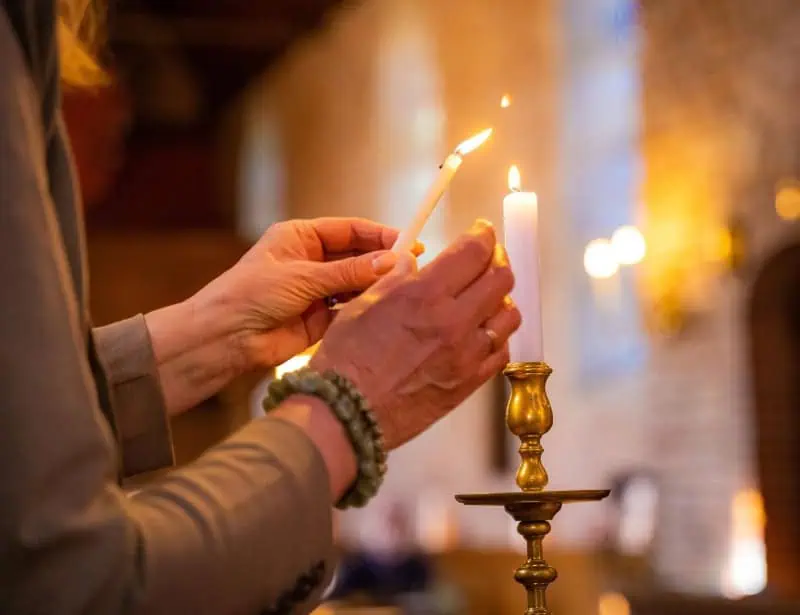
Roman Lupercalia festivals honored approaching spring with candle lighting rituals centuries before Christianity arrived. Early Christians transformed these practices around the Presentation feast.
Jewish purification law required temple presentation 40 days after birth; this timing positioned La Chandeleur at winter's agricultural midpoint.
Medieval France shaped modern crêpe traditions. Popular attribution credits Pope Gelasius I with establishing crêpe customs for pilgrims, though scholarly research by Green examining fifth-century sources questions this direct connection.
Ancient Romans lit candles to drive away evil spirits during dark winter months. Christian traditions absorbed this practice into Candlemas observance naturally.
Agricultural calendars influenced celebration timing across farming communities. Medieval farmers connected golden crêpes to sun worship and harvest blessing. The "chandelle" etymology reflects central light symbolism throughout both pagan and Christian observance.
Church-blessed candles carried protective meanings home—families extended sacred ceremony through domestic lighting rituals.
Symbolism Behind La Chandeleur Traditions
Why do crêpes hold such spiritual meaning in French culture? Round golden shapes mirror ancient sun wheels representing returning light after winter's darkness.
Recipes use wheat flour from stored harvests. Families consume winter provisions before spring planting begins.
The coin ritual carries deep prosperity meaning rooted in medieval agricultural practices. Flipping crêpes while holding money promises financial blessing for the coming year. Left hand grips the coin. Right hand works the pan.
Candle processions honor Christ as the world's light during the Presentation feast observance. Blessed candles provide spiritual protection through the remaining winter months. Home lighting extends church ceremony into domestic space.
Each flame represents hope defeating darkness through community celebration.
How to Celebrate La Chandeleur

| Method | Description | Significance |
|---|---|---|
| Crêpe Making | Prepare batches using flour, eggs, and milk for a dinner gathering | Sun symbolism, family tradition, wheat blessing |
| Coin Flip Ritual | Hold a coin in the left hand while flipping a crêpe with the right hand | Prosperity for the coming year if successful |
| Candle Blessing | Attend Mass for candle blessing or light candles at home | Honor Presentation feast, light symbolism |
| Family Meal | Gather for sweet and savory crêpe dinner | Community, shared tradition, winter provisions |
February 2nd starts with a morning church attendance, allowing candle blessing participation for religious observers.
Evening family gatherings center around making crêpes together; multiple generations often participate, passing techniques between family members.
Sweet and savory crêpes accommodate different preferences. Fillings include sugar, jam, cheese, or ham. But modern versions welcome creative ingredients while maintaining golden circular shapes. Restaurant specials appear annually across France. Home celebrations remain most authentic to historical practice.
Modern Observance and Regional Variations
Today, approximately 75% of French households observe through crêpe making, with secular emphasis dominating religious participation. This celebration crosses individual belief backgrounds easily.
Brittany maintains stronger observance than urban Paris regions. French diaspora communities organize cultural center events worldwide, replacing individual family celebrations abroad. According to CBC News reporting on Acadian traditions, La Chandeleur became central to winter social life during harsh Maritime Canadian winters, particularly during the Great Depression era.
Modern versions include organized crêpe parties among younger generations.
In practice, this connects to broader cultural evolution occurring gradually over fifty years. Religious focus shifted toward cultural-culinary emphasis without losing meaning. Modern France embraces accessible tradition requiring no religious participation.
Families bond over food prep and keep culture alive across generations.
La Chandeleur endures through accessible food traditions blending religious heritage with cultural practice. The celebration crosses geographic boundaries naturally.
February 2nd offers annual renewal opportunities for families worldwide.
The coin flip ritual during crêpe making connects you to centuries of French tradition. Local French cultural center celebrations provide community connection, or simply gather family for dinner preparation.
Prepare other French favorites by also joining National Crème Brûlée Day and National Cream Puff Day.
Resources:
FAQs (Frequently Asked Questions)
Don't worry about dropped crêpes. French families treat failures as part of learning, not bad omens. The ritual focuses on trying, not perfect flips. Kids often drop several before getting it right. This connects to building coordination more than luck. Many families make extra batter expecting mishaps during practice.
Both fall on February 2nd but take different paths. La Chandeleur brings families into kitchens making crêpes and lighting candles from Christian roots. Groundhog Day has people watching for shadows from Germanic weather folklore. French tradition means active cooking. American tradition means passive watching. Both connect to old beliefs about winter's end, just expressed differently.
The timing comes from Old Testament purification laws in Leviticus 12. Women needed ritual purification 40 days after giving birth. The Gospel of Luke shows this applied to Jesus's temple presentation. This marks the end of Christmas season and honors that religious requirement. February 2nd became the fixed date across Christian calendars.
Yes, crêpe recipes adapt easily while keeping core symbolism intact. Plant milk replaces dairy, egg substitutes work fine, gluten-free flour handles celiac needs. The essentials stay the same - round golden circles representing sun, family cooking together, February 2nd timing. French community centers often share adapted recipes for inclusive celebrations.
The crêpe must land back in the pan without breaking while you keep holding the coin. It should flip completely so the cooked side goes from bottom to top. Wait until the bottom sets properly before trying - usually 2-3 minutes depending on heat. Many families practice the flip motion without coins first, then add the prosperity ritual once basic technique clicks.
Barbara is a former journalist who is passionate about translating important causes into engaging narratives. She combines communication expertise with an environmental science background to create accessible, fact-driven content.
