International Delegate's Day: Global Cooperation In Action

International Delegate's Day happens every April 25 to honor diplomatic representatives worldwide. The UN General Assembly created this observance through Resolution 73/286 back in 2019. Why April 25? That date marks when the 1945 San Francisco Conference opened, where fifty nations actually drafted the UN Charter.
This day recognizes the people doing multilateral diplomacy work. Delegate representatives shape cooperation through daily negotiations, treaty talks, and crisis response. Their work tackles problems that cross borders, such as climate issues, peace talks, and humanitarian crises.
The observance links those founding achievements with current diplomatic needs; modern delegates build on what that historic 1945 gathering created.
Key Info: International Delegate's Day
- When is International Delegate's Day?
Occurs annually on the 25th of April - This Year (2026):
Saturday, April 25, 2026 (date has passed) - Official Website: United Nations International Days
-
Future Dates
- Sunday, April 25, 2027
- Tuesday, April 25, 2028
- Wednesday, April 25, 2029
- Thursday, April 25, 2030
-
Additional Details
- Observed By: UN Member States, diplomatic missions, international organizations, and UN system representatives
- Where Is It Observed: International
- Primary Theme: International Diplomacy and Cooperation
- Hashtags: #InternationalDelegatesDay #UNDelegates #MultilateralDiplomacy #UnitedNations #GlobalDiplomacy
Quick Links: International Delegate's Day
Historical Foundation and Contemporary Purpose
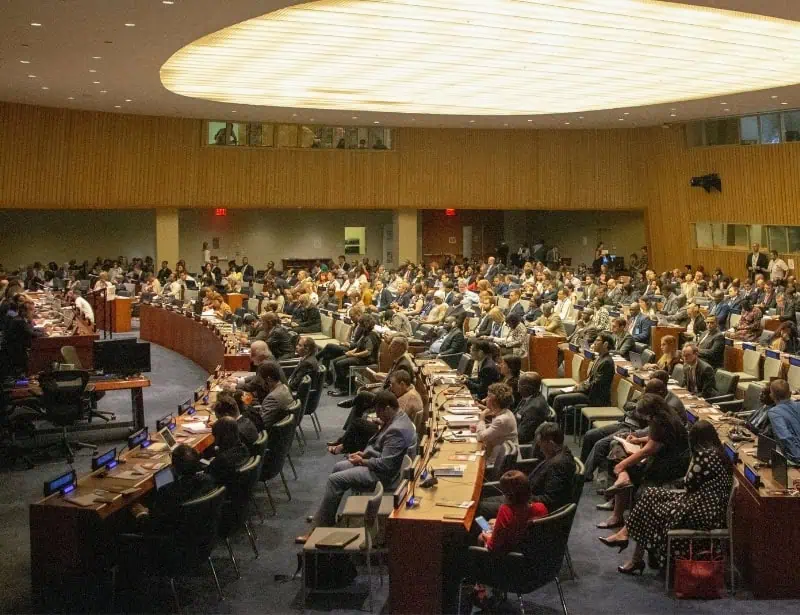
The UN General Assembly adopted Resolution 73/286 without opposition in 2019. This reflected global recognition of what diplomats contribute to the world. The resolution aims to raise awareness of delegates' roles in fulfilling UN mandates across member states.
San Francisco Conference delegates worked through committee structures, examining different Charter aspects—over 850 representatives from fifty countries participated. The Conference created systems still guiding international relations today.
The first official observance occurred April 25, 2020—marking the seventy-fifth anniversary of the San Francisco Conference.
Timeline:
UN General Assembly adopts Resolution 73/286 establishing International Delegate's Day
San Francisco Conference opens April 25; delegates from 50 nations begin drafting UN Charter
UN Charter signed June 26, establishing structure for multilateral diplomacy
Today's delegate work faces evolving challenges, though. The 2024 Multilateralism Index shows participation in multilateral institutions remains steady, yet performance outcomes have deteriorated across multiple domains. Such data point to movement from cooperation toward contestation within existing structures.
Official Observance and Global Participation
UN Headquarters in New York and Geneva serve as primary observance locations. Member states, observers, and diplomatic communities participate through recognition ceremonies and awareness activities.
Events honor both historical milestones and contemporary contributions to cooperation.
Regional organizations demonstrate successful delegate outcomes. ASEAN's Local Currency Transaction Framework and multilateral power trade agreements show concrete results from sustained international talks. The European Union's Green Deal diplomacy integrates climate considerations into all aspects of foreign policy.
Observer states and international organizations contribute unique perspectives. Their participation demonstrates broad support for multilateral approaches to global challenges.
And it works. Such an inclusive approach reflects the UN's founding principle of bringing diverse voices together.
Annual Themes and Recognition Methods
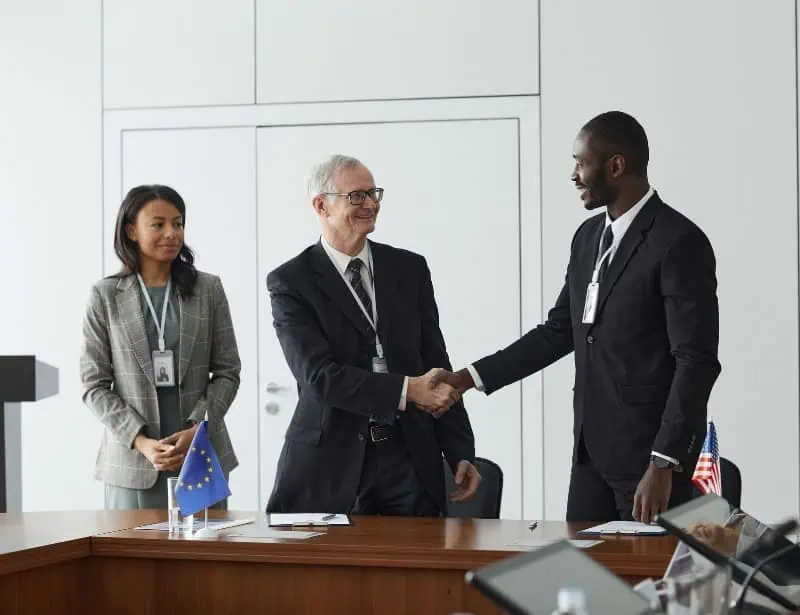
Annual themes highlight different aspects of delegate work and milestone anniversaries. Recent focus areas include delegate recognition and commemorations of cooperation milestones. Educational institutions and civil society organizations use these themes to guide their observance activities.
Organizations can recognize International Delegate's Day through specific methods:
- Host educational seminars connecting diplomatic history with current challenges
- Partner with universities for student diplomat simulation exercises
- Create awareness campaigns highlighting local diplomatic contributions
- Organize cultural exchanges showcasing cooperation outcomes
- Develop social media content featuring delegate milestones
- Collaborate with museums on diplomatic history exhibitions
- Support research documenting contemporary diplomatic innovations
Significance for Modern Diplomacy
International Delegate's Day strengthens recognition for delegate work often invisible to public view. Recognition supports multilateral effectiveness by highlighting individual contributions to collective progress.
Since 2019, supporting diplomatic awareness initiatives has sustained international cooperation. Citizens who understand diplomatic value provide stronger backing for international engagement.
Such backing proves essential as global challenges demand coordinated responses that only effective multilateral diplomacy can deliver.
For related events, also observe the International Day of UN Peacekeepers and International Human Solidarity Day,
Resources:
FAQs (Frequently Asked Questions)
The UN's push toward digital tools has changed how delegates work, but research focuses on organizational changes, not specific delegate impacts. UNDP's Digital Strategy shows one clear effect: virtual participation. During COVID-19, delegates joined sessions remotely when travel wasn't possible. This suggests a shift toward more flexible engagement. Beyond this, delegates now use digital platforms for rapid information exchange and coordination before formal meetings. The full picture of how digital tools reshape daily delegate work remains somewhat unclear – most available research stops at broad institutional changes rather than individual working methods.
The path to becoming a UN delegate starts with education in fields like international relations, political science, or law. Youth delegates (under 30) need strong advocacy experience and excellent English skills, according to both UN and EU guidelines. The selection process varies by country. Since 2018, most aspiring delegates work through their Ministry of Foreign Affairs, National Youth Council, or local UN Associations. This creates different entry points – some apply to existing programs while others must push for new delegate initiatives. For career diplomats, the journey typically involves foreign service exams and years of diplomatic work before receiving a UN appointment. Many successful delegates combine formal credentials with practical experience in their specialty areas.
Tracking specific delegate-led initiative results presents challenges – the research doesn't offer many concrete numbers. UN General Assembly resolution 73/286 recognizes delegates' work in peace, human rights, and cooperation, but without detailed metrics. Some regional successes exist. In 2021, delegate negotiations helped secure $4.3 billion in humanitarian assistance for Syria. And Eastern European delegates pushed climate adaptation funding up 12% from previous commitments. This points to influence in crisis response and funding allocation. The general lack of public impact data makes comprehensive assessment difficult, though behind-the-scenes diplomatic progress often exceeds what appears in reports.
Hard numbers on UN delegate diversity aren't readily available, a gap that itself suggests room for improvement. The EU Youth Delegates programme shows practical progress toward better representation. Now in its fourth year, it focuses on gender balance and regional diversity when selecting participants. European External Action Service guidelines specifically prioritize previously underrepresented voices. The National Model UN simulations engage 132 Member States, showing broad global interest. Today's initiatives focus more on youth inclusion and gender parity than in previous decades. Since 2020, several countries have implemented quotas or targets for women in diplomatic roles, though implementation varies widely between regions.
Delegates shift between urgent crisis work and strategic planning, often juggling both simultaneously. During emergencies like natural disasters or conflicts, they participate in rapid-response sessions to coordinate immediate aid and establish ceasefires. This hands-on crisis work happens alongside their regular committee assignments focused on years-ahead planning. The dual responsibilities create practical protection – ensuring someone maintains long-term perspective even during urgent situations. When Russian forces entered Ukraine in 2022, delegates convened emergency sessions within 24 hours while maintaining scheduled committee work on climate initiatives. This balance of immediate action and future planning defines modern diplomatic work at the UN.
Barbara is a former journalist who is passionate about translating important causes into engaging narratives. She combines communication expertise with an environmental science background to create accessible, fact-driven content.