International Day of Sport for Development and Peace

The International Day of Sport for Development and Peace happens every April 6th. The UN established this day back in August 2013 through General Assembly Resolution 67/296. They picked this date because it connects to the first modern Olympic Games in Athens in 1896.
Sport crosses borders and builds connections between divided communities. This annual recognition shows sport's real capacity to advance peace, development, and social connection worldwide. Today, it especially aims to protect communities through sport's power in conflict zones and refugee camps.
Key Info: International Day of Sport for Development and Peace
- When is International Day of Sport for Development and Peace?
Occurs annually on the 6th of April - This Year (2026):
Monday, April 6, 2026 (date has passed) - Official Website: UN Sport for Development and Peace
-
Future Dates
- Tuesday, April 6, 2027
- Thursday, April 6, 2028
- Friday, April 6, 2029
- Saturday, April 6, 2030
-
Additional Details
- Observed By: UN member states, sports organizations, educational institutions, and civil society groups worldwide
- Where Is It Observed: International
- Primary Theme: Sport as a Catalyst for Peace and Development
- Hashtags: #IDSDP #SportForPeace #SportForDevelopment #WhiteCard #PeaceThroughSport
Quick Links: International Day of Sport for Development and Peace
Why This Day Creates Real Change
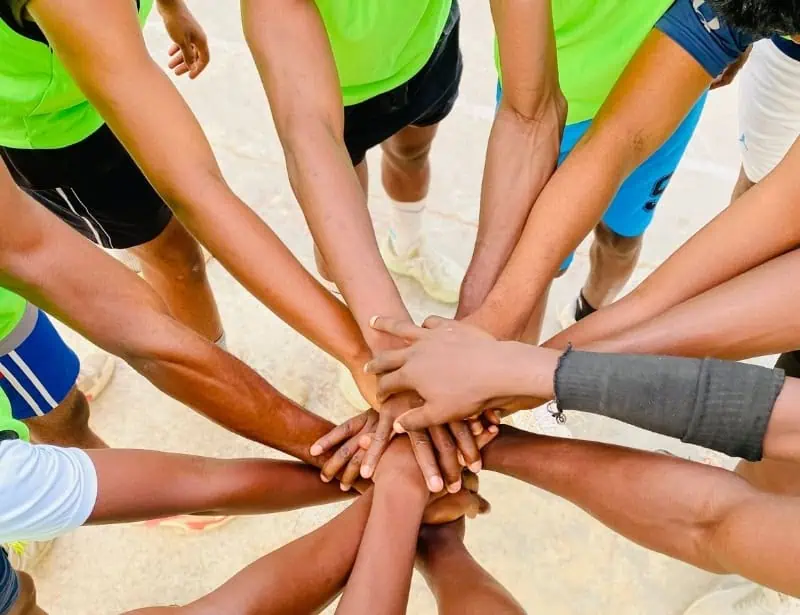
The United Nations recognized sport as a development tool that tackles multiple Global Goals at once. Athletic programs show clear community transformation where other approaches fall short.
Sport breaks barriers through play because everyone gets the language. When teams form, economic divisions matter less. Shared games and competitions ease cultural tensions. Communities recovering from conflict find healing through structured athletics.
The UN Office on Sport for Development and Peace coordinates these efforts globally. Why does sport succeed where other programs struggle? Athletic engagement builds immediate trust. And long-term community bonds.
Global Impact by the Numbers
Sport-based development programs operate across six continents with documented results. The UN Office on Drugs and Crime's "Line Up Live Up" program hit remarkable outcomes: 97% of participating youth reported learning new skills they use in daily life.
Communities in these programs demonstrate important behavioral shifts. Adults engage in sports 96 minutes more per week compared to control areas. Participation rates reach 61.3% versus 42.4% in non-program communities.
Timeline of the Movement
UN General Assembly adopts Resolution 67/296 establishing April 6th observance
First official global celebration focuses on youth development programs. IOC formally endorses the initiative
Enhanced framework integrates refugee support through sport initiatives across multiple crisis regions
Virtual adaptation during pandemic shows sport's digital peace-building potential and program resilience
"Leveling the Playing Field" theme emphasizes accessibility and inclusion for marginalized communities
How to Make Your Mark on April 6th
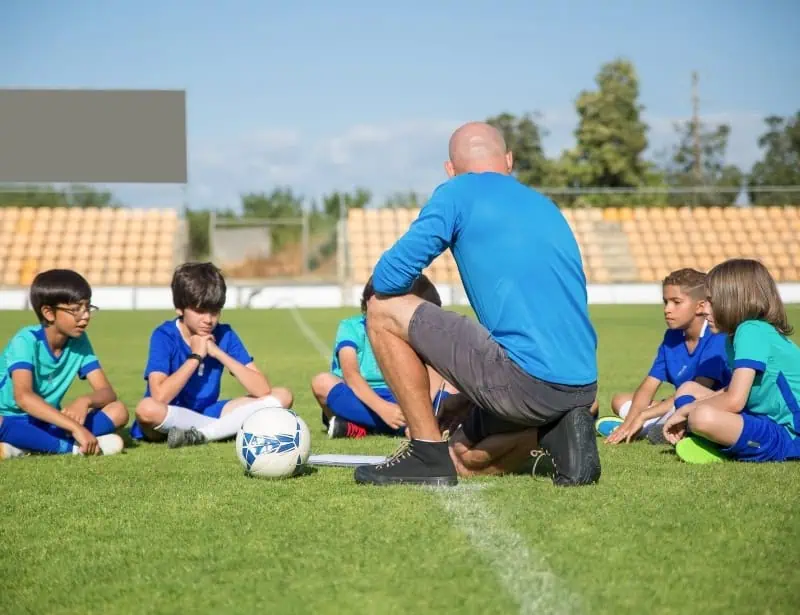
- Schools: Organize Peace Through Play tournaments that unite diverse student populations. Host inclusive clinics for varying abilities. Connect athletics to social awareness through educational workshops.
- Organizations: Launch employee wellness programs with community service elements. Partner with local clubs for sustainable programming. Amplify awareness through targeted digital campaigns.
- Individuals: Volunteer as coaches in underserved communities. Champion social media advocacy highlighting sport's development potential. Fundraise for equipment donations to under-resourced facilities.
- Communities: Develop intergenerational tournaments bridging age gaps. Celebrate diversity through traditional games and cultural exchange. Audit facilities for accessibility improvements.
- Local governments: Designate public spaces for community athletics while supporting grassroots efforts.
Themes That Shape the Movement
Annual themes reflect evolving global priorities while maintaining sport's peace-building core. Here are some of the themes from the last years:
| 2026 | Sport: Building Bridges, Breaking Barriers |
| 2025 | Social Inclusion and Community Engagement |
| 2024 | Sport for the Promotion of Peaceful and Inclusive Societies |
| 2023 | Scoring for People and the Planet |
| 2022 | Securing a Sustainable and Peaceful Future for All: The Contribution of Sport |
| 2021 | Recovering Better for an Equitable and Sustainable World |
| 2020 | Behind each #WhiteCard there is a story |
Your Next Play Beyond April 6th
The UN Sport for Development and Peace network provides year-round engagement beyond single-day awareness. Local UNESCO partnerships offer sustained community impact through ongoing athletic programming and volunteer coordination.
Connect with regional offices to identify existing initiatives that need support. Equipment donations. Volunteer coaches. Facility partnerships. All matter.
Help your community by also celebrating the International Day of Living Together in Peace and the World Day for Cultural Diversity for Dialogue and Development.
Resources:
FAQs (Frequently Asked Questions)
Most groups track both basic outcomes and deeper social changes. Recent Journal of Sport Development research shows a shift toward measuring real community impact rather than just participation numbers. Some experts like Endo and Fujioka have started using economic methods to see what people would pay for these programs. What truly matters in these measurements? The UN pushes for approaches that show lasting results and connect to wider development goals. This relates to their focus on practical protection of vulnerable communities while supporting general progress.
UNESCO leads the UN's sport education work and offers materials that focus on bringing people together. They shape resources around social inclusion themes and peaceful community building. The UN Department of Economic and Social Affairs runs the official events at headquarters, bringing in athletes and experts to showcase sport's potential. Beyond this, they welcome everyone from governments to local clubs to run awareness activities. Since 2014, their collaboration with member countries has created forums that demonstrate how sports advance development goals.
Local groups can connect through the Sport for Development and Peace initiative. This program offers both money and technical help, though the process for the International Day itself isn't spelled out in most documents. The Social Development toolkit gives step-by-step guides for creating sport programs that work. Organizations usually need to be registered non-profits with at least a year of operation. This suggests smaller groups might need to build credibility before seeking formal partnerships.
The Sport for Development and Peace initiative stands out as a key funding source through a partnership between Qatar Fund for Development and Qatar Charity. They direct resources toward programs that protect children, help refugees, include people with disabilities, and rebuild communities after conflicts. Groups like Right To Play show how established organizations continue finding support for their work. In practice, funding paths differ based on where you work and what your program focuses on. Today's funders look for clear connections between sports activities and measurable community benefits.
Organizations can add digital elements through livestreamed events and online training. Many groups run virtual community challenges where participants join from anywhere. Digital peace pledges create worldwide commitment networks. And some clever organizers have designed hybrid tournaments with both in-person and remote competitors. The UN provides specific guidelines for these approaches while making sure they still hit the day's main goals. One standalone format gaining popularity: mobile apps that connect sports activities to peace education.
Barbara is a former journalist who is passionate about translating important causes into engaging narratives. She combines communication expertise with an environmental science background to create accessible, fact-driven content.