International Day Of Prayer Against Human Trafficking

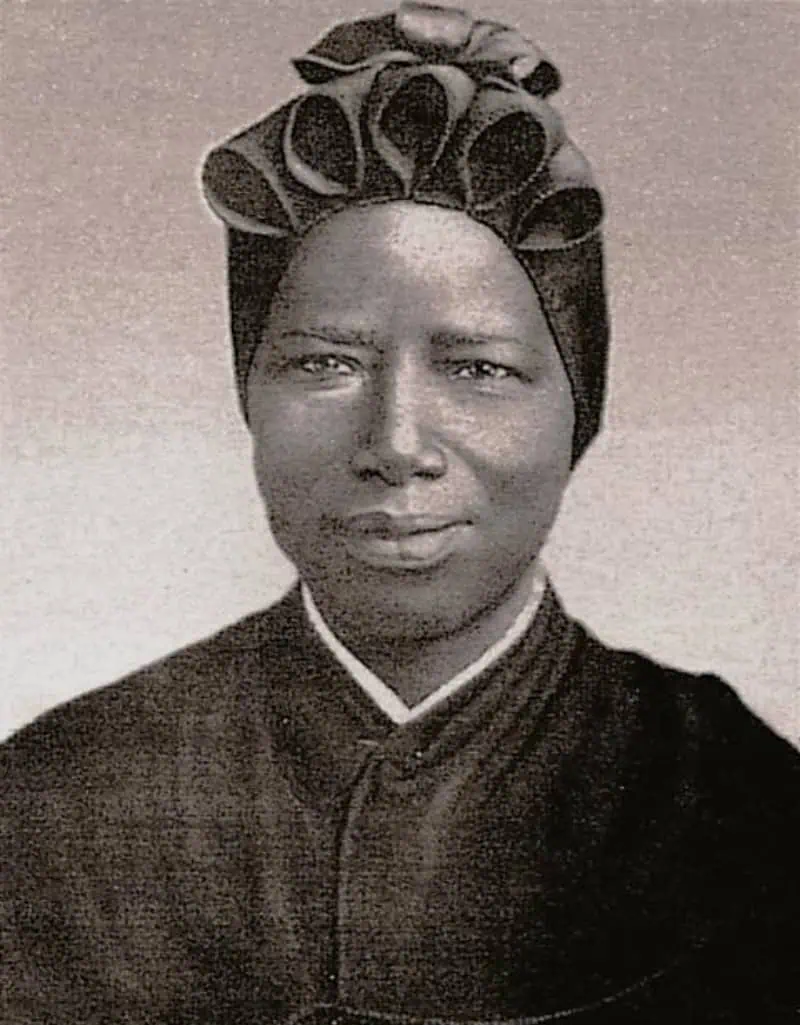
February 8 marks the International Day of Prayer and Awareness Against Human Trafficking. Pope Francis established this annual Catholic observance back in 2015. The date coincides with Saint Josephine Bakhita's feast day. She is a woman who survived childhood slavery in Sudan before becoming a religious sister.
Today, almost 50 million people endure modern slavery worldwide. Their stories echo Bakhita's trauma. All of them demand both prayer and action. This observance connects Catholic parishes globally while welcoming interfaith participation.
Saint Bakhita's transformation from trafficking survivor to saint grounds this day's healing purpose.
Key Info: International Day of Prayer and Awareness Against Human Trafficking
- When is International Day of Prayer and Awareness Against Human Trafficking?
Occurs annually on the 8th of February - This Year (2026):
Sunday, February 8, 2026 (date has passed) - Official Website: Pray Against Trafficking
-
Future Dates
- Monday, February 8, 2027
- Tuesday, February 8, 2028
- Thursday, February 8, 2029
- Friday, February 8, 2030
-
Additional Details
- Observed By: Catholic communities, religious congregations, and anti-trafficking advocates worldwide
- Where Is It Observed: International
- Primary Theme: Prayer And Action Against Human Trafficking
- Hashtags: #PrayAgainstTrafficking #TalithaKum #HumanTrafficking #SaintJosephineBakhita #EndTrafficking #PrayerAndAction
Quick Links: International Day of Prayer and Awareness Against Human Trafficking
What This Day Represents
The observance serves two clear purposes through prayer and awareness. Catholic communities approach trafficking through spiritual responses and educational ones.
Prayer provides strength for sustained advocacy work; education builds understanding of trafficking's hidden realities.
Saint Josephine Bakhita's feast day anchors this choice deliberately. Her lived experience as both survivor and saint validates the spiritual work of anti-trafficking efforts.
This Catholic observance differs from secular anti-trafficking days by emphasizing faith-based advocacy rooted in social teaching principles.
When and Why February 8
Saint Josephine Bakhita was born around 1869 in Darfur, Sudan. Kidnappers enslaved her at age seven. She endured multiple sales before reaching Italy through trafficking networks. Her freedom came through legal proceedings in Venice.
Bakhita chose religious life with the Canossian Sisters. She found healing through faith and service to others. Pope John Paul II canonized her on October 1, 2000.
The Church named her patron saint of trafficking survivors and Sudan.
Timeline
Birth of Josephine Bakhita in the Darfur region of Sudan. She would later become a Catholic religious sister and a symbol of hope for survivors of slavery and human trafficking.
Bakhita is kidnapped as a child and sold into slavery. She experiences severe abuse and is given the name Bakhita, meaning “fortunate” or “lucky.”
Bakhita comes under the care of Italian diplomatic personnel and travels to Italy, where she begins a new chapter of her life away from enslavement.
While staying with the Canossian Sisters in Venice, Bakhita learns about Christianity. In 1889, an Italian legal decision recognizes her freedom and allows her to remain in Italy.
On January 9, Bakhita receives Baptism, Confirmation, and First Communion, taking the Christian name Josephine Margaret Fortunata.
Josephine Bakhita enters the Canossian religious novitiate in 1893 and makes her first religious vows in 1896, dedicating her life to God and service to others.
Bakhita is transferred to the Canossian convent in Schio, Italy, where she serves as a cook, sacristan, nurse's assistant, and doorkeeper. She becomes affectionately known as “Madre Moretta,” or “Black Mother.”
Saint Josephine Bakhita dies in Schio, Italy.
The Catholic Church recognizes the heroic practice of Bakhita's virtues, advancing the process that leads to her beatification and canonization.
Pope John Paul II beatifies Josephine Bakhita, recognizing her extraordinary faith and Christian witness.
Pope John Paul II canonizes Josephine Bakhita as a saint. Her life becomes an enduring witness to human dignity, freedom, forgiveness, and hope for victims of slavery and trafficking.
The International Union of Superiors General (UISG) establishes Talitha Kum, an international network of consecrated persons committed to combating human trafficking and supporting survivors.
Pope Francis establishes the International Day of Prayer and Awareness Against Human Trafficking. The observance is organized around the feast of Saint Josephine Bakhita on February 8.
Talitha Kum celebrates its 15th anniversary and holds its second General Assembly, bringing together representatives from 71 countries to strengthen international collaboration, survivor protection, prevention, and advocacy against human trafficking.
The 12th edition adopts the theme “Peace Begins with Dignity: A Global Call to End Human Trafficking,” highlighting the connection between human dignity, authentic peace, and the fight against exploitation.
Who Coordinates and Participates
Talitha Kum serves as the primary coordinating network. This international religious sisters network includes over 6,000 members globally. Vatican offices provide coordination support.
Catholic parishes and dioceses participate worldwide, and interfaith communities join regularly. According to Sister Abby Avelino, Talitha Kum's International Coordinator, the network accompanied 47,000 victims and survivors in 2024 while involving over 623,000 people in prevention campaigns.
Non-Catholic participation happens through interfaith dialogue. Rome provides central coordination for global reach.
The website preghieracontrotratta.org offers resources in multiple languages.
How to Observe This Day
Individual/Family Actions
- Pray Saint Bakhita novenas leading to February 8
- Learn trafficking facts through official resources
- Support survivor services through donations
- Share awareness content on social media platforms
Parish/Community Observances
- Plan special Masses with trafficking-focused homilies
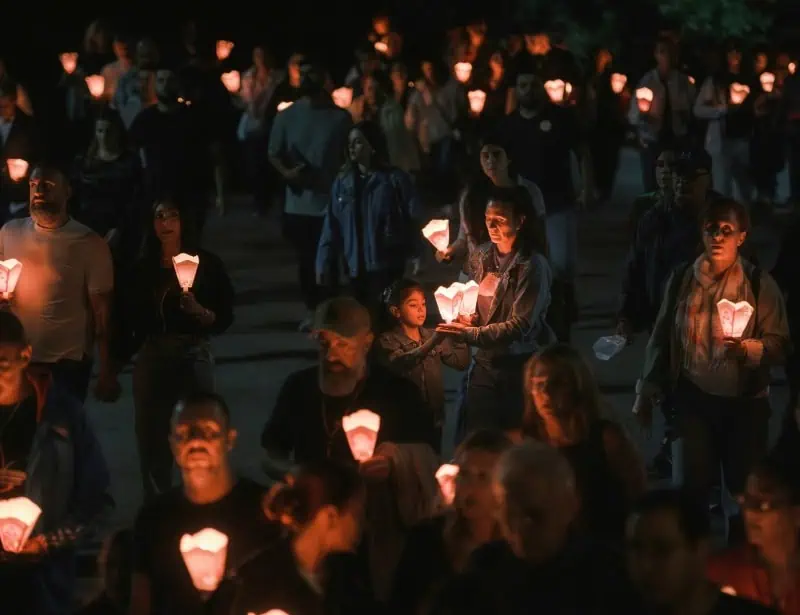
- Host prayer vigils featuring Saint Bakhita prayers
- Organize educational events about local trafficking signs
- Create bulletin inserts with awareness information
- Invite survivor speakers where appropriate
Interfaith/Ecumenical Engagement
- Join interfaith prayer services for trafficking awareness
- Participate in advocacy meetings across faith traditions
- Coordinate community awareness campaigns
- Support interfaith anti-trafficking coalitions
Online/Remote Participation
- Join live-streamed Vatican events on February 8
- Access multilingual prayer resources at prayagainsttrafficking.net
- Participate in virtual prayer gatherings across time zones
- Share coordinated awareness messages through digital platforms
Conclusion
February 8 unites global communities through prayer and action against trafficking. Saint Josephine Bakhita's witness transforms suffering into hope through faith. This day extends beyond February 8. It connects these activities with sustained anti-trafficking engagement throughout the year.
Fight for the victims of modern slavery by also observing Human Trafficking Awareness Day and International Day For The Abolition Of Slavery.
Resources:
FAQs (Frequently Asked Questions)
No single prayer is required for February 8th. The Vatican's human development office established this day. Catholic groups create their own prayers though. The U.S. Conference of Catholic Bishops develops intercessions, and most focus on Saint Josephine Bakhita—it's her feast day after all. What makes these prayers connect with people? They ask for victim liberation and clear protection of human dignity. Prayer themes include grace for officials, real compassion for survivors, and dismantling trafficking networks. Each community shapes their own response.
February 8th centers on faith and Saint Bakhita's witness story. July 30th focuses on policy work. The Catholic day combines prayer with awareness through faith communities, while the UN day emphasizes government initiatives and NGO programs. Both work together though. February 8th provides spiritual foundation. This relates directly to sustained advocacy efforts throughout the year.
Interfaith participation happens regularly. Protestant denominations and Orthodox churches join through shared services. Non-Catholics attend prayer gatherings, support survivor services, and join education events. Saint Bakhita's survival story crosses all faith lines. Her transformation from slavery to sainthood resonates with anyone. People committed to ending trafficking can participate through both spiritual and practical action.
February 8th starts the work, doesn't end it. Support organizations like Talitha Kum through donations and volunteering. Learn trafficking signs in your community—Catholic Charities and diocesan offices offer solid training programs. Advocate with local officials for survivor services. Many join parish social justice committees. Saint Bakhita's witness points to ongoing commitment. This means staying engaged with vulnerable populations year-round.
Most parishes hold special prayer services. They organize dedicated Masses with focused intercessions for trafficking victims. The U.S. Conference of Catholic Bishops provides guidance for these observances, and churches include specific prayers during regular celebrations. These services foster both awareness and spiritual support for survivors. The focus stays on dignity and liberation for those affected. And communities design observances to accompany survivors on their healing journey.
Barbara is a former journalist who is passionate about translating important causes into engaging narratives. She combines communication expertise with an environmental science background to create accessible, fact-driven content.