
International Day in Support of Victims of Torture

June 26 marks the International Day in Support of Victims of Torture worldwide. The UN established this observance in 1997 through Resolution 52/149. This date commemorates when the UN Convention Against Torture entered into force in 1987. Different from October's Torture Abolition Day, this observance focuses on survivor support and rehabilitation.
Organizations across continents push for concrete goals rather than empty gestures. Real protection happens when legal principles transform into practical safeguards.
Torture survivors need specialized rehabilitation approaches backed by solid evidence. Their recovery deserves our attention. The day amplifies their experiences without turning pain into spectacle.
Key Info: International Day in Support of Victims of Torture
- When is International Day in Support of Victims of Torture?
Occurs annually on the 26th of June - This Year (2026):
Friday, June 26, 2026 (date has passed) - Official Website: United Nations Official Observance Page
-
Future Dates
- Saturday, June 26, 2027
- Monday, June 26, 2028
- Tuesday, June 26, 2029
- Wednesday, June 26, 2030
-
Additional Details
- Observed By: UN member states, human rights organizations, rehabilitation centers, and civil society groups
- Where Is It Observed: International
- Primary Theme: Human Rights and Justice
- Hashtags: #VictimsOfTorture #EndTorture #HumanRights #TortureSurvivors #UnitedNations
Quick Links: International Day in Support of Victims of Torture
Historical Foundation and Purpose

Denmark proposed this international day back in December 1997, with backing from the International Rehabilitation Council for Torture Victims. June 26 actually serves double duty in human rights history. It marks both the 1987 enforcement of the Convention Against Torture and the 1945 signing of the UN Charter.
Resolution 52/149 laid out clear objectives beyond raising awareness. States must actively support victims, fund rehabilitation services, and enforce accountability. The resolution makes crystal clear that torture remains absolutely prohibited. No exceptions.
This connection between principle and practice matters. Former Special Rapporteur Manfred Nowak points out a harsh truth: torture predominantly targets "ordinary people suspected of criminal offenses" from disadvantaged groups.
Timeline
UN adopts Convention Against Torture
Convention enters force (June 26)
UN General Assembly establishes International Day
First official observance worldwide
UN Voluntary Fund exceeds $10 million in contributions
20th anniversary of observance
Secretary-General reaffirms "absolute prohibition under international law"
Global Impact and Observance
Since 2009, Bosnia and Herzegovina has marked June 26 as a public holiday, weaving remembrance with structural reforms. Other nations host policy discussions, survivor testimony sessions, and professional training. These approaches reflect local contexts while maintaining essential principles.
The International Rehabilitation Council coordinates nearly 100 organizations running specialized programs in dozens of countries. António Guterres, UN Secretary-General, stresses that "Victims and survivors and their families must be empowered and assisted to seek justice for their ordeal."
Torture persists in over a third of countries today. A 2023 meta-analysis covering 266 studies identified torture in 105 countries. The top three types of torture found were beating or blunt-force trauma (62.4%), electrical torture (17.2%), and starvation or dehydration (12.7%).
Key Themes and Annual Focus
The day centers on four connected themes: survivor advocacy, prevention awareness, accountability mechanisms, and rehabilitation support. This framework creates practical paths for action beyond symbolic gestures.
Narrative Exposure Therapy shows remarkable results for survivors, as it is designed for patients with multiple traumas. Other effective psychotherapies also include Cognitive Behavioral Therapy and Eye Movement Desensitization and Reprocessing. This suggests targeted approaches work best.
Individual stories matter most. Therapy helps survivors reclaim their sense of self beyond trauma. Facts and figures only tell part of the story.
"For more than forty years, grantees of the Voluntary Fund have been supporting strategic litigation as a tool to fight impunity," notes Vladimir Jovic, Chair of the UN Voluntary Fund for Victims of Torture.
This joins individual healing with broader justice efforts. The 2020 Global Standards on Rehabilitation provide the first internationally agreed best-practice framework for rehabilitating torture survivors.
Participation Methods
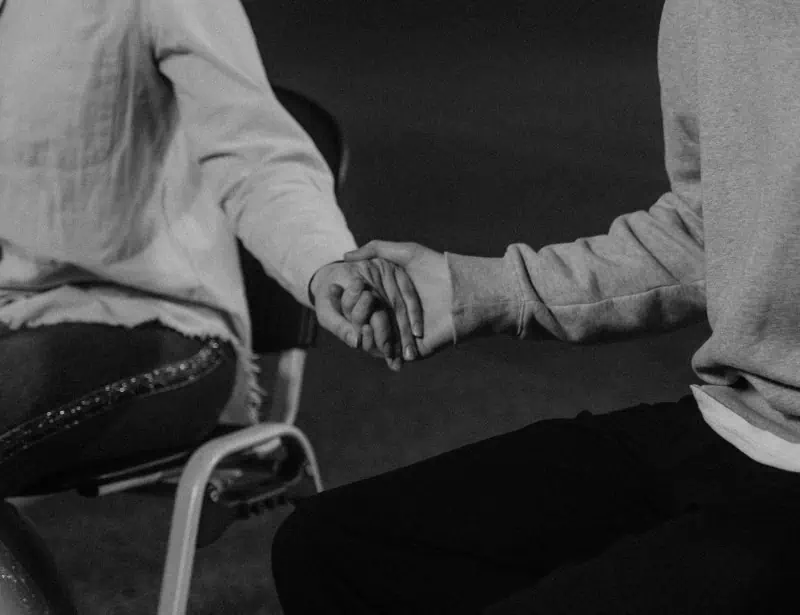
- Digital Advocacy - Share facts about torture prohibition using #SupportTortureSurvivors. Amplify content from rehabilitation organizations instead of creating generic awareness posts.
- Educational Events - Screen documentaries featuring survivor experiences followed by expert talks. Partner with local universities to explore how torture affects entire communities and what builds resilience.
- Support Rehabilitation Centers - Give to organizations providing direct services, such as the Center for Victims of Torture and the World Organisation Against Torture.
- Advocacy Campaigns - Contact lawmakers about prevention legislation and rehabilitation funding. Suzanne Jabbour, who chairs the UN Subcommittee on Prevention of Torture, emphasizes that "States must ensure all detainees have medical examinations immediately after arrest."
- Community Awareness - Host exhibitions highlighting rehabilitation success stories. Arts-based events give survivors platforms for expression beyond statistics.
Conclusion and Resources
The International Day in Support of Victims of Torture creates vital visibility while pushing prevention forward. This observance links individual rehabilitation needs with system-wide change. Torture's absolute prohibition requires constant vigilance.
For more information and year-round support, check the UN Human Rights Office (ohchr.org), International Rehabilitation Council for Torture Victims (irct.org), and Center for Victims of Torture (cvt.org). These organizations provide evidence-backed approaches while maintaining survivor dignity. Every action supporting this day contributes to both prevention and gen progress.
Today, torture continues in secret cells and public institutions alike. This practice demands our practical protection efforts, not just our sympathy. The work continues.
Fight for human rights by also joining World Freedom Day and International Day For The Abolition Of Slavery.
Resources:
FAQs (Frequently Asked Questions)
Rehab programs work best when they tackle everything at once - legal help, medical care, mental health support, and social needs. The University of Connecticut found this in their 2024 national study. Success? You see it when PTSD symptoms drop, when depression and anxiety ease up, and when quality of life scores climb. Carlsson's research backs this up. The programs aren't perfect, but when done right, survivors get their lives back.
Technology cuts both ways in torture situations. Pérez-Sales points out in his research that tech can be used to harm, but civil society groups are turning it around to help instead. Today, the most practical protection comes from recording interrogations and putting cameras in detention facilities. The Association for Prevention of Torture has the data on this. Beyond this, tech helps gather evidence so survivors can seek justice later. Not all tech solutions work everywhere, though.
Rehab approaches don't look the same worldwide. Politics, money, and local needs shape everything. The International Rehabilitation Council tracks three main systems: government-run programs, NGO operations, and mixed models. Since 2020, regions with stronger public health systems tend to integrate torture rehab better. This relates to what the OSCE found - there's no one-size-fits-all solution. Some areas struggle with poverty on top of everything else, making standard approaches impossible.
The UN Voluntary Fund is short $7 million for 2025. What does that mean? 71 organizations can't help over 54,000 survivors and their families. In Syria, it's even worse. Amnesty International watched as Ta'afi, a survivor-led group, lost 60% of their funding right when more detainees were being released. When the money dries up, mental health services get cut first, then medical care. The timing couldn't be worse.
Prison overcrowding tops the list. The UN Subcommittee on Prevention found that harsh drug policies pack facilities beyond capacity, making everything worse - from healthcare to basic living conditions. Climate change and pandemics add new pressure to already failing systems. And many countries still haven't set up independent monitoring - a basic protection the UN Special Rapporteur keeps pushing for. Progress happens, but too slowly for those inside.
Barbara is a former journalist who is passionate about translating important causes into engaging narratives. She combines communication expertise with an environmental science background to create accessible, fact-driven content.