
International Day For The Abolition Of Slavery

December 2nd marks the International Day for the Abolition of Slavery. The United Nations created this observance to tackle modern slavery, which is unfortunately affecting 50 million people today. This isn't about historical remembrance. The focus stays on contemporary trafficking and exploitation through direct action.
Key Info: International Day for the Abolition of Slavery
- When is International Day for the Abolition of Slavery?
Occurs annually on the 2nd of December - This Year (2026):
Wednesday, December 2, 2026 - Official Website: UN Slavery Abolition Day
-
Future Dates
- Thursday, December 2, 2027
- Saturday, December 2, 2028
- Sunday, December 2, 2029
-
Additional Details
- Observed By: UN member states, human rights organizations, civil society groups, and advocacy organizations globally
- Where Is It Observed: International
- Primary Theme: Modern Slavery Eradication and Human Trafficking Prevention
- Hashtags: #AbolitionOfSlavery #EndModernSlavery #HumanTrafficking #UN #HumanRights #FreedomDay #EndSlavery
Quick Links: International Day for the Abolition of Slavery
Why December 2nd Targets Contemporary Slavery Crisis
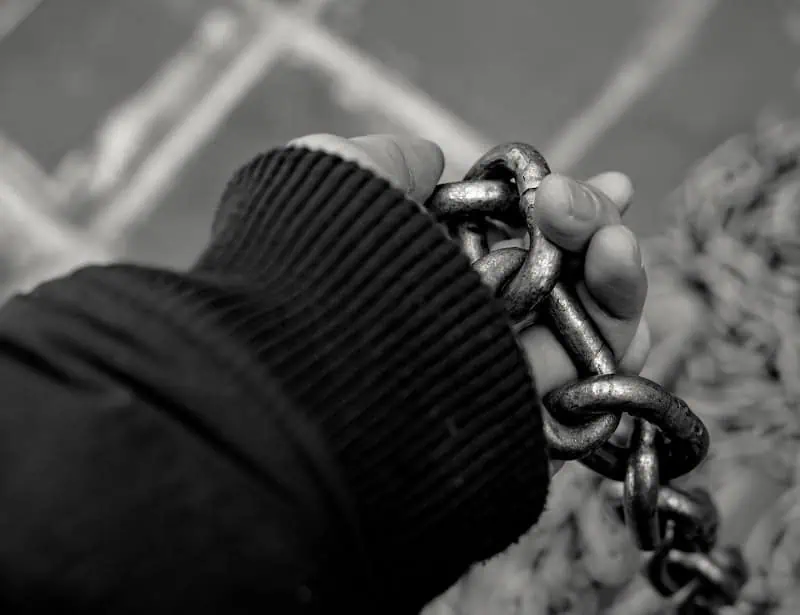
December 2, 1949, brought the Convention for the Suppression of the Traffic in Persons and of the Exploitation of the Prostitution of Others. This document targeted prostitution only. In 1986, the United Nations picked the same day and expanded the scope to establish the International Day For The Abolition of Slavery.
Today, modern slavery continues to rise in almost every country across all genders, ages, economic status, ethnicities, and religions. International Labour Organization's 2021 Global Estimates declared that it traps 49.6 million people. December 2 demands immediate action to end this.
Forms of Modern Slavery This Day Addresses
Modern slavery persists in many forms, depriving people of their freedom, dignity, and fundamental rights. It includes forced labor, human trafficking, forced marriage, child labor, debt bondage, and many more.
| Forced labour | People are forced to work through threats, coercion, deception, or abuse of vulnerability. | 27.6 million people in 2021. Breakdown:17.3 million in the private sector; 6.3 million in forced commercial sexual exploitation; and 3.9 million in forced labor imposed by State. (ILO) |
| Human trafficking | People are recruited, transported, or controlled for exploitation, including forced labor and sexual exploitation. | 202,478 detected victims from 2020 to 2023. (UNODC) |
| Forced marriage | People are married without their free and full consent, often under pressure, threats, or coercion. | 22 million people in 2021, of whom 2 out of 5 were children. (ILO) |
| Child labour | Children face slavery, trafficking, forced labor, sexual exploitation, forced recruitment into armed conflict, or hazardous work. | 138 million children in 2024, including 54 million doing hazardous work. (ILO and UNICEF) |
Traditional slavery-like practices also persist, often reinforced by discrimination, inherited status, and social inequality. Together, these abuses reveal how modern slavery adapts to economic pressures and entrenched power imbalances.
Practical Ways to Observe December 2nd and Drive Real Change
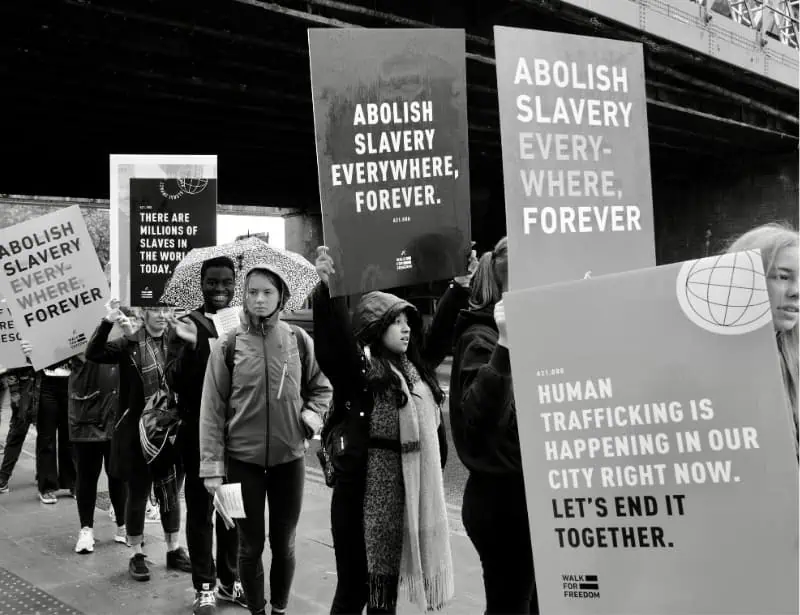
- Use campaign materials through official resources designed for maximum community impact. If you're a journalist, ILO has a toolkit for reporting on forced labor.
- Start awareness campaigns using official hashtags during peak December 2nd attention periods.
- Set up educational programs in schools and workplaces focusing on recognition and prevention strategies.
- Contact representatives about supply chain transparency legislation and stronger anti-trafficking enforcement.
- Bring together local organizations, survivors, and advocacy groups for lasting change beyond single-day observance.
- Support survivor organizations through funding, volunteer work, and platform sharing that centers survivor voices. Share stories from this ILO's playlist.
- Learn to shop smart by checking supply chains for risks of forced labor. For clothes, check out these fashion certifications.
Distinguishing This Day from Historical Slavery Commemorations
International Day for Remembrance of Slave Trade happens August 23rd. That day focuses on historical systems and legacy education. December 2nd targets the current crisis requiring immediate action.
The timing reflects strategic UN planning, separating remembrance from active crisis response. Historical observances serve educational purposes about past injustices. Modern slavery awareness demands policy changes and direct intervention now.
Global Mobilization Beyond One Day
The numbers keep growing. That's the uncomfortable reality this day forces us to confront. It also reminds us that ending modern slavery begins with everyday choices.
Research brands before buying, share verified UN and ILO resources, or support organizations helping survivors rebuild their lives. When people turn awareness into action, exploitation becomes harder to ignore.
Every informed choice brings us closer to a world where freedom and dignity prevail.
Fight for the cause by also observing Human Trafficking Awareness Day and World Day Against Child Labor.
Resources:
FAQs (Frequently Asked Questions)
The UN Office of the High Commissioner for Human Rights runs the UN Voluntary Trust Fund on Contemporary Forms of Slavery. Organizations can tap into this for resources and background information. Beyond this, the OHCHR works with UN agencies each December to publish statements that help Member States and civil society groups plan their observance activities. The annual focus centers on modern slavery forms - human trafficking, forced labor, child exploitation. These materials point to specific actions rather than general awareness.
Three areas show real impact. First, track your reach - social media engagement, education program numbers, media coverage during December 2nd period. Second, monitor policy wins like legislative contacts, supply chain audits started, corporate policy changes after your activities. Most important though? Direct intervention results. Survivor support program growth indicates progress. Anti-trafficking hotline usage spikes matter. Funding raised for intervention groups creates lasting change. The UN suggests comparing community awareness levels before and after each December observance.
August 23rd builds historical awareness. December 2nd drives current action. Smart organizations use August for education and coalition-building, then channel that energy into December policy advocacy and direct interventions. The UN coordinates messaging calendars to prevent overlap while maximizing combined impact. This approach works because August creates the foundation. December delivers the punch.
Survivor leadership makes December 2nd observance authentic. Real activities center survivor experiences through speaking roles, policy consultation, and program input - not token representation. The UN pushes survivor-informed approaches that provide fair compensation, trauma-aware environments, and support beyond single events. Include survivor-led organizations in planning committees. Let survivors control their story sharing. Create platforms where survivors advocate for policy changes based on what they've lived through.
December 2nd commitments need year-round structures to survive. Set up monthly community meetings with specific anti-trafficking goals. Partner with survivor support organizations ongoing, not just in December. Build supply chain monitoring that runs continuously. Create local coalitions that meet quarterly to check progress on December promises. Keep regular contact with elected reps about anti-trafficking laws. And develop mentorship programs connecting community members with survivor organizations throughout the year.
Barbara is a former journalist who is passionate about translating important causes into engaging narratives. She combines communication expertise with an environmental science background to create accessible, fact-driven content.
