International Day Against Nuclear Tests: No More Nukes
On August 29, the world observes the International Day against Nuclear Tests, commemorating the closure of the Semipalatinsk Nuclear Test site in Kazakhstan. Established by the United Nations in 2010, this day aims to raise awareness about the consequences of nuclear weapon test explosions and close nuclear test sites worldwide.
Read on to learn more about how it symbolizes our collective commitment to global peace and security.
Key Info: International Day against Nuclear Tests
- When is International Day against Nuclear Tests?
Occurs annually on the 29th of August - This Year (2026):
Saturday, August 29, 2026 (date has passed) - Official Website: United Nations Official Page
-
Future Dates
- Sunday, August 29, 2027
- Tuesday, August 29, 2028
- Wednesday, August 29, 2029
- Thursday, August 29, 2030
-
Additional Details
- Observed By: UN member states, international organizations, civil society, and educational institutions
- Where Is It Observed: International
- Primary Theme: Nuclear Disarmament and Peace
- Hashtags: #InternationalDayAgainstNuclearTests #NuclearTestBan #CTBTO #EndNuclearTests #NuclearDisarmament
Quick links: International Day against Nuclear Tests
What Are Nuclear Weapons?
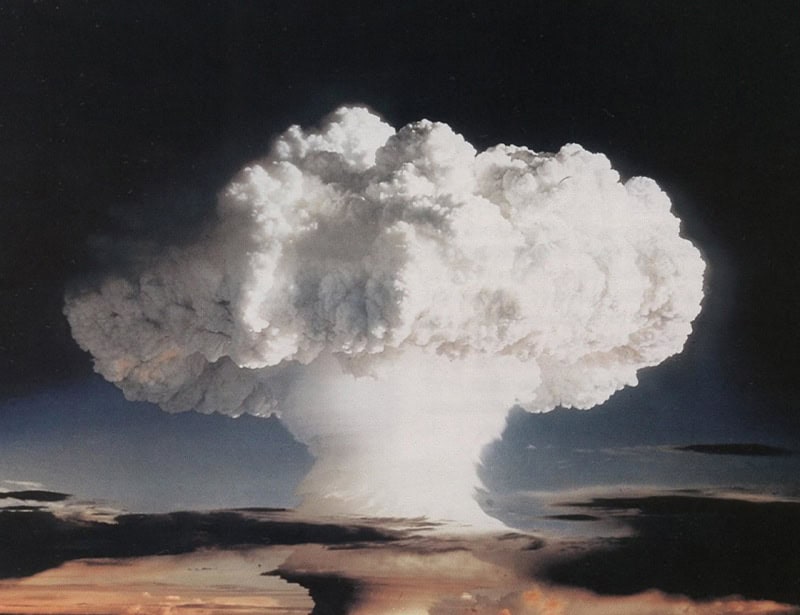
Nuclear weapons are developed from the power of atomic reactions and possess destructive capabilities surpassing dynamite or TNT. Unlike conventional explosives, they harness energy from fission, fusion, or both.
During World War II, the United States initiated the Manhattan Project, leading to a significant advancement in warfare. Nuclear weapons can be deployed using various means, such as missiles, aircraft, submarines, or ground troops.
The aftermath of a nuclear explosion includes not only immediate effects like shockwaves, intense heat, and lethal radiation but also long-term consequences in the form of radioactive fallout. This fallout contaminates the environment, causing cancer and genetic defects.
Why International Day Against Nuclear Tests Matters
Radioactive fallout from nuclear weapons can spread across the environment, affecting the air, water, and soil. This poses a threat to both the environment and human populations, especially those living near testing sites.
The International Day against Nuclear Tests reminds us to mitigate its consequences by prohibiting nuclear testing everywhere.
Data and Statistics

According to the Arms Control Association, eight different countries conducted 2,056 nuclear weapons tests from 1945 to 2017, half of which were done in the atmosphere.
Detonation of nuclear warheads releases thermal energy with more than 3,000 degrees Celsius, resulting in the incineration of every life in the vicinity. The kinetic energy from the blast leads to uprooted vegetation and overpressure injury on animals. Lastly, the effects of radiation manifest in various ways, such as hemorrhaging and blood cell and tissue destruction.
Effects of Nuclear Testing
- Radiation from nuclear explosive testing can cause radiation sickness, characterized by nausea, vomiting, diarrhea, and skin burns
- Long-term devastating and harmful effects of nuclear fallout include cancer, particularly leukemia and thyroid cancer, due to the ionizing radiation damaging the DNA in human cells.
- Radiation exposure from nuclear testing can also cause genetic defects in children, potentially leading to congenital disabilities and other genetic disorders.
- Post-traumatic stress disorder (PTSD), anxiety, and depression are common among survivors of nuclear testing.
- Nuclear testing also displaces people from their homes and communities, disrupts their social networks and support systems, and stigmatizes survivors and their descendants.
Brief Timeline of International Day Against Nuclear Tests

The first nuclear weapons testing began in the United States, codenamed "Trinity.”
Castle Bravo, the most powerful nuclear test by the United States, causes significant radioactive contamination.
The International Atomic Energy Agency (IAEA) is established.
The Partial Test Ban Treaty (PTBT) prohibits all test detonations of nuclear weapons except for those conducted underground.
The United Nations General Assembly adopted the Comprehensive Nuclear-Test-Ban Treaty but has yet to enter into force due to non-ratification by 44 specific nuclear technology holder countries.
Kazakhstan and several other countries propose establishing an International Day against Nuclear Tests at the 61st session of the United Nations General Assembly.
The UN General Assembly unanimously adopts A/RES/64/35, declaring August 29 the International Day against Nuclear Tests.
The first International Day against Nuclear Tests is observed worldwide.
The United Nations holds a high-level meeting in New York to enhance public awareness and education about the effects of nuclear weapons testing and the need for a comprehensive nuclear test ban.
The United Nations calls for the entry into force of the CTBT during the 70th anniversary of the first nuclear weapons test to protect international security.
The Secretary-General of the United Nations repeats its call for all states to sign and ratify the CTBT and abolish nuclear tests permanently.
Hashtags
- #EndNuclearTests
- #NoMoreNukes
- #NuclearTestDay
- #RadiationAwareness
- #PeaceNotWar
Conclusion
The International Day against Nuclear Tests raises awareness about the harmful effects of nuclear testing and promotes efforts to achieve total nuclear abolition. It calls for global action through social media outreach, awareness campaigns, and support for nuclear disarmament treaties.
Let us create a nuclear-weapon-free world for future generations by working towards nuclear disarmament.
Resources:
FAQs (Frequently Asked Questions)
This global observance held on August 29 raises awareness about the dangers of nuclear testing and advocates for a nuclear-free world.
We honor the victims of nuclear tests, promote peace and security, and prevent further harm to the environment and human health.
We can educate others, support nuclear disarmament initiatives, and participate in events to raise awareness.
Some countries continue to conduct nuclear tests despite international efforts to ban them. The latest one was in September 2017 in North Korea.
Governments can ratify and enforce treaties like the Comprehensive Nuclear-Test-Ban Treaty, invest in non-proliferation efforts, and promote diplomatic solutions to global conflicts.
Mike is a degree-qualified researcher and writer passionate about increasing global awareness about climate change and encouraging people to act collectively in resolving these issues.
Fact Checked By:
Isabela Sedano, BEng.