
International Chernobyl Disaster Remembrance Day

International Chernobyl Disaster Remembrance Day transforms nuclear tragedy into global learning every April 26. The United Nations General Assembly established this observance through Resolution 71/125 on December 8, 2016, with support from 60 co-sponsoring countries.
Three decades after the disaster, affected communities still face continuing consequences that need sustained international attention.
This remembrance serves two purposes that reshape nuclear safety talk. Families devastated by the 1986 reactor explosion get recognition for enduring struggles; nuclear safety awareness gains coordinated international momentum through educational programs.
The April 26 date marks the day the reactor number four exploded, releasing 520 dangerous radionuclides across more than 20 countries. It forever changed how humanity approaches atomic energy risks.
Key Info: International Chernobyl Disaster Remembrance Day
- When is International Chernobyl Disaster Remembrance Day?
Occurs annually on the 26th of April - This Year (2026):
Sunday, April 26, 2026 (date has passed) - Official Website: United Nations Chernobyl Remembrance Day
-
Future Dates
- Monday, April 26, 2027
- Wednesday, April 26, 2028
- Thursday, April 26, 2029
- Friday, April 26, 2030
-
Additional Details
- Observed By: UN member states, environmental organizations, and communities affected by nuclear incidents
- Where Is It Observed: International
- Primary Theme: Nuclear Safety and Environmental Responsibility
- Hashtags: #ChernobylRemembranceDay #Chernobyl #NuclearSafety #ChernobylDisaster #NeverForget
Quick Links: International Chernobyl Disaster Remembrance Day
Why This Day Matters for Global Nuclear Safety
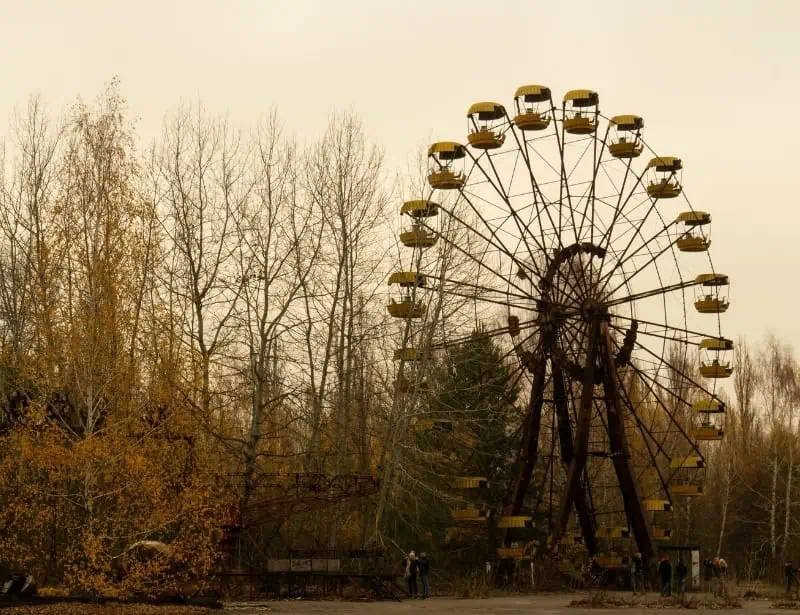
Nuclear complacency kills people. The Chernobyl accident proved reactor failures respect no borders. Contamination spreads wherever wind patterns carry radioactive particles. Since 1986, today's 440 operating reactors across 30 countries have demanded vigilant international cooperation to prevent similar catastrophes.
This observance connects disaster-affected communities with support networks spanning continents. IAEA Director General Yukiya Amano emphasized the stakes: "The key lesson from both Chernobyl and Fukushima Daiichi for everyone involved in nuclear power is that safety can never be taken for granted. Complacency must be avoided at all costs."
Educational campaigns reach new audiences annually through coordinated efforts; communities near facilities learn emergency protocols that could save thousands of lives.
But how can we actually transform historical tragedy into contemporary protection systems?
The remembrance promotes sharing information between nations operating different reactor designs. Emergency response protocols improve through collective experience. The Chernobyl Trust Fund has supported over 230 research projects since 1991, with each study building better safety frameworks.
Official Establishment and Important Facts
UN Resolution 71/125 was passed by consensus on December 8, 2016, during the 71st General Assembly session. The resolution recognizes persistent consequences affecting Ukraine, Belarus, and Russia.
Belarus received 35% of cesium-137 fallout despite representing a fraction of affected territory. International coordination flows through the IAEA, OCHA, and the UN Development Programme.
Official records document the human scale: approximately 8.4 million people experienced radioactive contamination across 3 countries. Resettlement programs relocated 137,700 people from contaminated territories in Belarus alone. Then, 330,000 additional individuals voluntarily moved from affected areas.
The explosion created exclusion zones covering 1,700 square kilometers, encompassing 3,678 settlements.
Member states participate through permanent missions and national nuclear regulatory bodies that coordinate annual awareness campaigns.
Timeline of Remembrance Day Development
UN General Assembly passes Resolution 71/125 establishing the observance
First official International Chernobyl Disaster Remembrance Day observed
IAEA begins coordinated international awareness campaigns
Virtual commemorations adopted during global pandemic
How Communities and Organizations Can Participate
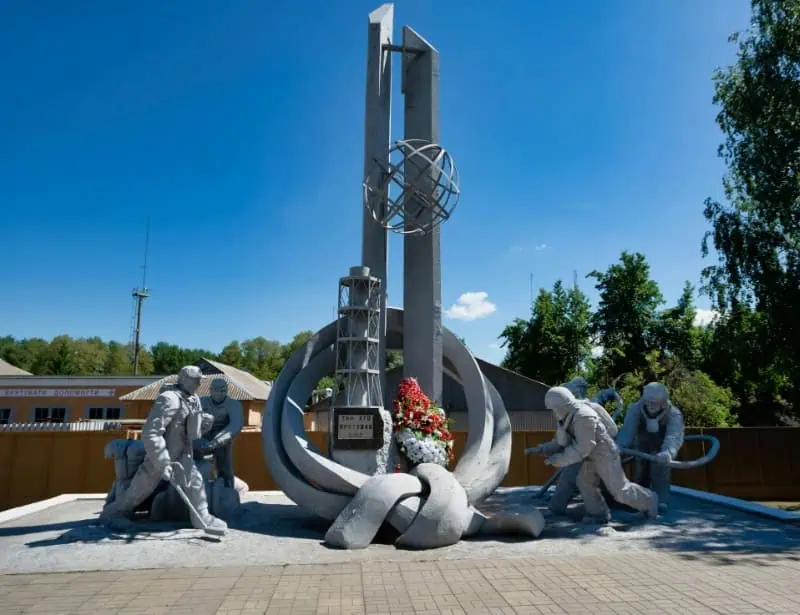
Meaningful participation strengthens nuclear safety culture while honoring victims. Communities and organizations can implement these actions.
Memorial ceremonies recognize the 31 immediate fatalities and approximately 600,000 "liquidators" who risked radiation exposure protecting populations. Nuclear safety education workshops cover emergency preparedness, radiation protection, and reactor safety improvements since 1986—these sessions often reveal gaps in local emergency planning that communities can address.
Support for affected regions includes fundraising for ongoing recovery programs in contaminated areas of Ukraine, Belarus, and Russia. Safety advocacy means contacting representatives about nuclear facility standards and emergency response funding requirements.
Academic partnerships with universities conducting Chernobyl research share findings with broader audiences through community networks and social media platforms.
Organizations access official resources through the UN Office in Geneva, IAEA headquarters in Vienna, and national emergency management agencies.
Core Themes and Messaging Focus
Victim remembrance anchors all observance activities. Their suffering connects directly to current safety improvements.
UN Secretary-General António Guterres stated: "Hundreds of thousands of people were affected by radiation. Some 350,000 people were forced to leave their homes in severely contaminated areas, with a deeply traumatic and lasting impact on their lives. Their suffering must not be forgotten."
Community resilience emerges through decades of adaptation. Affected populations developed expertise in contamination monitoring and health surveillance that benefits global disaster preparedness; nuclear safety lessons guide contemporary reactor design through unprecedented international cooperation on information sharing.
This relates to recovery support through international partnerships that address ongoing contamination challenges.
Beyond April 26 - Nuclear Safety Advocacy
Nuclear safety requires year-round commitment that extends beyond annual remembrance ceremonies. Monitoring reveals that natural attenuation processes have reduced overall contamination, yet thousands of residents still receive annual radiation doses above safe thresholds from accident-related contamination.
Educational programs connect communities near nuclear facilities with emergency preparedness training. Sometimes these reveal critical gaps in local evacuation procedures.
The International Chernobyl Research and Information Network coordinates ongoing studies that inform global safety protocols through shared data and research methodologies. This suggests that advocacy efforts ensure Chernobyl's lessons continue protecting future generations from nuclear disasters through enhanced reactor designs, improved regulatory oversight, and strengthened international cooperation frameworks.
For related events, observe International Day Against Nuclear Tests and International Day of Action for Nuclear Disarmament and Peace.
Resources:
FAQs (Frequently Asked Questions)
Let's Do It Ukraine reports Chernobyl city radiation measures between 0.166–0.378 μSv/h as of February 2025. These readings come close to normal background levels, but don't be fooled - the zone remains restricted. Ukraine's State Emergency Service still controls access for good reason. Some areas have gotten green lights for limited farming lately. Tours? Yes, but only through strict official channels, not casual visits. Safety concerns haven't disappeared completely.
Chernobyl forced the nuclear industry to face hard truths about safety. Today, all new reactors need containment structures - something missing at Chernobyl. Plant operators now train under much tougher standards. Since 1989, the World Association of Nuclear Operators has connected facilities worldwide to share safety practices. This relates directly to why current plants operate with completely different safety systems than their 1986 counterparts. And international review systems now catch problems before they become disasters.
Thyroid cancer stands as the clearest health effect from Chernobyl, especially in people exposed as children. The Canadian Nuclear Safety Commission points to this as the major confirmed issue needing tracking. Beyond this, cleanup workers and evacuees show higher rates of mental health problems - PTSD, depression, and thinking difficulties often appearing 10-15 years after exposure. Since 2010, researchers have tracked concerning patterns of birth defects in children whose parents faced radiation exposure. This suggests the health story continues to unfold decades later.
Former Chernobyl residents gather yearly for memorials that keep community bonds alive. Family photo albums from before the disaster serve as precious links to lost homes. Today, many evacuee organizations work to preserve cultural traditions that might otherwise fade away. Community museums in nearby safe areas display artifacts and stories from evacuated villages. This helps younger generations understand their roots while acknowledging they'll never return permanently to their ancestral homes.
Barbara is a former journalist who is passionate about translating important causes into engaging narratives. She combines communication expertise with an environmental science background to create accessible, fact-driven content.
