International Agent Orange Awareness Day

August 10th marks International Agent Orange Awareness Day. This remembrance day connects us back to when the United States first deployed Agent Orange in Vietnam in1961. The date carries stories of veterans who served with real courage and of victims who were caught in the war. Their experiences continue shaping how we understand chemical exposure's lasting damage.
Marine Corps veteran David P. Irwin spoke powerfully during recent observances. "To all veterans and their families who have borne the burden of Agent Orange, we see you, and we salute your courage."
Beyond this individual recognition, the awareness day educates communities about the consequences of chemical warfare. It extends across generations. Families carry this burden today.
Key Info: International Agent Orange Awareness Day
- When is International Agent Orange Awareness Day?
Occurs annually on the 10th of August - This Year (2026):
Monday, August 10, 2026 (date has passed) -
Future Dates
- Tuesday, August 10, 2027
- Thursday, August 10, 2028
- Friday, August 10, 2029
- Saturday, August 10, 2030
-
Additional Details
- Observed By: Veterans organizations, advocacy groups, and affected communities worldwide, with primary focus in US
- Where Is It Observed: International
- Primary Theme: Veterans Health and Environmental Justice
- Hashtags: #AgentOrangeAwareness #VietnamVeterans #AgentOrangeDay #VeteransHealth #NeverForget
Quick Links: International Agent Orange Awareness Day
Why This Day Matters
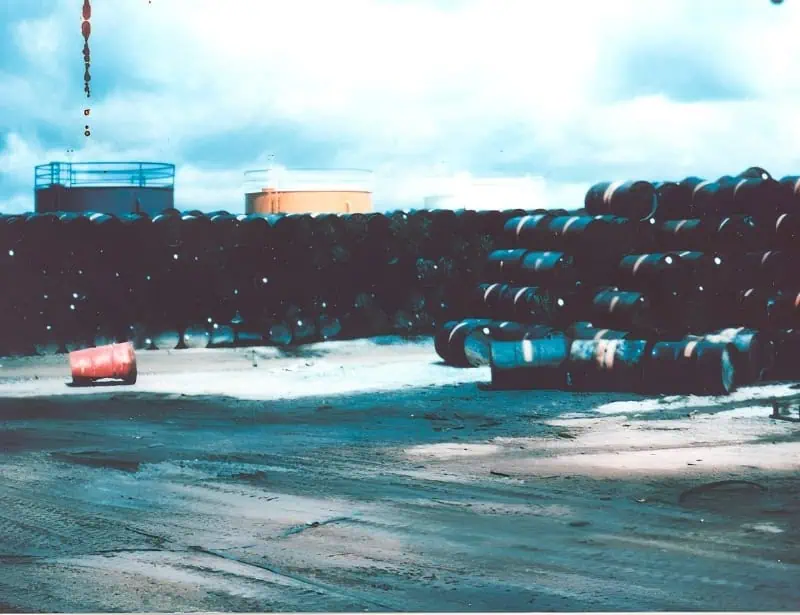
Agent Orange affected veterans and civilians fifty years ago, and it continues to do so. Veterans face ongoing health crises decades after exposure; their children and grandchildren show increased health risks too.
Recent medical breakthroughs show something troubling. Agent Orange components produce molecular abnormalities strikingly similar to early-stage Alzheimer's disease. This suggests serious problems for aging populations affected during the war.
This awareness day emphasizes education and prevention through veteran testimonies. Vietnamese populations also suffered environmental contamination.
The educational mission works to prevent future chemical warfare while promoting legislative action for expanded veteran healthcare.
Critical Facts and Impact Data
Operation Ranch Hand deployed roughly 11 million gallons of Agent Orange in Vietnam between 1962 and 1971. Over 948,103 Vietnam veterans faced potential exposure, which is 26% of all who served.
Recent research confirms increased cancer risks. Veterans exposed to Agent Orange show bladder cancer incidence rates of 1.84 per 1000 person-years compared to 1.75 among unexposed veterans.
Key Timeline:
First Agent Orange deployment begins in Vietnam
Military scientists report dioxin contamination concerns
Department of Veterans Affairs (VA) initiated its first study of Agent Orange-exposed veterans
Public Law 96-151 ordered the VA to conduct an epidemiological study on the health effects of dioxin exposure in Vietnam veterans
VA launched the Agent Orange Review newsletter to give veterans updates on ongoing research and policy developments
The Agent Orange Act was signed. It ordered the VA to automatically assume certain illnesses were caused by wartime herbicide exposure, making affected Vietnam veterans immediately eligible for government care and disability pay
Although not a federal holiday, veterans' service organizations, local municipalities, and state-level proclamations recognize International Agent Orange Awareness Day.
Ways to Honor and Participate
- Participation goes from personal remembrance to community action.
- Attend memorial ceremonies where local candlelight vigils honor affected veterans.
- Display orange porch lights or wear orange shirts.
- Share stories using #AgentOrangeAwareness on social platforms.
- Support veteran organizations by volunteering with VA medical centers.
- Organize community presentations about chemical warfare impacts.
- Contact legislators to advocate for expanded veteran healthcare benefits.
- Check out the Vietnam Veterans Memorial Fund. Donate, attend their events, or educate yourself by reading their website.
Supporting Organizations and Resources
The Vietnam Veterans Memorial Fund leads national Agent Orange awareness efforts. Their "In Memory" program has honored nearly 5,000 veterans since 1993.
Missouri National Veterans Memorial provides ceremonial support where America's Wall "goes orange" at sunset. This relates to local communities organizing memorial dedications nationwide.
Birth Defect Research for Children maintains registries documenting health patterns across generations.
The Ford Foundation contributed over $17 million supporting response efforts. Their funding advances dioxin containment, public health measures, and environmental restoration. VA medical centers offer specialized care while advocacy groups bridge research gaps between military service and civilian healthcare.
Taking Action Beyond August 10
One awareness day creates momentum for year-round advocacy. Veterans need sustained legislative support for expanded healthcare benefits. Chemical warfare prevention requires ongoing public attention beyond August observances.
Community involvement extends through local veteran organizations needing volunteers. Medical research studying effects across generations deserves continued support.
These investigations inform future healthcare policies while preventing similar tragedies. Every action honors those who served. Every voice advances justice for affected families.
For more events like this, join the International Day of Action for Nuclear Disarmament and Peace and Purple Heart Day.
Resources:
FAQs (Frequently Asked Questions)
Stanford's 2025 research found clear signs of hormone disruption and reproductive problems in second-generation women. About 18% of those studied showed both issues. Families report third-generation effects too. The government and Congress admit they're late to the game. They're only now funding studies to confirm these connections. The Senate Veterans Committee points out something troubling - despite all these years, we still lack proper government research into how Agent Orange affects future generations.
When veterans with Agent Orange exposure get older, they face unique health challenges. The American Thoracic Society found they're 14% more likely to develop scarring lung disease compared to other vets. Beyond this, Brown University studies show the chemical causes brain damage similar to early Alzheimer's. This creates special risks for exposed veterans as they age. The problem stems from military application at 20 times stronger than what manufacturers said was safe during Vietnam. These effects simply don't exist in people who weren't exposed.
The VA covers treatment for recognized conditions through specialized programs at certain facilities. Today's support includes genetic counseling for families, specialized brain care, and mental health services. Veterans can access everything through the Agent Orange Registry Health Exam program. This serves as the entry point for most veterans seeking help with exposure-related health problems. Some vets report the process takes persistence, but the services exist for those who qualify.
The main effort focuses on Bien Hoa airbase. This 10-year project started in 2020 aims to remove and treat about 500,000 cubic meters of poisoned soil. U.S. money funds the work, though it briefly stopped in March 2025 when USAID faced budget cuts under Trump. Work started again, but future funding remains shaky. The Aspen Institute notes that proven cleanup methods exist and could extend to other "hot spots" throughout Vietnam if given proper resources. Local Vietnamese organizations continue smaller-scale efforts in heavily affected communities.
Children and grandchildren should get regular health checks, especially for conditions tied to Agent Orange. The VA offers genetic counseling and suggests specific monitoring plans. Family members need to document their veteran's service history and keep detailed health records. This helps establish connections between exposure and later health problems. Some families form support groups to share information about doctors familiar with Agent Orange effects. Keeping good records might help with future benefit claims if more conditions receive recognition.
Barbara is a former journalist who is passionate about translating important causes into engaging narratives. She combines communication expertise with an environmental science background to create accessible, fact-driven content.