Day of Remembrance for all Victims of Chemical Warfare

November 30th marks the Day of Remembrance for all Victims of Chemical Warfare. The UN and Organisation for the Prohibition of Chemical Warfare created this day to honor those harmed by chemical weapons worldwide.
But this isn't about policy debates. It's about people. Chemical attacks kill immediately. They create lifelong suffering that spans generations, turning cold statistics into human stories that matter.
Why This Day Matters
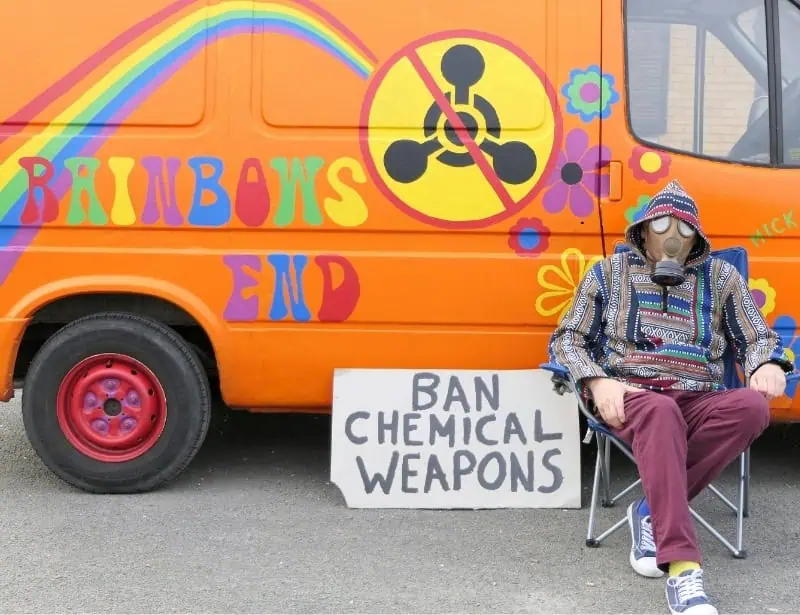
Director-General Rogelio Pfirter proposed this remembrance at the Chemical Weapons Convention's tenth conference in 2005. The UN formally recognized it. The reasoning was simple: you can't eliminate what you forget. Originally set for April 29th, they moved it to November 30th in 2015.
Technical progress means nothing without acknowledging victims' experiences; survivor testimonies reveal ongoing pain decades after exposure. Since 1997, the Chemical Weapons Convention has protected 193 member states—that's over 98% of the world's population.
According to the latest numbers by the Organisation for the Prohibition of Chemical Weapons, 100% or 72,304 metric tonnes of declared stockpiles have been destroyed. Yet modern attacks continue, so the fight must go on.
Key Timeline:
Chemical Weapons Convention enters force
Day of Remembrance established
First official observance
How Organizations and Individuals Observe
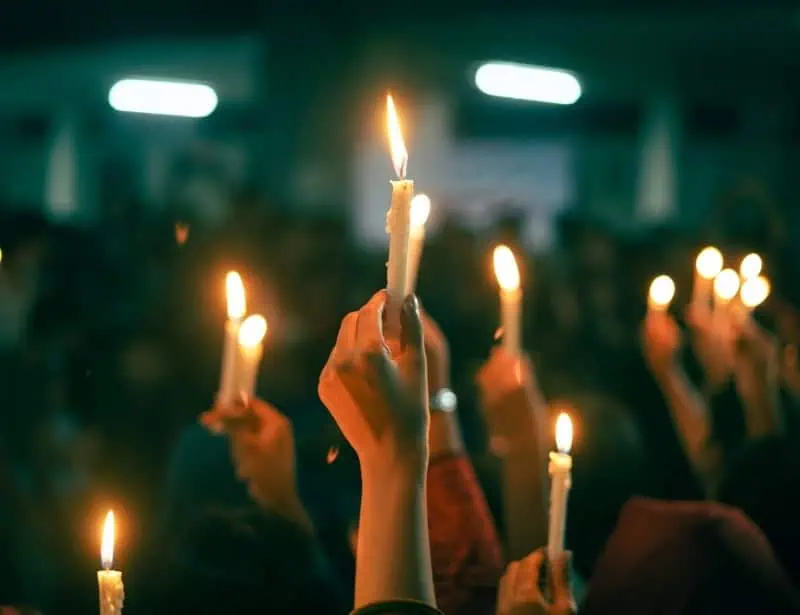
Memorial ceremonies anchor November 30th activities. Schools weave survivor testimonies into programs while community groups bridge remembrance with practical protection awareness.
Participation methods include hosting memorial ceremonies and developing educational programs. Organizations share survivor stories through presentations, join Conference of States Parties events, or create remembrance displays.
These efforts transform remembrance into action. Individual participation strengthens our collective commitment to general progress.
Victims Remembered and Global Effect
Chemical weapons have damaged populations throughout history. World War I saw gas injuries kill 91,000 of 1.3 million total casualties.
Modern conflicts continue this pattern. According to the Syrian Network for Human Rights, 1,514 deaths, including 214 children and 262 women, resulted from chemical attacks in Syria since 2012.
Survivor Sahar Tafreshi emphasized that victims face "numerous medical and psychological problems including respiratory problems, eye problems, corneal burns, skin burns, and internal problems."
Environmental damage extends suffering beyond immediate casualties. This broader consequence demands more attention in prevention discussions.
Taking Action Beyond Remembrance
The OPCW provides resources for sustained community engagement through its Centre for Chemistry and Technology, which has been operational since 2023.
Community initiatives honor victims through educational outreach. Medical training programs now address chemical weapons casualties following WHO guidelines.
International solidarity grows when local groups participate in global prevention networks. This relates directly to the clear connections between remembrance and ongoing prevention efforts.
Do the same for other victims as you observe the International Day of Remembrance and Tribute to the Victims of Terrorism and the International Day Commemorating The Victims Of Acts Of Violence Based On Religion Or Belief.
Resources:
FAQs (Frequently Asked Questions)
The Chemical Weapons Convention (CWC) took effect in 1997 and stands as our main defense against chemical warfare. This treaty bans making, storing and using chemical weapons. The results speak for themselves - 193 countries have joined, and they've destroyed 99% of known chemical weapon stockpiles. The CWC builds on the older 1925 Geneva Protocol. When countries don't follow the rules, the U.S. State Department tracks these violations in their reports. This creates clear connections between international law and real protection.
Today's military detectors like AVCAD work by sampling air constantly and sending alerts before anyone gets hurt. The U.S. Army's Joint Program Office for CBRN Defense points to these systems as key advances in protection. They can spot dangerous chemicals from safe distances—some up to six kilometers away. This gives commanders precious minutes to protect troops or civilians. Beyond this, these new systems connect wirelessly to military networks, letting everyone know about threats simultaneously. The practical protection comes from changing defense from after-the-fact to preventive.
Survivors deal with health problems that last decades, not just days. Studies in JAMA showed Iranian survivors developed serious mental health issues long after exposure. When researchers looked at affected children, 70% had ongoing health issues. These include breathing problems, damaged vision, skin conditions, and nerve damage. Since these effects don't go away, chemical weapons create more lasting suffering than regular weapons. This suggests the true cost extends far beyond the initial attack.
Response teams now work through multi-agency networks that share information instantly across borders. UNICRI guidance and the OPCW's 2025 regional meetings shaped this approach. Teams use unified command structures to assess situations and deploy resources faster. And organizations like INTERPOL help by maintaining chemical databases everyone can access. In practice, regional cooperation means when something happens in one country, responders in neighboring nations know immediately. This generates progress in both planning and on-the-ground readiness.
Barbara is a former journalist who is passionate about translating important causes into engaging narratives. She combines communication expertise with an environmental science background to create accessible, fact-driven content.