Be An Angel Day: Simple Acts That Transform Communities

Be An Angel Day hits on August 22nd every year. Rev. Jayne Howard Feldman started this thing back in 1993, aiming to reach folks "shut off from love." Now, twenty countries join this secular kindness push. The whole point? Anonymous help. Your religious background, or lack of one, doesn't matter here. Small acts create real change in neighborhoods.
Key Info: Be An Angel Day
- When is Be An Angel Day?
Occurs annually on the 22nd of August - This Year (2026):
Saturday, August 22, 2026 (date has passed) -
Future Dates
- Sunday, August 22, 2027
- Tuesday, August 22, 2028
- Wednesday, August 22, 2029
- Thursday, August 22, 2030
-
Additional Details
- Observed By: Individuals, communities, and organizations engaging in charitable acts and anonymous gestures of kindness
- Where Is It Observed: International
- Primary Theme: Acts of Kindness and Charitable Service
- Hashtags: #BeAnAngelDay #RandomActsOfKindness #KindnessMatters #PayItForward #BeKind
Quick Links: Be An Angel Day
Why This Angel Movement Matters Beyond Religion

Feldman wanted everyone involved from day one. Spiritual beliefs don't determine who gets to help protect others. Her setup welcomes anyone, regardless of faith.
This openness transforms communities in ways that surprise people. Dr. Lara Aknin runs the Helping and Happiness Lab at Simon Fraser University. She found that "When people give in ways that are more socially connected or relational, that seems to better unlock these emotional rewards."
Research backs up what most of us sense. Acts of kindness generate important mental health benefits for the person doing them.
Studies on individuals with depression showed striking results. Those assigned kindness activities developed stronger social connections compared to traditional therapy participants. People who receive kind acts? They engage in nearly three times more prosocial behaviors than control groups.
Kindness multiplies through neighborhoods. Actually multiplies.
This suggests something deeper than surface-level good feelings. A nine-year study tracked moderate volunteering and charitable donations; both created lasting psychological benefits measured nearly a decade later. Angel work spreads across generations.
Top 5 Ways to Observe Be An Angel Day
Anonymous gestures form the foundation here. Your protective presence stays hidden while the effect becomes visible.
- Individual opportunities: Pay for someone's coffee, leave encouraging notes in library books, deliver groceries to elderly neighbors. Simple stuff.
- Local connections: Connect with food banks, homeless shelters, or environmental cleanup initiatives during August. Many organize special events.
- Group efforts: Neighborhood clean-up days, care packages for shelters, anonymous gift distributions. These require planning but create bigger change.
- Finding events nearby: Check community center bulletin boards first. Contact religious organizations—they often coordinate secular-friendly activities. Search social media for "Be An Angel Day" in your area.
- Workplace integration: Anonymous desk treats, covering parking fees, organizing supply drives. Office environments can become more human this way.
Discovering Angel Day Networks Near You
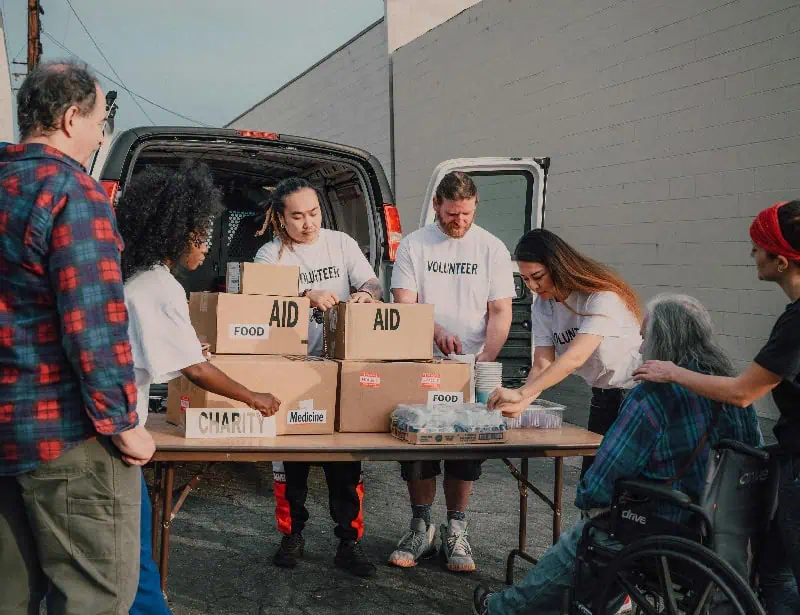
Local organizing creates different opportunities than solo acts. Existing groups coordinate large-scale change through shared action.
Start with community centers; they maintain volunteer databases that'll surprise you. To start, here's our guide on becoming a volunteer for homeless shelters and tree planting events.
Neighborhood social media groups organize spontaneous kindness initiatives throughout August. Religious organizations frequently coordinate activities that welcome everyone. Their existing setup supports both planning and execution phases.
Beyond this, building ongoing kindness networks extends influence past single-day observances.
Jack Doueck, author of "The Chesed Boomerang," notes that "one of the healthiest responses to suffering and personal sorrow is to practice acts of kindness." His insight explains why people gravitate toward organized angel work during tough periods.
Since 2020, these networks have become more creative about connecting people safely.
Making Your Angel Day Effect Count
Meaningful service starts with quick action. Angel-like presence develops through consistent engagement year-round and not just August enthusiasm.
Connect daily acts to the August 22nd momentum. Local organizing amplifies individual efforts through shared coordination. Your participation matters regardless of scale or visibility.
Neighborhood building happens through accumulated small gestures; larger, organized efforts depend on a foundation of individual commitment. In practice, both approaches feed each other.
Promote the cause further by saving the following dates to your calendar: World Kindness Day and Random Acts of Kindness Week.
Resources:
FAQs (Frequently Asked Questions)
We don't have enough research data to answer this question properly. The search results don't cover measurement methods for Be An Angel Day impact.
Event organizers need permits for public gatherings first and foremost. Beyond this, proper insurance gives you essential protection. Make sure COVID protocols are clear if they still apply in your area. When people join activities, have them sign waivers. This relates directly to anonymous giving too - create guidelines that keep both givers and recipients safe. Teaming up with established charities often helps since they've already got safety systems in place.
Schools connect well with Be An Angel Day through anonymous kindness boxes where kids can share positive notes. Grade-specific service projects work better than one-size-fits-all approaches. Today, many schools add reflection activities about kindness effects on communities with nearly 65% reporting improved school climate. Parent groups can extend the reach beyond school walls. Whatever you choose, make sure activities match your educational goals while keeping the anonymous spirit of the day.
Facebook Groups serve as coordination centers for volunteer teams based on what established charities do. And online donation platforms make money contributions smoother for the 40+ million Americans who donate regularly. This suggests organizations should focus on these proven options for clear connection. In practice, though, we need more solid research. Studies from academic or government sources about the best digital tools specifically for Be An Angel Day seem pretty limited right now.
Barbara is a former journalist who is passionate about translating important causes into engaging narratives. She combines communication expertise with an environmental science background to create accessible, fact-driven content.