
World Whale Day: Protecting Our Marine Giants
World Whale Day, held every third Saturday of February, emphasizes the protection of these marine mammals from commercial whaling, pollution, and climate change. Originating in Maui, Hawaii, it also honors the importance of the whale as an indicator of ocean health.
On this day, support conservation efforts through educational programs, beach clean-ups, and fundraisers.
Key Info: World Whale Day
- When is World Whale Day?
Occurs on the 3rd Sunday of February - This Year (2026):
Sunday, February 15, 2026 (date has passed) - Official Website: Pacific Whale Foundation
-
Future Dates
- Sunday, February 21, 2027
- Sunday, February 20, 2028
- Sunday, February 18, 2029
-
Additional Details
- Observed By: Marine conservation organizations, environmental groups, and whale enthusiasts worldwide
- Where Is It Observed: International
- Primary Theme: Marine Conservation and Whale Protection
- Hashtags: #WorldWhaleDay #SaveTheWhales #WhaleConservation #MarineLife #OceanConservation
Quick links: World Whale Day
Why World Whale Day Matters
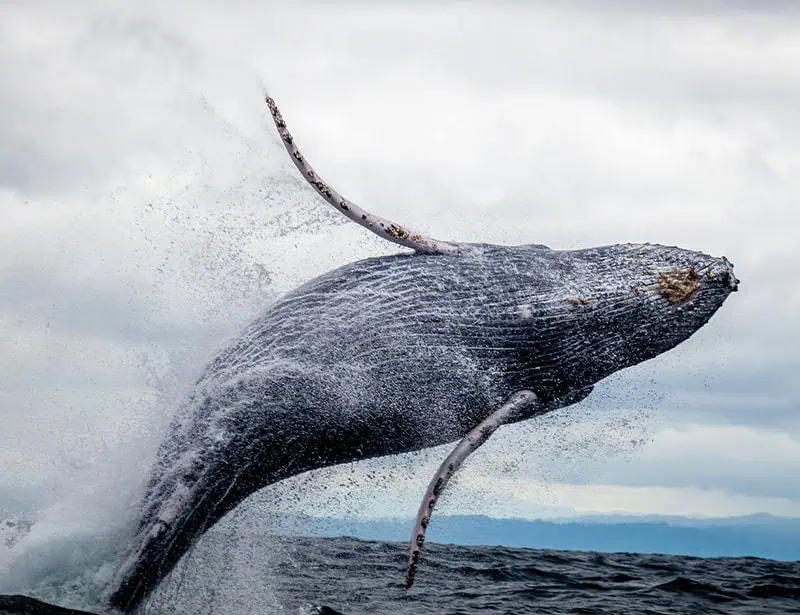
Despite a global ban, some countries continue commercial whaling, which negatively impacts marine ecosystems. Bycatch, the unintentional capture of whales in fishing gear, also threatened whale populations.
Moreover, plastic ingestion and noise pollution adversely affect whales. Even climate change disrupts whale food supplies and migration patterns.
World Whale Day calls everyone's attention to these threats and urges us to address them not only for one day a year but all year round. Let’s learn more about these beloved giants of the sea and the efforts to save them in the sections below.
Fun Facts about Whales
- Whales are the largest animals on the planet. The blue whale can grow up to 100 feet long and weigh as much as 200 tons, making it the largest creature ever living on Earth, even bigger than the largest dinosaur.
- They communicate through clicks, whistles, and body movements. Some species, like the humpback whale, are known for their complex "songs" that can last up to 20 minutes and be heard miles away.
- Unlike most mammals, whales actively decide when to breathe. This is why they don't fully sleep. Instead, they rest one half of their brain at a time while the other half stays awake to manage breathing and watch for threats.
- Some types of whales, like bowhead whales, can live for over 200 years, making them among the longest-lived animals on Earth.
- Whales help sequester carbon from the atmosphere. One whale can sequester an estimated 33 tons of CO2 in its lifetime, and more than 1,000 trees can in a year. When they die, their bodies sink to the ocean floor, effectively removing that carbon from the atmosphere for centuries.
- Even though they look different, dolphins, killer whales, and beluga whales are under the Cetacea order together with filter-feeding baleen whales.
Read more: whale facts.
Latest Conservation Data

IUCN continues to give the Blue Whales an endangered status. Their population dropped from about 140,000 in 1926 to an uncertain 5,000-15,000 in 2018. While increasing, the Antarctic subspecies is critically endangered due to significant past reductions from commercial whaling.
There are two baleen whales that are critically endangered. With 200-250 mature individuals, the North Atlantic Right Whales suffered a decline due to entanglements in fishing gear and ship strikes.
Next, due to the oil spill in the Gulf of Mexico, Rice Whales experienced adverse health effects from the oil exposure while females underwent reproductive failure. Today, this critically endangered whale could be as few as 26 mature individuals.
From December 2018 to November 2023, the National Oceanic and Atmospheric Administration (NOAA) reported a record-breaking 690 strandings of eastern North Pacific gray whales.
Conservation Initiatives
- The International Whaling Commission (IWC) is a global body responsible for the conservation of whales and the management of whaling. It implements various initiatives and regulations to protect whales from threats like commercial whaling and habitat degradation.
- Whale and Dolphin Conservation (WDC) is dedicated to the conservation and welfare of all whales and dolphins. It works globally through campaigns, lobbying, advising governments, conservation projects, field research, rescue, and education.
- Sea Shepherd Conservation Society uses direct-action tactics to protect marine life, including whales. Their initiatives include campaigns against illegal whaling activities and efforts to clean up ocean habitats.
- Ocean Alliance conducts scientific research and promotes social engagement to inspire the preservation of whales and their ocean environment. Their initiatives include the "Voyage of the Odyssey" program, which collects data on the health of the world's oceans and marine life.
- The Marine Mammal Center leads in marine mammal rescue, veterinary medicine, and science. Its work involves rescuing and rehabilitating sick and injured marine mammals, including whales, and returning them to their natural habitat.
Brief Timeline of World Whale Day
The Pacific Whale Foundation in Maui, Hawaii, started World Whale Day to raise awareness about the importance of protecting whales.
The International Whaling Commission (IWC) imposes a global moratorium on commercial whaling.
World Whale Day gains recognition from other international organizations and countries, expanding its reach beyond Hawaii.
The Pacific Whale Foundation launches a global campaign, "Be Whale Aware," to promote responsible whale watching.
Conclusion
Our activities can harm even the giant mammals of the sea. So, during World Whale Day, it is only just that we band together to protect them and their habitats. Let us support conservation initiatives and adopt eco-friendly practices to help maintain marine biodiversity.
Our collective efforts can positively impact the well-being of whales and the planet.
Resources:
FAQs (Frequently Asked Questions)
Every third Saturday of February, this annual event honors the whale’s crucial role in balancing marine ecosystems by regulating the populations of other aquatic species. It also raises awareness about the conservation of marine animals by holding events, online campaigns, and many more.
Yes, and some have it worse. Critically endangered baleen whales include the Rice’s Whale and North Atlantic Right Whale. Other famous that are unfortunately endangered are the blue and humpback whales
You can reduce plastic waste, participate in beach clean-ups, and support organizations that focus on marine conservation.
The biggest threats to many whale species include habitat destruction, pollution, climate change, and commercial whaling.
You can learn more about endangered whale species, share information on social media, attend events or webinars, and support conservation initiatives.
Mike is a degree-qualified researcher and writer passionate about increasing global awareness about climate change and encouraging people to act collectively in resolving these issues.
Fact Checked By:
Isabela Sedano, BEng.
