
World Snake Day: Protecting The Slithering Animals
World Snake Day is on July 16. It honors snakes' role in maintaining biodiversity, managing pests, and preserving ecosystems. This event also challenges common fears and misconceptions surrounding snakes through education and awareness.
Join the global advocacy for snake conservation by first learning more about this day.
Key Info: World Snake Day
- When is World Snake Day?
Occurs annually on the 16th of July - This Year (2026):
Thursday, July 16, 2026 (date has passed) -
Future Dates
- Friday, July 16, 2027
- Sunday, July 16, 2028
- Monday, July 16, 2029
- Tuesday, July 16, 2030
-
Additional Details
- Observed By: Zoos, wildlife organizations, herpetological societies, conservation groups, and snake enthusiasts
- Where Is It Observed: International
- Primary Theme: Wildlife Conservation and Education
- Hashtags: #WorldSnakeDay #SnakeConservation #SaveTheSnakes #SnakeAwareness #WildlifeConservation #Herpetology #SnakeEducation
Quick links: World Snake Day
Why World Snake Day Matters
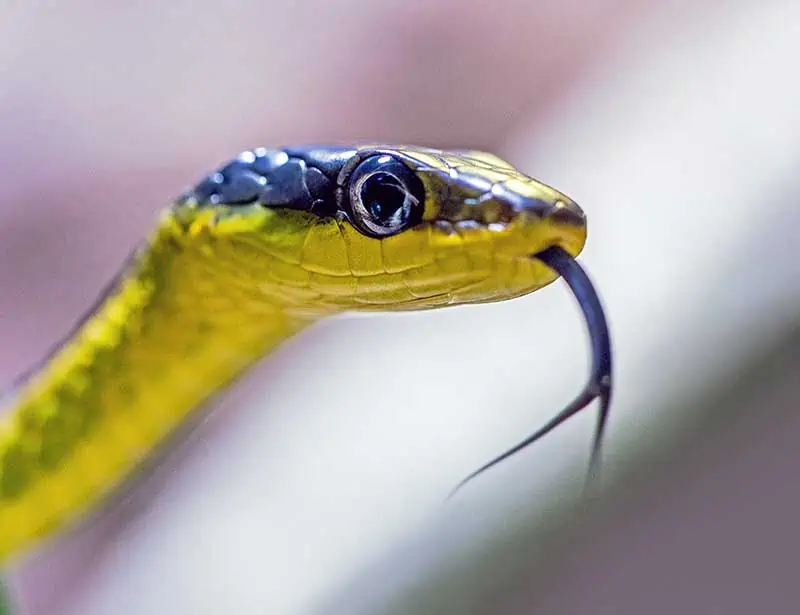
World Snake Day raises awareness about snakes' complex and essential function in nature. They are responsible for controlling rodent and pest populations, which helps prevent crop damage and the spread of diseases. Many snakes are also the food source of other snakes, mammals, and birds of prey.
Because of their role in maintaining ecological balance, the snakes' presence indicates a healthy environment. Even though snakes live almost anywhere, they face habitat loss. The driving forces are rapid urbanization, deforestation, and human encroachment. Additionally, fear and misconceptions about snakes contribute to unnecessary killings.
In addition to dispelling myths, World Snake Day also illuminates the global snakebite crisis, particularly in rural parts of Africa, Asia, and Latin America.
Limited access to antivenom treatments and medical facilities poses a serious public health issue. This day advocates for improved healthcare measures and raises awareness among communities near snake habitats.
Unique Features of Snakes
Snakes' flexible jaws allow them to swallow prey much larger than their head. Some large snakes can even eat cows and crocodiles.
A few species also carry potent venom. For example, the King Cobra is the world's largest venomous snake, reaching 18 feet long.
These creatures have transparent scales, called "brilles," instead of eyelids, which shed along with their skin during molting.
A snake's forked tongue is part of a sensory organ known as Jacobson's organ, which enables them to track their prey using chemical cues.
They can sense vibrations through their jaws, which travel to their inner ear, allowing them to detect prey and potential threats.
Latest Conservation Data
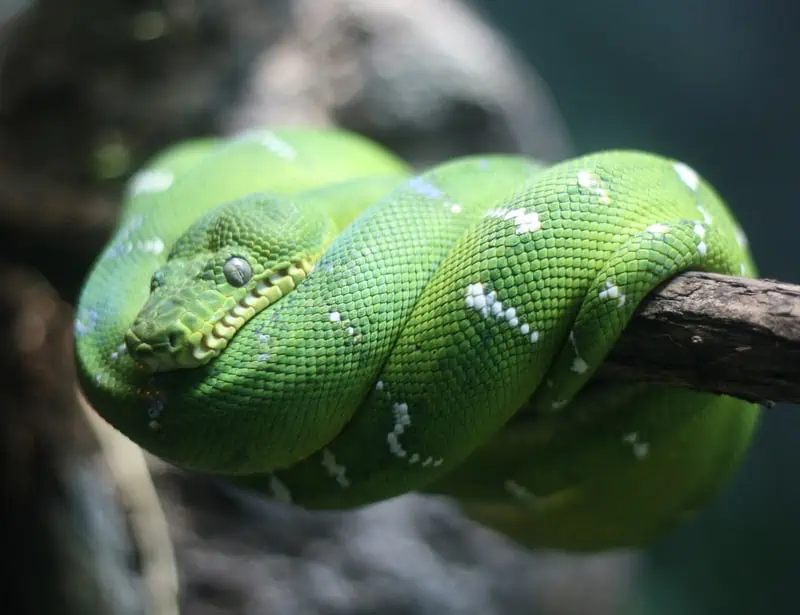
The IUCN reported four extinct snakes and over 400 snake species as either critically endangered, endangered, or vulnerable.
According to a report by TRAFFIC, there were 292 recorded seizures from 2012 to 2021 in Southeast Asia. The confiscations included 17,589 individual snakes and 76,476 whole skins, skin pieces, and other parts.
Another study published in 2019 suggested that unchecked global warming could result in 73.6% of oviparous and 67.6% of viviparous snake species losing half their original range in the Brazilian Atlantic forest by 2080.
Conservation Initiatives
- Save the Snakes is a non-profit organization dedicated to conservation and mitigation of human-snake conflict. It works globally and focuses on community engagement, education, and habitat preservation.
- The Orianne Society is committed to conserving reptiles, amphibians, and the ecosystems they inhabit. Its work focuses on snakes and includes habitat restoration, protection, and scientific research.
- Partners in Amphibian and Reptile Conservation (PARC) comprise individuals and entities working to conserve amphibians, reptiles, and their habitats. They have several initiatives aimed explicitly at snake conservation.
- The Rattlesnake Conservancy conserves venomous snakes, particularly rattlesnakes. It conducts research, provides education, and advocates for policy changes to protect these species.
- Advocates for Snake Preservation (ASP) uses science, education, and advocacy to promote compassionate conservation and coexistence with snakes. They work to change how people view and treat snakes.
Conclusion
World Snake Day emphasizes the significance of snakes in maintaining biodiversity and environmental equilibrium. Let us support conservation organizations and educate others about these creatures.
Resources:
FAQs (Frequently Asked Questions)
Every July 16, this annual event aims to raise awareness about snakes and their conservation.
Snakes play a critical role in nature. They control rodents and other prey populations and maintain ecological balance. Moreover, scientists have begun studying snake venom for its use in developing various medicines, such as drugs for high blood pressure.
You can avoid killing them, support conservation efforts, and spread awareness about their importance.
Not all snakes are dangerous. Most snakes are non-venomous.
If you encounter a snake, stay calm, give it space, and slowly back away. Snakes will usually retreat if given the chance.
Mike is a degree-qualified researcher and writer passionate about increasing global awareness about climate change and encouraging people to act collectively in resolving these issues.
Fact Checked By:
Isabela Sedano, BEng.
