World Otter Day: Protecting these Charming Mammals
World Otter Day, or International Otter Awareness Day, is organized by the International Otter Survival Fund every last Wednesday of May. It is dedicated to raising awareness about the importance of otters in maintaining ecological balance.
The event highlights the threats to these fascinating animals: habitat destruction, pollution, and climate change. World Otter Day brings together communities, organizations, and governments worldwide to promote otter conservation efforts.
Key Info: World Otter Day
- When is World Otter Day?
Occurs on the last Wednesday of May - This Year (2026):
Wednesday, May 27, 2026 (date has passed) - Official Website: International Otter Survival Fund
-
Future Dates
- Wednesday, May 26, 2027
- Wednesday, May 31, 2028
- Wednesday, May 30, 2029
-
Additional Details
- Observed By: Conservation organizations, zoos, wildlife centers, educational institutions, and otter enthusiasts globally
- Where Is It Observed: International
- Primary Theme: Wildlife Conservation
- Hashtags: #WorldOtterDay #OtterConservation #IOSF #SaveTheOtters #OtterAwareness
Quick links: World Otter Day
Why World Otter Day Matters
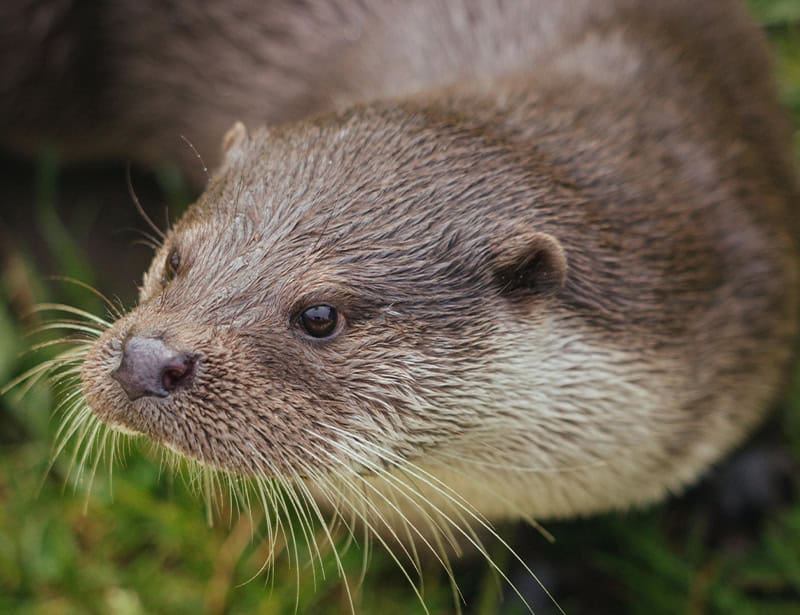
Otters consume fish and crustaceans, regulating marine populations. Their burrowing activities support soil aeration and vegetation growth. Unfortunately, habitat loss and degradation threaten their existence. On top of that, they face the horrors of hunting, invasive species, and diseases.
Founded by the International Otter Survival Fund, World Otter Day advocates for protecting otter habitats, reducing pollutants, and preventing illegal hunting.
Fun Facts about Otters
- Otters have the densest fur in the animal kingdom, with up to one million hairs per square inch. This fur keeps them warm in cold water and helps them float.
- Otters are known for their playful behavior, which includes sliding down muddy or snowy hills, wrestling, and even playing with rocks or other objects. This behavior helps otters to learn survival skills and to strengthen social bonds.
- Sea otters, a species of otter found along the coasts of the Pacific Ocean, use tools, such as rocks, to crack open shellfish. They are one of the few mammal species that use tools this way.
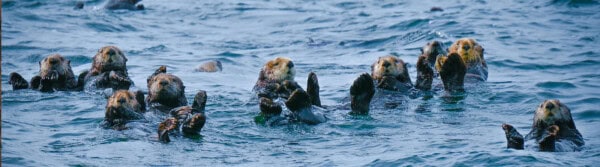
- Otters often live in groups, which are called "rafts" in the case of sea otters. These groups can include up to 100 individuals. They will usually hold hands to prevent drifting apart while they sleep.
- They practice monogamous partnerships to increase the successful rearing of young otters.
Latest Conservation Data

The latest data from the International Union for Conservation of Nature (IUCN) says more than half of otter species are threatened. Five species are endangered – sea, marine, giant, hairy-nosed, and southern river otters. Meanwhile, two species– smooth-coated and Asian small-clawed otters– are vulnerable.
Conservation Initiatives
- Founded in 1993, the International Otter Survival Fund (IOSF) resulted from observing otters in natural habitats. They have various projects to protect otters, such as rehabilitation, education programs, and research. During World Otter Day, they give a small grant to three events.
- Friends of the Sea Otter (FSO) actively works with state, federal, and international policies to maintain the health of the world's sea otter populations. They promote research, education, and legislation that will help protect this keystone species.
- Otter Specialist Group (OSG) comprises over 400 otter specialists worldwide. It is part of the Species Survival Commission (SSC) of the International Union for Conservation of Nature (IUCN). The OSG facilitates information exchange to encourage and support research and conservation.
- The Monterey Bay Aquarium's Sea Otter Program has been studying and trying to save the threatened southern sea otter since 1984. It rescues, treats, and releases injured otters. Likewise, it raises and releases stranded pups through its surrogate program. Additionally, it cares for sea otters that can't return to the wild.
- The UK Wild Otter Trust promotes the conservation of the UK's native otter species. Their work includes habitat improvement projects, public education, and advising on otter-related issues. They also run a successful 'Otter Oscars' initiative to reward and encourage otter conservation work.
Conclusion
More than just a celebration of otters, this day calls everyone to understand the purpose of otters in nature and to protect them and their habitats. Let us participate by attending local events, donating to conservation groups, and educating the younger generations.
Resources:
FAQs (Frequently Asked Questions)
This global day, held every last Wednesday of May, aims to raise awareness about otters' importance, challenges, and conservation.
Otters maintain healthy aquatic ecosystems by controlling fish populations and promoting biodiversity. However, they face threats and need our help. Through this annual event, we can call many people to action to protect otters.
You can show support by donating money, participating in fundraising events, cleaning up otter habitats, or hosting educational workshops for kids.
These semi-aquatic and aquatic mammals live in rivers, lakes, estuaries, and coastal areas.
These threats are habitat loss, pollution, human conflict, illegal trade, and climate change.
Mike is a degree-qualified researcher and writer passionate about increasing global awareness about climate change and encouraging people to act collectively in resolving these issues.
Fact Checked By:
Isabela Sedano, BEng.
