World Lizard Day: Facts, Events & How to Celebrate

August 14th marks World Lizard Day. Reptile lovers started this celebration without corporate backing. Now nature centers and schools join in globally.
The focus stays simple: help people connect with the scaled creatures around them.
This approach works differently than typical awareness campaigns. Communities lead the conversation about local species. People shape messaging around regional challenges they actually see. When was this kind of grassroots connection more important for conservation?
Recent research shows 21% of reptile species face extinction threats. These numbers point to serious ecosystem disruption across continents.
Forest species take bigger hits than desert relatives through habitat loss and climate pressure.
Key Info: World Lizard Day
- When is World Lizard Day?
Occurs annually on the 14th of August - This Year (2026):
Friday, August 14, 2026 (date has passed) -
Future Dates
- Saturday, August 14, 2027
- Monday, August 14, 2028
- Tuesday, August 14, 2029
- Wednesday, August 14, 2030
-
Additional Details
- Observed By: Herpetologists, reptile enthusiasts, zoos, wildlife centers, and educational institutions
- Where Is It Observed: International
- Primary Theme: Lizard Conservation and Education
- Hashtags: #WorldLizardDay #LizardDay #LizardConservation #ReptileAwareness #SaveTheLizards
Quick Links: World Lizard Day
Why This Day Matters for Lizard Protection
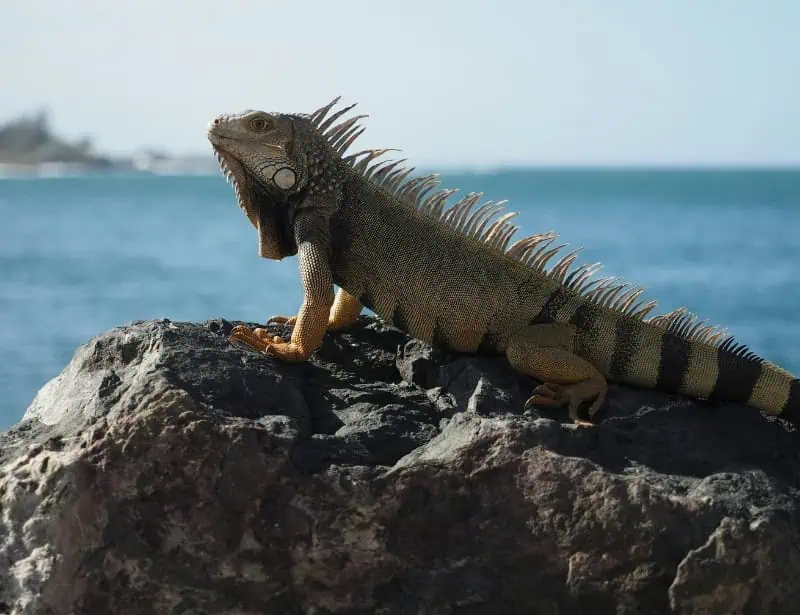
Neil Cox, a leading conservation scientist, puts it clearly: "reptiles play an indispensable role in ecosystems as both prey and predators for many other species." Yet misconceptions create barriers that grassroots education tackles effectively.
Here is an overview of the current population status of major lizard groups.
| Major lizard group | Species | Extinct / Extinct in the Wild | Critically Endangered | Endangered | Vulnerable |
| Iguania | 1,788 | 4 (0.22%) | 71 (3.97%) | 173 (9.68%) | 130 (7.27%) |
| Gekkota | 1,775 | 5 (0.28%) | 95 (5.35%) | 162 (9.13%) | 122 (6.87%) |
| Scincoidea | 1,786 | 11 (0.62%) | 76 (4.26%) | 114 (6.38%) | 104 (5.82%) |
| Anguimorpha | 212 | 0 (0.00%) | 9 (4.25%) | 42 (19.81%) | 11 (5.19%) |
| Lacertoidea | 909 | 2 (0.22%) | 20 (2.20%) | 62 (6.82%) | 26 (2.86%) |
| TOTAL | 6,470 | 22 (0.34%) | 271 (4.19%) | 553 (8.55%) | 393 (6.08%) |
Habitat destruction drives most population declines. Development fragments living spaces while climate change alters temperature and rainfall patterns.
Can communities bridge the gap between research findings and public understanding? People protect what they understand. When communities grasp why lizards matter, they support habitat preservation and smarter urban planning.
Creative Ways to Celebrate
Here's how your World Lizard Day becomes real conservation work:
- Join citizen science programs. Apps like Dragon Finder let you contribute species observations that support research databases and population tracking.
- Create lizard-friendly spaces. Plant native vegetation, add rock basking spots, skip the chemicals. Local species need habitat patches.
- Lead neighborhood lizard walks. Guide community groups through parks to spot and photograph lizards while sharing identification tips.
- Launch photo challenges. Document local diversity through #WorldLizardDay posts that promote species awareness; habitat protection follows awareness.
- Support reptile rescue groups. Volunteer time or donate to organizations doing direct rehabilitation and education work.
- Develop educational content. Create infographics highlighting diversity from Madagascar's tiny leaf chameleon (under one inch) to ten-foot Komodo dragons. If you have favorites, we have dedicated lists of types of iguanas, chameleon facts, and many more.
- Partner with schools. Coordinate age-appropriate reptile lessons during August conservation education programs.
- Advocate for reptile-inclusive planning. Contact city planners about green corridors and native plant requirements supporting urban populations.
- Host themed fundraisers. Organize community events combining education with fundraising for habitat preservation or research.
- Share surprising discoveries. Educate others about findings like New Guinea's green-blooded lizards—evolutionary solutions found nowhere else among vertebrates.
Conservation Impact Through Action
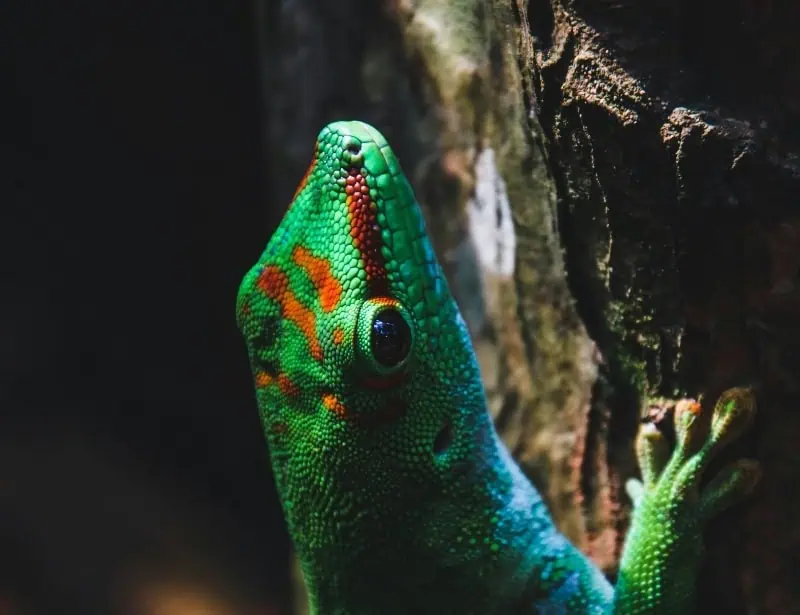
World Lizard Day creates measurable outcomes beyond social media noise. Citizen science contributions provide researchers vital population data for habitat protection decisions.
Programs show strong engagement. Participants contributed 728 reptile records through organized monitoring like the Discovering Reptiles project.
Training effectiveness is clear too. Educational initiatives show lasting behavioral change.
Training programs show that 99% of participants report increased knowledge about reptile needs, and 94% commit to ongoing conservation actions after hands-on experiences. Communities understanding local species become vocal habitat preservation supporters.
They back environmental protection policies year-round. The observance builds informed decision-makers who consider wildlife impacts beyond single awareness days.
Extending Your Impact
Single-day awareness transforms into sustained work through strategic follow-up. Join local herpetological societies connecting you with experienced advocates and research opportunities.
These groups provide year-round species monitoring and habitat protection platforms. Many universities conduct long-term studies tracking population trends. Community volunteers contribute essential data collection support.
In practice, advocate for reptile-inclusive urban planning in your area. City decisions significantly impact local populations through habitat fragmentation and development patterns.
Become a community educator sharing accurate information throughout the year.
But misinformation spreads faster while scientific knowledge needs consistent reinforcement. Trusted local voices make the difference between awareness and action.
Resources:
FAQs (Frequently Asked Questions)
Researchers put their expertise to work on World Lizard Day through hands-on education with the public. Dr. Stanley Fox from Oklahoma State runs Q&A sessions where he shares his field studies about lizard populations. The day gives him a chance to explain his research on how climate change affects these creatures. Scientists like Lesley Labuschagne from South Africa's Association for Marine Biological Research give interviews too. This lets them teach people about why we should care about the 4,000+ lizard species that exist worldwide.
Wildlife ID apps now let people join virtual lizard spotting challenges from anywhere. These digital options have really taken off in recent years. Conservation experts host online workshops where they explain protection efforts and answer questions from participants around the globe. Social media has become a key tool for species documentation projects, with hashtags connecting enthusiasts who post their lizard sightings. Since 2020, digital fundraising for habitat protection has grown through platforms like iNaturalist and HerpMapper where anyone can contribute.
World Lizard Day happens every August 14th, but we don't have solid information about how participation differs between regions. When researchers look at this celebration, they find a lack of comprehensive studies tracking engagement across countries. This points to a gap in our understanding. While the day has international recognition, no authoritative sources provide the detailed regional breakdown that would show us where it's most popular or how cultural factors might shape local events.
The research shows a surprising gap in tracking actual conservation wins from World Lizard Day activities. Studies document the challenges facing lizard populations from climate shifts and habitat destruction. But when it comes to linking specific conservation successes to this awareness day, the evidence just isn't there. This suggests more work is needed to measure outcomes rather than just participation. Conservation biologists tracking lizard populations haven't published data connecting population improvements or habitat protection directly to these annual events.
Barbara is a former journalist who is passionate about translating important causes into engaging narratives. She combines communication expertise with an environmental science background to create accessible, fact-driven content.