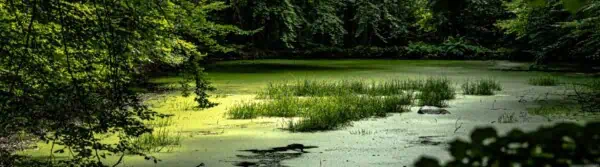
15 Spectacular Swamp Animals To See

Swamps and wetlands are among Earth’s most fascinating ecosystems, teeming with life uniquely adapted to waterlogged environments.
From the elusive mammals of African swamps to the bizarre creatures of Australian swamps, these habitats host incredible biodiversity. Mangrove swamps, in particular, serve as vital nurseries for countless life forms.
This article explores the most intriguing swamp animals, revealing their remarkable adaptations and ecological importance. Prepare to dive into their hidden lives in their homes, where land and water mysteriously intertwine.
15 Animals Living In Swamps and Marshes
Jump to learn more about the following swamp animals:
1. American Alligator (Alligator mississippiensis)

American alligators are alligator species living in freshwater swamps, marshes, lakes, and rivers in the Southern United States, primarily Florida and Louisiana, and northeastern Mexico.
They are also quite speedy despite their short legs. These short legs allow an average alligator to swim 20 miles per hour and gallop on land at 11 miles per hour. The hind legs have four toes, while the front legs have five.
American alligators eat frogs, turtles, snakes, fish, and other small mammals. They are opportunistic feeders who eat anything, including pets, humans, and dead animals.
Most crocodilian species, including crocodiles and caimans, favor swamps and wetlands for hunting and nesting, with dense vegetation offering cover and prey. Yet, a few species, like the Indian gharial, mostly stay in deep, fast-moving rivers rather than swamps. This shows how habitat preference affects species’ unique adaptations.
2. Alligator Snapping Turtle (Macrochelys temminckii)

Living deep in southern US swamps, the alligator snapping turtle survives by blending into muddy waters. Most common across states like Florida and Louisiana, this turtle lures prey using a pink, worm-like tongue.
Mostly carnivorous, its diet includes fish, snails, and sometimes small alligators, though some plant matter is eaten. Their spiky shells and massive size, which can help adults weigh over 200 pounds, help them avoid most predators.
But this species rarely travels, spending nearly its whole life submerged. They are also almost entirely nocturnal, making daytime sightings unusual.
3. Green Anaconda (Eunectes murinus)
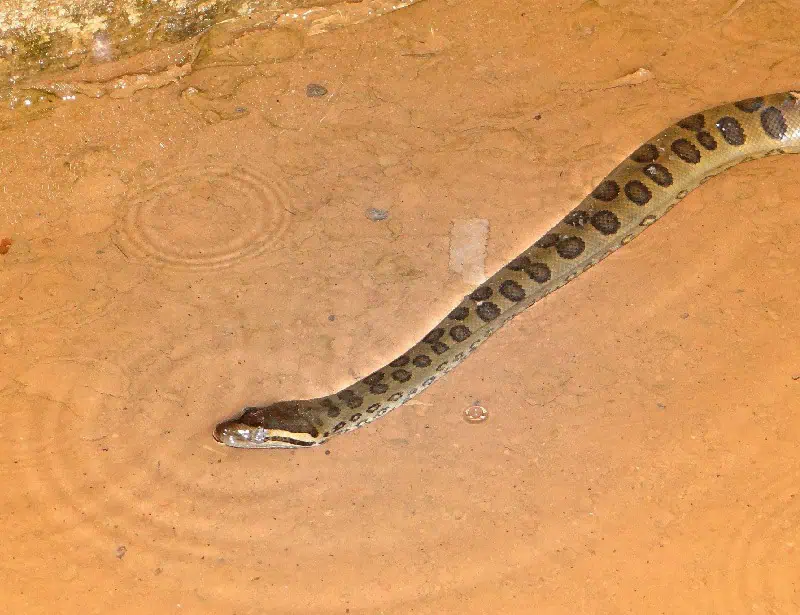
The green anaconda is next on our list of animals that live in wetlands and swamps. It is a member of the boa family and is typically found in the tropical rainforests of the Amazon and the Orinoco basins.
There have been some sightings of anacondas in the Caribbean and Florida. However, they are considered invasive species because they do not have natural predators. The green anaconda is also the world’s heaviest snake, weighing over 250 kg. It tends to grow over 30 feet long, with the females growing larger than the males.
When you are one of the strongest animals, you are less prone to attacks from other predators. The anaconda species spends most of its time in the water but sometimes explores the land around swamps.
4. Florida Softshell Turtles (Apalone ferox)
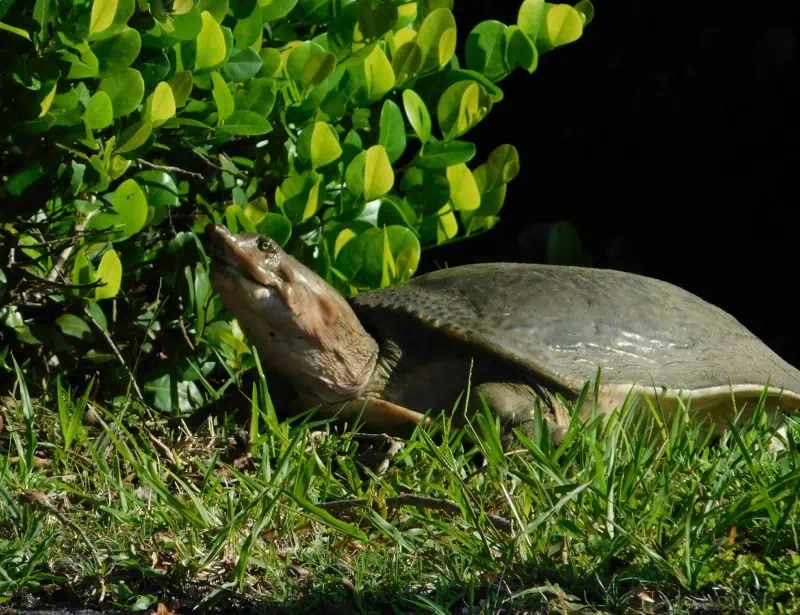
Florida softshell turtles live in marshes, swamps, and other freshwater habitats. They have a leathery, soft, dark brown to olive green, oblong shell. They also have bumps at the back of their heads, tubular nostrils, and webbed feet. The species also experiences sexual dimorphism, where one sex is bigger than the other.
In this case, however, the female Florida softshell turtle is bigger than the male. Grown females are 9 to 11 inches long, while males are 6 to 8 inches long. Their diet contains insects, fish, snakes, snails, and crustaceans.
Scientists have yet to discover the Florida softshell turtle’s lifespan in the wild. However, its lifespan in captivity is 20 to 36 years. The Florida softshell turtle with the longest lifespan lived 36 years and 8 months at the Washington, DC, National Zoological Park.
Black bears, crows, spotted skunks, raccoons, and red foxes prey upon them, rob their nests, and steal their eggs. Large fish, turtles, snakes, birds like eagles, herons, egrets, and armadillos eat juvenile turtles, while alligators feed on full-grown ones.
5. Cottonmouth (Agkistrodon piscivorus)
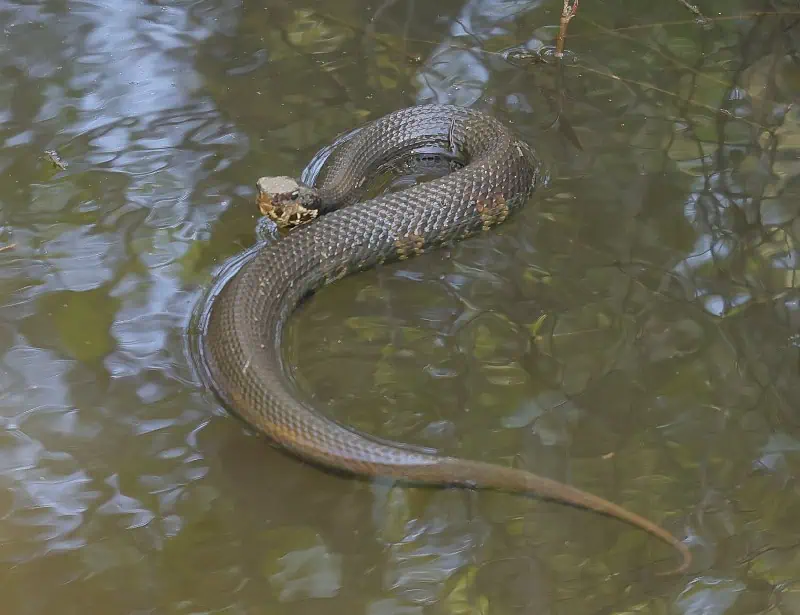
Cottonmouth snakes, found mainly in southeastern U.S. states like Florida and Louisiana, thrive in swampy lowlands. They eat fish, frogs, and small mammals, often hunting at night. Their thick bodies and water-loving habits let them swim effortlessly—while white mouths warn off predators.
Unlike many types of snakes, cottonmouths stand their ground when threatened. Their venom is strong, but most bites come from people stepping too close. What stands out: unlike most snakes, they can swim with just their heads above water for long periods.
6. American Black Bear (Ursus americanus)
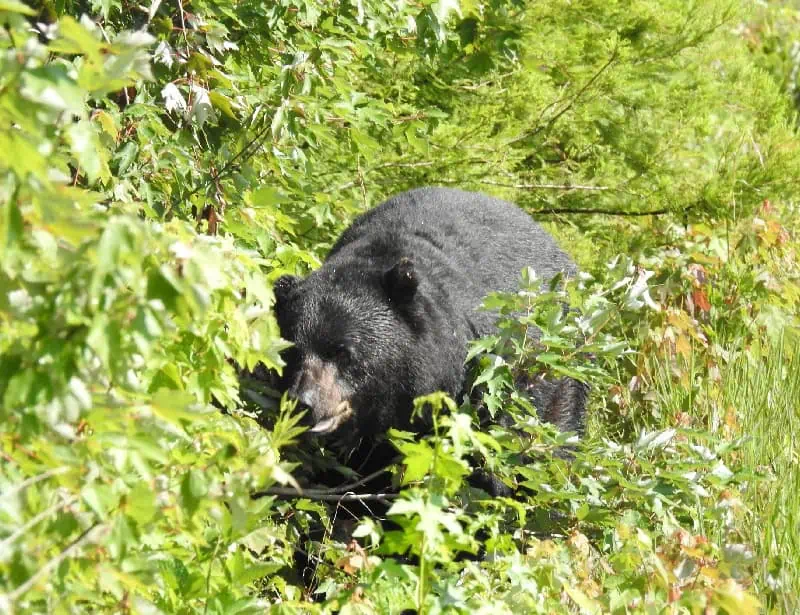
The American black bear is a versatile omnivore that inhabits various ecosystems, including swamps. These bears thrive in swampy regions like the wetlands of Florida and the southeastern U.S., where they forage for berries, insects, and aquatic plants.
Black bears' strong swimming skills help them navigate swampy terrain, while their keen sense of smell aids in locating food. They also use dense swamp vegetation for shelter and protection.
Though generally shy, black bears play a crucial role in maintaining swamp ecosystems by dispersing seeds and regulating prey populations. Visit the Okefenokee Swamp to see the black bear and other swamp animals in the United States.
7. Babirusa (Babyrousa)
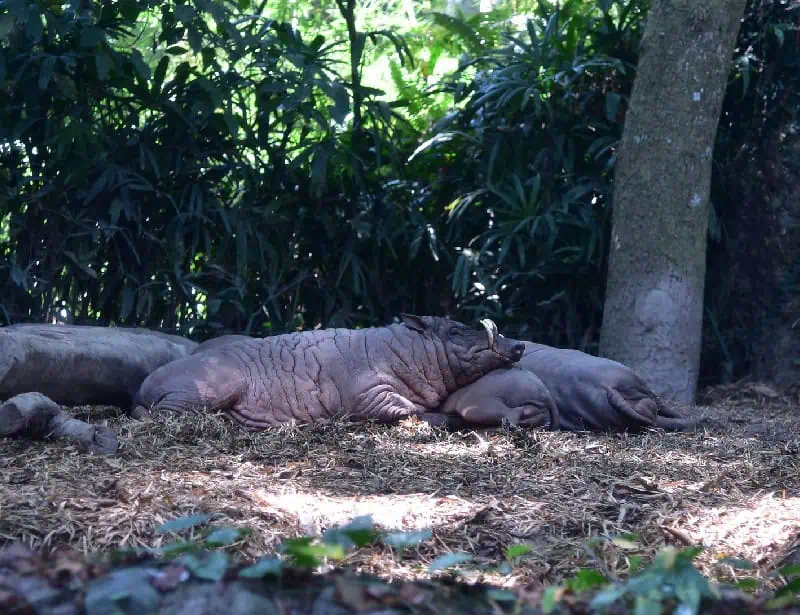
The babirusa or deer-pig is a swine genus native to the Indonesian islands, including Sulawesi, Togian, Sula, and Buru. As one of the most distinctive swamp animals, it inhabits tropical rainforests, mangroves, and waterlogged areas.
It has a round body, a pointed snout, and long, thin legs. Depending on the subspecies, its skin texture varies from rough to smooth, usually brownish grey, brown, or black.
Babirusas have adapted to the wetlands. They use their long legs to traverse muddy terrain and feed on aquatic plants, fruits, and small invertebrates. These swamp animals play a crucial ecological role by aiding seed dispersal. Unfortunately, habitat destruction and hunting threaten their survival.
8. Mangabey (West African Old World monkeys)

Mangabeys in African swamp forests, mainly Gabon and the Republic of Congo, adapt with long limbs for wading and large cheek pouches for storing fruit. While fruit forms most of their diet, they eat seeds, insects, and occasionally aquatic plants. They leap across branches, calling loudly to mark territory.
Interestingly, mud often stains their fur, which helps them reduce irritation from insect bites. Social groups stay close-knit in tangled, flooded areas. They remain elusive and energetic, often seen foraging at dawn. Notably, mangabeys clean and share food among group members, a rare behavior for swamp monkeys.
9. Duck-billed Platypus (Ornithorhynchus anatinus)
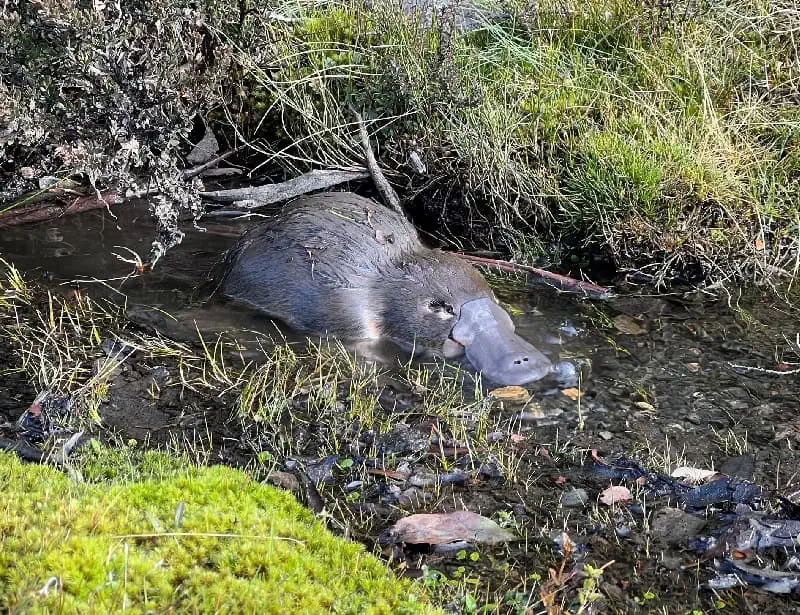
Platypuses live across eastern Australia, favoring swampy creeks and slow rivers. Each night, they hunt aquatic insects, worms, and shrimp, using electroreceptors in their bill.
These egg-laying mammals swim with webbed feet, closing their eyes underwater and relying on touch and electricity. When swimming, platypuses can seal their ears and nostrils completely; this keeps water out.
These monotremes rarely gather in groups, preferring solitary routines among tangled roots and muddy banks.
10. Marsh Rabbit (Sylvilagus palustris)
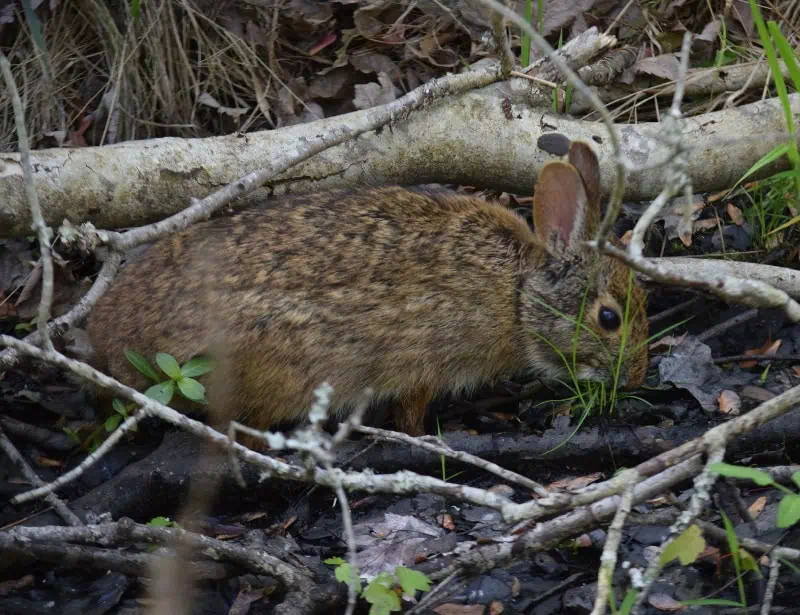
Next on our list of animals that live in swamps is the marsh rabbit, which is commonly found in southeast Virginia, southern Georgia, eastern Alabama, the Florida peninsula, and other areas in the southeastern parts of the United States. The marsh rabbit has the largest population in the Great Dismal Swamp in Virginia and North Carolina, and the Okefenokee Swamp.
The marsh rabbit is a medium-sized rabbit with round ears and small feet. The species’ sparse fur varies from dark brown to reddish brown and is accompanied by a dark belly. An average marsh rabbit weighs 1,200 to 2,200 pounds and measures 17.32 inches long.
These rabbits are semi-aquatic, so their primary food source is land and aquatic plants. They eat blackberries, marsh grasses, centella, marsh pennywort, water hyacinths, rhizomes, bulbs, wild potatoes, and greenbrier vine. In the absence of plants, especially during winter, marsh rabbits eat tree bark to survive.
11. Fishing Cats (Prionailurus viverrinus)
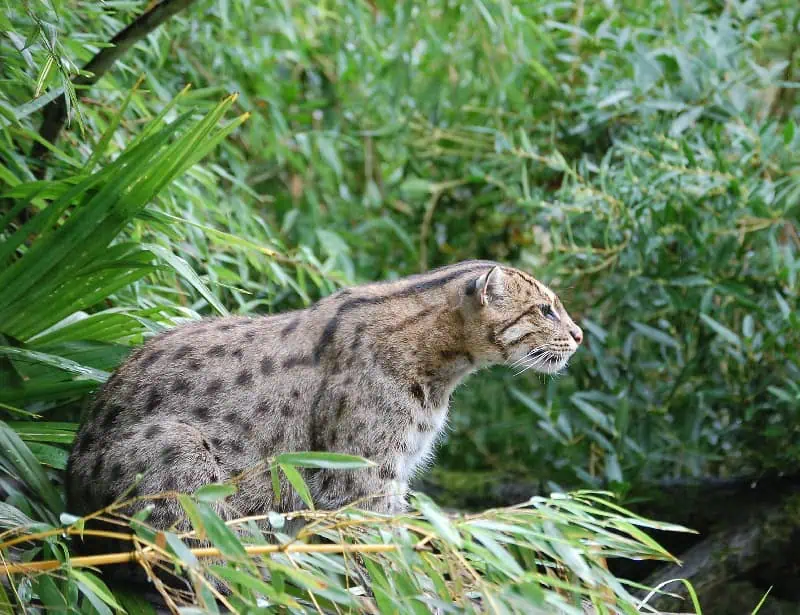
Next on our list are the fishing cats. An average cat measures 33 to 45 inches long and stands over 16 inches at shoulder height. The male fishing cat weighs between 8 and 14 kg, while its female counterpart weighs 5 to 9 kg.
The fishing cat has a strong body with short legs, a round and elongated head, and a muscular tail shorter than that of a domesticated cat. It also has webbed paws and densely packed fur, which prevent water from reaching its skin as it swims.
Speaking of swimming, fishing cats are excellent swimmers, native to wetlands across South and Southeast Asia. They survive by eating anything they find, including small mammals, fish, birds, shellfish, and amphibians.
These swamp animals get the name ‘fishing cat’ from how they hunt fish at the edge of lakes and swamps. They sometimes play with fish in shallow waters before scooping them up.
Unfortunately, the fishing cat species is listed as vulnerable on the IUCN list because of habitat destruction and poaching perpetuated by humans.
12. Shoebill (Balaeniceps rex)

Shoebills spend long hours in East African swamps—mainly Uganda and South Sudan—waiting for lungfish or frogs to surface. Their huge shoe-shaped bill helps snatch slippery prey fast. Standing still for ages, they avoid alarming fish.
Quiet and solitary, shoebills seldom group up. One odd habit: they sometimes poop on their legs, which cools them down in the sticky heat. Not quite what you’d expect from such a scary-looking animal.
13. Great Blue Heron (Ardea herodias)
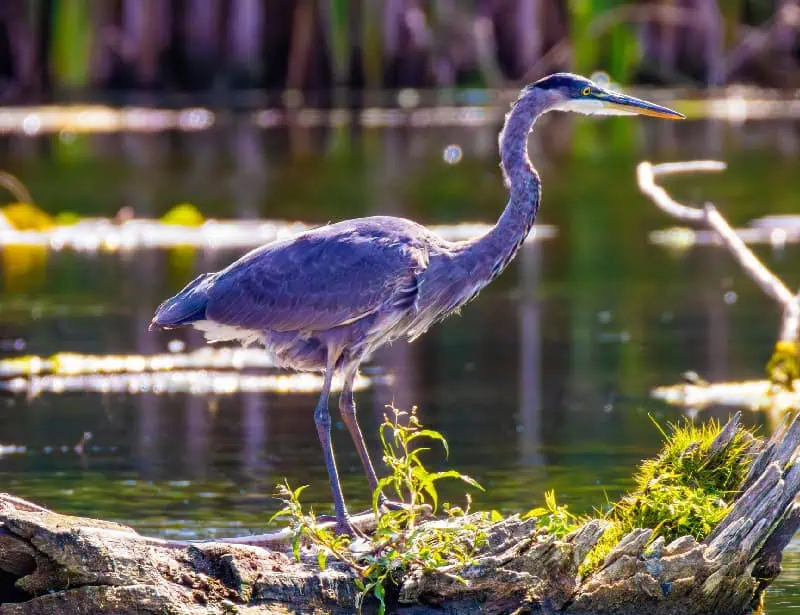
Next on our list of swamp animals is the largest bird in North America, the great blue heron. It has a unique appearance marked by an S-shaped neck and long legs that resemble those on stick figures. The feathers on its throat vary from white to gray, accompanied by a head with a black crown and spear-like, yellow beaks.
You will find these birds with large beaks around the edges of marshes, swamps, and rivers in Central America, Mexico, central Canada, southern Alaska, Nova Scotia, and the Caribbean all year round.
Although its diet is primarily fish-dominant, the great blue heron feeds on frogs, salamanders, turtles, crustaceans, and rodents. It hunts with its sharpened beak as a spear, striking quickly before swallowing the prey whole.
There are also other heron species living in swamps like those of the Fertile Crescent in the Middle East, as well as regions in eastern Australia.
14. Red Swamp Crayfish (Procambarus clarkii)

This dark red crustacean with elongated claws is one of the animals that live in swamps, sloughs, lakes, and ditches across the south-central United States and northeastern Mexico. The red swamp crayfish was also introduced in Hawaii, Japan, and the River Nile. It is 2.2 to 4.7 inches long.
The red swamp crayfish is a migratory animal known to move 2 miles over land in search of a new home. It feeds on aquatic plants, insects, snails, tadpoles, juvenile fish, and other crayfish species. In Michigan, the red swamp crayfish is an invasive species that disrupts the entire food chain for other aquatic animals.
Through burrowing activities, these crustaceans can also damage infrastructure like dams, irrigation systems, levees, and personal property.
15. Largemouth Bass (Micropterus salmoides)
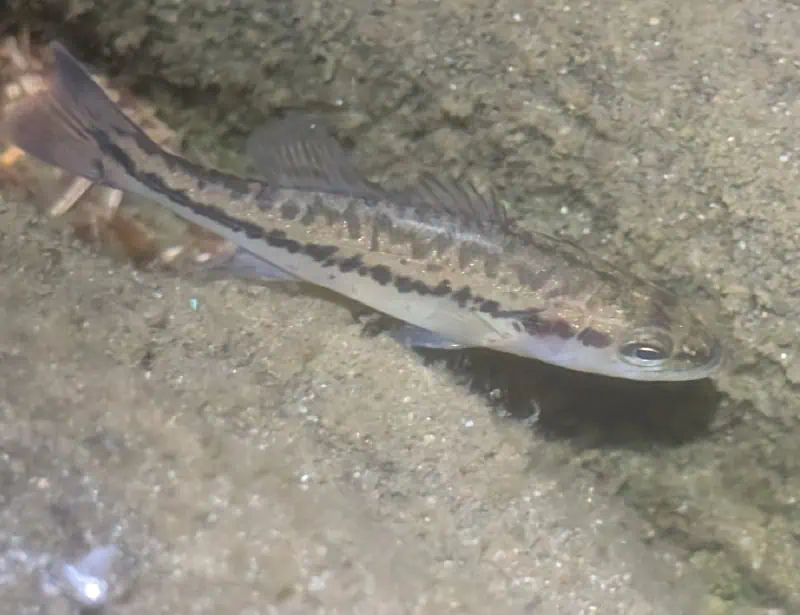
Another animal that lives in wetlands like swamps, lakes, and rivers is the largemouth bass, one of the top recreational fish in the United States. It is native to North America, extending from the St. Lawrence River, the Great Lakes, and Hudson Bay into the Mississippi River basin. You can also find them in the Atlantic drainages in North Carolina, Florida, and Northern Mexico.
The largemouth bass is a slow-moving fish that prefers clear, shallow waters. It weighs about 10.1 kg and measures about 30 to 40 cm long, with the female largemouth weighing more than her male counterpart.
Largemouth bass have internal otoliths that help them hear sounds up to a kilometer away. They also have a lateral line that helps them pick up the vibrations of prey and strike them without actually seeing them.
This fish species preys on crayfish, bluegill, green sunfish, microcrustaceans, and other largemouth bass, while the young ones eat only zooplankton and aquatic insects.
Other Animals Residing In Swamp Habitats

- River Otter
- Capybara
- Hippopotamus
- Beaver
- Flamingo
- Black swan
- Muskrat
- Swamp Wallaby
- Sacred Ibis
- Nutria
Conclusion
Swamps and wetlands are vital ecosystems teeming with fascinating creatures, from elusive mammals like the babirusa to stealthy water snakes. These diverse animals that live in wetlands play crucial roles in maintaining ecological balance. Protecting these habitats ensures the survival of unique species and preserves the rich biodiversity of our planet’s marshlands1.
Glossary Terms:
Jen’s a passionate environmentalist and sustainability expert. With a science degree from Babcock University Jen loves applying her research skills to craft editorial that connects with our global changemaker and readership audiences centered around topics including zero waste, sustainability, climate change, and biodiversity.
Elsewhere Jen’s interests include the role that future technology and data have in helping us solve some of the planet’s biggest challenges.
Fact Checked By:
Isabela Sedano, BEng.
