
National Zoo Lovers Day: Wildlife Conservation Focus

April 8th marks National Zoo Lovers Day. This grassroots celebration turns zoo visits into real wildlife protection. Beyond entertainment, zoos create actual conservation results through visitor support.
Your admission fee funds breeding programs that save species. Educational experiences build lasting awareness. When you visit on April 8th, you're directly supporting global wildlife efforts. What conservation difference will your visit create?
Key Info: National Zoo Lovers Day
- When is National Zoo Lovers Day?
Occurs annually on the 8th of April - This Year (2026):
Wednesday, April 8, 2026 (date has passed) -
Future Dates
- Thursday, April 8, 2027
- Saturday, April 8, 2028
- Sunday, April 8, 2029
- Monday, April 8, 2030
-
Additional Details
- Observed By: Zoo enthusiasts, families, conservation organizations, and educational institutions across the United States
- Where Is It Observed: United States
- Primary Theme: Wildlife Conservation and Education
- Hashtags: #NationalZooLoversDay #ZooLoversDay #ZooLife #WildlifeConservation #ZooAwareness #SaveWildlife #ZooEducation
Quick Links: National Zoo Lovers Day
Why National Zoo Lovers Day Matters for Wildlife Protection
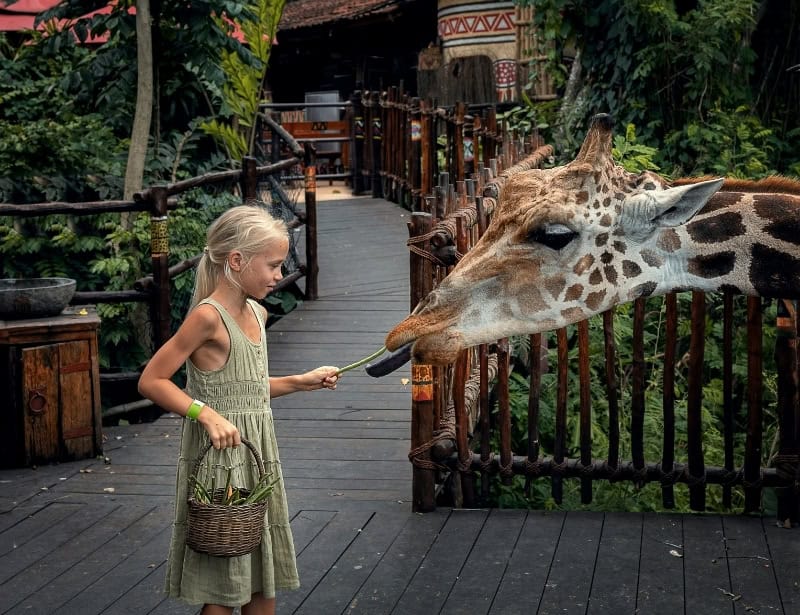
Zoo breeding programs prevent extinctions through species survival plans. Education transforms casual visitors into wildlife advocates; the biodiversity crisis needs immediate action.
Research shows zoo visits produce positive effects on wildlife knowledge and behavior, with an effect size of d = 0.40. Over 700 million people visit zoos globally each year. Repeat visitors are more likely to engage in wildlife conservation. Their engagement determines funding success.
AZA-accredited facilities have invested more than $150 million annually since 2011 in field conservation efforts benefiting hundreds of species across 127 countries.
Educational programs create environmental stewardship that extends far beyond single visits. Individual zoo visits amplify this investment through admission fees; breeding programs restore species from near-extinction through shared efforts happening daily behind the scenes.
Important Ways to Celebrate Zoo Lovers Day
Transform your April 8th visit into lasting impact through these actions:
- Schedule keeper talks to learn about wildlife challenges and breeding breakthroughs
- Join animal adoption programs that directly fund species care and habitat protection
- Explore virtual zoo tours from global facilities showcasing international partnerships
- Support targeted donations through zoo campaigns for endangered species
- Document wildlife photography responsibly to share messages on social media
- Attend educational events focusing on habitat protection and climate change effects
- Research volunteer opportunities in wildlife research, education, and community outreach
- Engage social media by sharing success stories with broader networks
- Investigate breeding programs your local zoo supports to understand species recovery firsthand
- Plan repeat visits throughout the year—repeat visitors show stronger behaviors and knowledge retention.
Behind-the-scenes experiences offer deeper insights. Special admission programs provide access to breeding centers typically closed to public viewing. Zoo memberships create year-round support while providing regular access to updated programming. And exclusive events.
Remember, not all zoos are equal. Check out our fair article on why or why not zoos should be banned.
How Zoos Participate in National Zoo Lovers Day
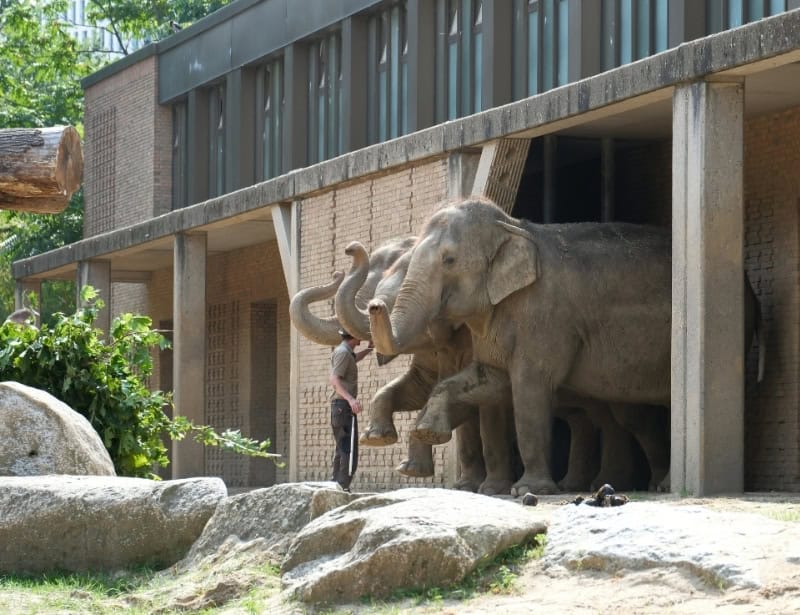
Zoos coordinate special April 8th programming designed for wildlife education. Admission discounts encourage broader community participation; keeper talks provide exclusive insights into daily animal care and ongoing research discoveries.
Wildlife demonstrations showcase breeding techniques and species recovery successes. Dr. Don Moore at the Oregon Zoo explains, "Fighting extinction is always a collaborative effort, and it's an effort at the core of the Oregon Zoo's mission to create a better future for wildlife".
Behind-the-scenes tours reveal research facilities, veterinary care centers, and breeding areas. Educational programming connects visitor experiences directly to global initiatives. This connection matters more than most people realize.
Contact local AZA-accredited facilities to discover unique April 8th offerings.
Wildlife Protection Effect Through Zoo Lovers Day
Numbers reveal effectiveness. Around 195 million visitors annually support AZA-accredited zoos. Over 80 percent of voters actively support zoo-based wildlife efforts; this engagement translates into concrete species protection results.
The California condor shows zoo success. From just 22 individuals worldwide, joint breeding programs have restored populations to more than 450 birds. Zoo research contributes to wildlife medicine breakthroughs and habitat protection strategies worldwide.
Data shows 99 percent of species listed under Endangered Species Act protections have survived and continue recovering. Breeding programs maintain genetic diversity essential for successful reintroduction efforts—without this work, many species would disappear entirely.
Your celebration choices amplify funding effectiveness through admission fees supporting both daily care and field projects.
Taking Action Beyond April 8th
Transform single-day awareness into sustained engagement. Zoo memberships provide ongoing support while offering year-round educational access. Wildlife adoption programs create direct connections between individuals and specific projects worldwide.
Volunteering extends community involvement in research projects. Habitat protection organizations welcome supporter engagement through fundraising events and advocacy campaigns targeting policy change.
Your April 8th zoo visit plants seeds. Seeds that grow into lasting wildlife protection through continued involvement.
Fight for similar advocacy by participating in National Zoo Awareness Day and International Day of Action for Elephants in Zoos.
Resources:
FAQs (Frequently Asked Questions)
Watch live zoo webcams from places like San Diego Zoo. Many facilities run special virtual tours on April 8th. You can donate to conservation projects through zoo websites or share wildlife photos using #ZooLoversDay. Beyond this, online webinars let you connect with keepers and learn about animal care. Some zoos create interactive experiences just for this day.
The Smithsonian National Zoo found that kids learn best through 30-minute programs with music and movement. Pick exhibits that match what your child already likes. This keeps them interested longer. Don't just walk and look though. Ask questions about what animals eat or where they sleep. The real learning happens when you build on what they've seen once you get home.
Most aquariums and wildlife sanctuaries join in too. The Association of Zoos and Aquariums includes both types of facilities in their April 8th programming. Sanctuaries often focus on rescue stories while aquariums highlight marine conservation. Recently, more wildlife rehabilitation centers have started hosting special events. Check their websites since many coordinate activities specifically for Zoo Lovers Day.
Virtual animal adoptions through WWF or specific zoo programs work well. You can join citizen science projects that track wildlife data from your area. This connects to real conservation work that zoos support. Organize a wildlife movie night or nature walk in your community. And social media posts about the day help spread awareness to people who might not know about it.
Look for organizations with charity navigator ratings above 3 stars. The Association of Zoos and Aquariums maintains standards for member facilities - their website lists verified programs. Check if donations go directly to field conservation rather than just facility maintenance. Ask specific questions about how funds get used. Many legitimate programs publish annual impact reports showing exactly where money goes.
Barbara is a former journalist who is passionate about translating important causes into engaging narratives. She combines communication expertise with an environmental science background to create accessible, fact-driven content.
