National Moth Week: Join The Global Citizen Science Movement

Moths turn ordinary summer nights into scientific treasure hunts across backyards worldwide. National Moth Week happens during the last full week of July every year since 2012. The Friends of the East Brunswick Environmental Commission, a small but determined group of nature enthusiasts, started this citizen science project to document moths globally. People in all 50 states and more than 80 countries now upload their findings to biological databases.
This connection between backyard observers and research scientists helps track patterns over time. Each photo adds a data point that conservation efforts can't do without. Their wings tell environmental stories we need to hear.
Key Info: National Moth Week
- When is National Moth Week?
Occurs in the last week of July - This Year (2026):
Saturday 25th - Friday 31st July 2026 (date has passed) - Official Website: National Moth Week
-
Future Dates
- Saturday 24th - Friday 30th July 2027
- Saturday 22nd - Friday 28th July 2028
- Saturday 21st - Friday 27th July 2029
- Saturday 20th - Friday 26th July 2030
-
Additional Details
- Observed By: Citizen scientists, researchers, nature enthusiasts, and educational institutions worldwide
- Where Is It Observed: International
- Primary Theme: Moth Biodiversity and Conservation
- Hashtags: #NationalMothWeek #MothWeek #CitizenScience #Moths #Biodiversity #MothsCount
Quick Links: National Moth Week
Why National Moth Week Matters
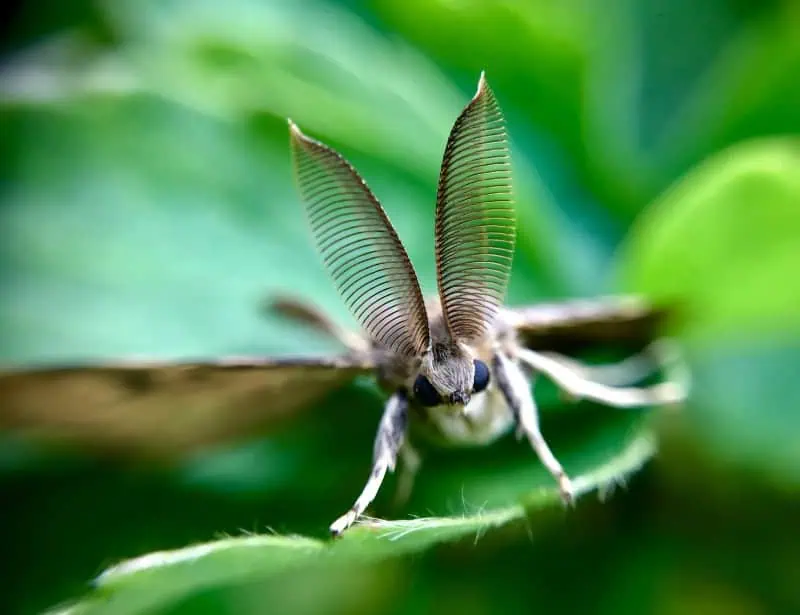
Moths pollinate plants in darkness while feeding birds, bats, and other wildlife throughout their lifecycles. With roughly 160,000+ species of moths, way more than butterflies, they work as early warning systems when ecosystems change. The observations from this concentrated week generate distribution data from places scientists rarely visit.
Climate shifts show up through these yearly documentation efforts because they act as ecological barometers. Signs come from studying population sizes, geographic ranges, and seasonal activity. Research links warming temperatures to earlier emergence and expanding ranges, while habitat loss and agricultural intensification drive population declines, exposing broader ecosystem disruption.
What might your neighborhood's moth community reveal about local environmental health?
Evolution and Global Impact
National Moth Week (NMW) started in just one New Jersey county with modest participation. Today it reaches across six continents with growth in all populated regions. Their protocols ensure quality data while staying beginner-friendly.
Scientists now depend on these observations for research they couldn't do before without mass participation. Since 2015, the project's partnerships with major biodiversity platforms have amplified its scientific effect.
This approach shows how citizen engagement reshapes what we know about insect patterns. And the resulting datasets now guide conservation policies at many levels.
Timeline
First National Moth Week founded in New Jersey by Friends of the East Brunswick Environmental Commission
Expansion beyond US borders to international participation
Partnership with major biological databases established for species mapping
Participation reaches all 50 states and over 40 countries
National Moth Week celebrates 10th anniversary with expanded digital resources
Event spans 80+ countries across six continents with citizen science focus
How to Participate in National Moth Week
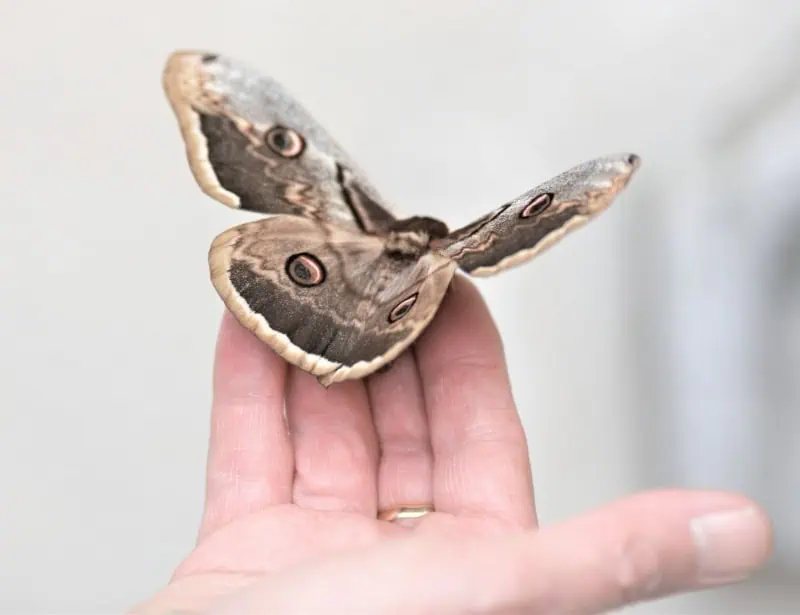
Joining requires almost nothing but gives science everything. Register at nationalmothweek.org to connect your efforts to worldwide research. Ways to join include:
- Backyard Light Setup: Hang a white sheet with a bright light behind it after sunset. Regular outdoor lighting attracts dozens of species; most people find 30+ different moths in one evening.
- Photography: Take clear pictures showing wing patterns, body structure, and size. Most phones now take good enough photos for identification. Different angles help experts verify tricky species later.
- Digital Sharing: Upload what you find to partner platforms like iNaturalist, where algorithms, trained on millions of previous photos, help with initial identification. This database connection, set up in 2015, turns casual observations into permanent scientific records.
- Social Media: Share discoveries with #NationalMothWeek across platforms. This digital connection spreads education beyond traditional science channels. Community happens naturally through shared excitement.
- Daytime Looking: Check tree trunks, walls, and sheltered spots where moths rest during daylight. These techniques welcome everyone regardless of schedule. Kids especially enjoy these treasure-hunt activities.
Organizing a Community Moth Night
Community moth nights create powerful engagement in places urban and rural alike. Pick spots away from competing lights for better species diversity. David Moskowitz, a NMW co-founder, admits that "some of my most exciting moth adventures have been in my own small backyard". This accessibility encourages first-time organizers.
You don't need too much to set up. White sheets, varied light sources (especially UV), and field guides make a functional observation station. Urban settings present challenges but deliver surprising results. City parks yield an average of 22 species per evening according to project data.
Rural events typically discover 40-60 species depending on region and weather. Weather conditions affect results significantly; warm, humid, cloudy nights without strong winds produce the best observations. Signing up through the National Moth Week website connects these local efforts to research databases.
Educational Impact and Resources
National Moth Week gives teachers science curriculum connections across multiple subjects. Their website offers downloadable guides designed specifically for beginners with limited bug knowledge. Some schools have added moth observation to their science programs.
Students develop classification skills, a basic scientific process, while contributing meaningful research data. This suggests broader applications for citizen science in education generally.
Conclusion
National Moth Week transforms regular backyards into research sites every July. This accessible citizen science welcomes everyone regardless of experience or age. These collective observations help track biodiversity changes while connecting people with nature nearby. Your participation supports researchers studying climate effects on insect populations.
Moths deserve more recognition beyond their butterfly cousins or pest stereotypes; their ecological importance becomes visible through this focused yearly study.
Consider joining thousands worldwide for this illuminating celebration of biodiversity.
For related events, also join the National Christmas Bird Count Week and Learn About Butterflies Day.
Resources:
FAQs (Frequently Asked Questions)
For moth watching, you'll need some basic gear. A white cotton sheet works best as your canvas. Hang it up and shine a UV blacklight on it—15 watts minimum does the job. Most people get good photos with smartphone cameras, but anything with macro ability works fine. Bring a field guide or download a moth ID app too. Don't forget something to write with! Temperature gauges and collection containers help if you're getting serious about it. This setup creates the right conditions for practical protection of specimens while still documenting them.
Living in an apartment doesn't mean missing out. Window setups work great if you follow safety rules about heat and electrical connections. Parks near you probably host community moth nights—check the schedule online. Digital participation grows every year, with thousands helping identify moths from home. Some folks transform their balconies with portable lights and sheets. In my building last year, 12 residents joined our rooftop moth count. This suggests community events might be your best option if building rules allow gatherings in common areas.
Moths fly most on dark, warm nights without wind. Since 2016, Friends of the Wissahickon data shows humidity above 65% brings out the most species. Red light helps you see without scaring them away. Try making a bait mix with bananas and beer—it attracts different moths than lights do. Weather patterns affect which species appear. Beyond this, registering your observations helps researchers track population changes across regions. When storms threaten, reschedule rather than risk equipment damage or personal safety.
Documentation starts with clear photos. Take shots from different angles—top views show wing patterns while side angles capture body details. Your exact location matters, so record GPS points when possible. Note the date, time, and basic weather conditions. Scientists value behavior descriptions and plant associations. In 2022, over 40,000 observations helped map species distributions. This relates directly to conservation planning. Submit everything through iNaturalist or Moths Count, which format the data for research teams. Their simple forms walk you through each required field.
Safety comes first during night outings. Never go alone—pairs or small groups protect everyone involved. Carry backup lights and keep your phone charged. Tell someone where you're going and when you'll return. Bug spray and proper clothes make the experience more comfortable. Local parks have their own rules about night access. Stay at least three feet from electrical equipment, especially in wet conditions. Today most accidents happen from trips and falls rather than wildlife encounters. But bringing basic first aid supplies makes good sense for any outdoor activity.
Barbara is a former journalist who is passionate about translating important causes into engaging narratives. She combines communication expertise with an environmental science background to create accessible, fact-driven content.