
National Love a Tree Day: Simple Ways to Save Our Forests

Trees get their own special day on May 16. While Arbor Day focuses on planting new trees, National Love a Tree Day asks us to notice and appreciate the ones already standing tall. This celebration fits into the yearly environmental calendar as a chance to stop and recognize what existing trees do for us each day.
The day itself stays pretty simple—just take time to connect with trees.
Key Info: National Love a Tree Day
- When is National Love a Tree Day?
Occurs annually on the 16th of May - This Year (2026):
Saturday, May 16, 2026 (date has passed) -
Future Dates
- Sunday, May 16, 2027
- Tuesday, May 16, 2028
- Wednesday, May 16, 2029
- Thursday, May 16, 2030
-
Additional Details
- Observed By: Environmental organizations, educational institutions, community groups, and general public
- Where Is It Observed: United States
- Primary Theme: Environmental Conservation and Education
- Hashtags: #LoveATreeDay #TreeConservation #TreeAppreciation #NatureLover #EnvironmentalAwareness #TreeProtection
Quick Links: National Love a Tree Day
Why Bother With a Tree Day?

Trees do more than stand around looking pretty. They lock away roughly 45% of all land carbon in forests worldwide. This makes them key allies in our climate challenges. Wildlife finds homes in and around trees.
And people? We feel better when we spend time near them.
Studies show that just 20 minutes among trees cuts down our stress hormones. Ever wondered how your mood shifts after sitting under a leafy canopy? The mental boost we get from trees works alongside the ecological services they quietly provide every day.
Dr. Scott Torreano, who teaches Forestry at Sewanee, puts it well: "Trees and the wood in the trees are environmental proxies. They don't lie. We can sample them and figure out what was going on when they were alive."
How This Tree Day Started
The environmental movement of the 70s laid the groundwork for days focused on nature appreciation. National Wildlife Federation backed this tree day as part of their wider Garden for Wildlife Month programs[1]. They picked May because—in most of North America—trees show off their full leaves then.
The day grew mostly through grassroots efforts, without big corporate backing or formal government declarations. Teachers and nature guides found it fit nicely alongside other environmental dates.
Since 2011, the NWF has tied tree appreciation to their broader work with native species and habitat programs through teaching materials and certification projects.
The Day's Timeline
Environmental awareness took off. People started creating special days to highlight nature. Conservation groups ran education programs across the country.
Nature appreciation days broke free from Earth Day's shadow. Tree appreciation gained its own identity. More people joined local celebrations.
The day showed up regularly on environmental calendars. Schools and families could find ideas online. Nature organizations created lesson plans and activity guides.
Social media—with hashtags like #LoveATreeDay—spread the word faster. People from all over shared their tree experiences. Posting tree photos became the easiest way to join in.
Each year brings the same themes rather than new campaigns. The focus stays on appreciation, not just planting. Schools work the day into spring nature lessons.
Real Ways to Celebrate National Love a Tree Day
A tree walk with an ID app on your phone makes for a simple solo activity. Learning which trees naturally belong in your area helps you understand your local ecosystem better.
Families can create "tree journals" with stories and pressed leaves. Kids love touching different bark textures and collecting fallen leaves.
In classrooms, students learn fascinating science, like how trees talk to each other through underground networks. Community groups sometimes hunt for the oldest tree in town, sharing stories about what that tree has witnessed.
People stuck inside can still join by sharing tree memories online by posting a tree planting quote, or learning about endangered trees in the United States.
Activities That Work
| For Who | What To Do | What You'll Need | How Long |
|---|---|---|---|
| Just You | Walk and identify native trees (oak, maple, pine) | Phone with tree ID app | 30-60 min |
| Families | Make "tree journals" with stories and leaf pressings | Notebook, scissors, leaves | 1-2 hours |
| Classes | Learn how trees communicate underground | Field guides, magnifying glass | About 1 hour |
| Groups | Find the oldest neighborhood tree and tell its story | Maps, camera | 2-3 hours |
| Online | Share your favorite tree memories on social media | Photos, #LoveATreeDay | 15-30 min |
How It's Different From Other Tree Days
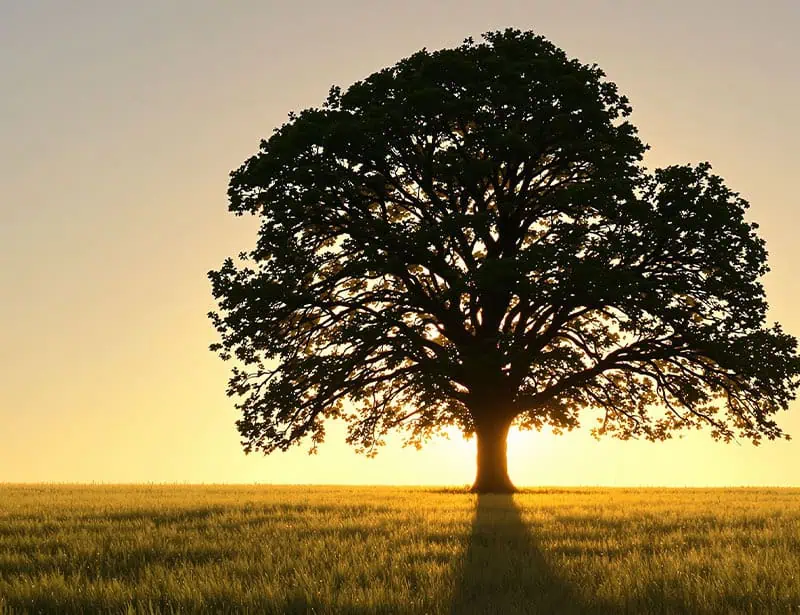
This celebration asks us to observe and connect—not plant. That makes it different from Arbor Day, which focuses on getting new trees in the ground. International Day of Forests deals more with protecting whole forest systems and policies.
May 16 comes when deciduous trees display their fresh leaves, making it the perfect time to notice details.
This relates to the day's core idea: building relationships with individual trees. While other celebrations look at forests broadly or count new plantings, Love a Tree Day feels more personal.
Tree Connections Beyond Just One Day
The awareness that starts on May 16 can grow into year-round tree watching. Citizen science projects need volunteers to count and measure local trees. The data helps track urban forest health over time.
The Nature Conservancy offers ways to stay involved with forest protection after the day passes. American Forests works on policy changes to protect more trees.
Small actions add up—especially when whole communities make the effort.
Many parks departments train volunteer "tree stewards" who help care for public trees throughout the year.
Jon Naranjo from the National Wildlife Federation points to deeper knowledge sources: "Indigenous Peoples hold thousands of years of intergenerational knowledge and traditional ecological knowledge that is intrinsic in managing forests, waterways, wildlife, and lands."
Final Thoughts
National Love a Tree Day gives us a yearly reminder on May 16 to reconnect with the trees that support our lives. When more people value trees, communities protect them better.
Trees stand as living witnesses to history while securing our ecological future.
Your participation—even something simple—spreads awareness that lasts.
Future generations deserve healthy tree canopies. For many of us, strong connections with particular trees spark lifelong conservation commitments.
This May 16, take time to truly see the trees near you. Touch their bark. Sit in their shade. Listen to their leaves in the breeze. These silent companions have shaped human experience for thousands of years; our appreciation helps ensure they'll continue to do so.
Resources:
FAQs (Frequently Asked Questions)
Mature trees make city air cleaner through their big leaf canopies that trap pollution particles. Their shade helps cool urban areas. When it rains, these older trees absorb way more water than younger ones. This reduces flooding in city streets. Their extensive root systems and dense foliage also help cities withstand environmental challenges over time.
Most cities protect their oldest trees with special laws that require permits for cutting or major pruning. In Washington D.C., the rules are strict - cut a heritage tree without permission and you'll face fines based on how thick the trunk is. Menlo Park uses a similar approach, making property owners pay penalties for unauthorized tree work. These protections vary widely between different towns and cities.
Today's tree care experts use apps like iNaturalist to identify species and TreeKIT for creating detailed maps. Regular people interested in trees can add information to urban forest databases using these tools on their phones. Arborists look deeper, using equipment like sonic tomography that checks a tree's health without cutting into it.
USDA research shows spending time near trees reduces stress and anxiety levels in city residents. People who regularly visit green spaces have fewer depression symptoms and better overall mental health, according to Harvard researchers who tracked participants over time. Trees provide a natural mental reset that synthetic environments simply can't match.
Native trees feed local wildlife better because they evolved together over thousands of years. For instance, native trees supoprt suppoorts hundreds of catterpilar species, while non-natives support a few. When birds need caterpillars to feed their young, this difference matters. Non-native trees often take space and resources without giving much back to the ecosystem. This creates gaps in the food chain.
Sources & References
- [1]
- National Wildlife Federation. (2011). The Five Best Ways to Celebrate Love A Tree Day
↩
Barbara is a former journalist who is passionate about translating important causes into engaging narratives. She combines communication expertise with an environmental science background to create accessible, fact-driven content.
