National Invasive Species Awareness Week: Essential Guide

Every animal is essential to the ecosystem, but when it is not native, it can do more harm than good. National Invasive Species Awareness Week tackles this mounting problem every February's last full week. The North American Invasive Species Management Association coordinates this annual effort. NAISMA brings together government agencies, tribal nations, nonprofits, and academic institutions for practical protection measures.
"Invasive species are one of the greatest threats to our ecosystems and economy," explains Christie Trifone Millhouse, NAISMA's Executive Director. The week raises awareness about invasive species impacts on ecosystems, economy, and human health; your participation strengthens community defenses against ecological and financial devastation.
Key Info: National Invasive Species Awareness Week
- When is National Invasive Species Awareness Week?
Occurs in the last week of February - This Year (2026):
Monday 23rd - Friday 27th February 2026 (date has passed) - Official Website: NAISMA NISAW Program
-
Future Dates
- Monday 22nd - Friday 26th February 2027
- Monday 21st - Friday 25th February 2028
- Monday 19th - Friday 23rd February 2029
- Monday 18th - Friday 22nd February 2030
-
Additional Details
- Observed By: Government agencies, tribal nations, nonprofits, academic institutions, and community groups
- Where Is It Observed: North America
- Primary Theme: Invasive Species Prevention And Management
- Hashtags: #InvasiveSpeciesAwarenessWeek #NISAW #InvasiveSpecies #NAISMA #EcosystemProtection #BiodiversityConservation
Quick Links: National Invasive Species Awareness Week
Why This Week Matters to You

Invasive species cost North America $1.26 trillion between 1960 and 2017, with economic damage climbing from $2 billion annually in the 1960s to over $26 billion per year today. That's more than most countries' entire GDP going down the drain.
Invasive species hit your daily life in ways you rarely connect. Zebra mussels clog water intake pipes, forcing utility rate hikes. Emerald ash borers kill trees lining your neighborhood streets. Property values drop.
These biological invaders drive up grocery bills through agricultural destruction. They close beaches when algae blooms explode. Some species carry diseases that directly threaten human health. Others damage infrastructure and strain municipal budgets you ultimately fund.
But here's the thing: your awareness becomes the first defense line. Early detection prevents small problems from becoming expensive disasters.
What does community vigilance actually accomplish? It protects local ecosystems and economic interests. Individual actions multiply into collective impact when coordinated during awareness week. Prevention costs pennies compared to control dollars.
Timeline of the Movement
Executive Order 11987 directs federal agencies to restrict the introduction of exotic species into U.S. natural ecosystems.
Zebra mussels started to spread rapidly through the Great Lakes, prompting new federal action to prevent and control aquatic nuisance species.
The Nonindigenous Aquatic Nuisance Prevention and Control Act establishes a federal framework for preventing and controlling aquatic invasive species.
The Asian longhorned beetle is discovered in Brooklyn, New York, triggering federal and state eradication and quarantine efforts.
The brown tree snake's severe impact on Guam and the spread of invasive species nationwide contribute to stronger federal coordination, including creation of the National Invasive Species Council.
The Weed Science Society of America establishes National Invasive Weeds Awareness Week to raise awareness of invasive weeds.
Emerald ash borer is detected in Michigan, beginning a major federal and state response to an invasive pest that would kill tens of millions of ash trees.
Congress passes the Brown Treesnake Control and Eradication Act to control the species on Guam and reduce its spread to other U.S. areas.
National Invasive Weeds Awareness Week expands into National Invasive Species Awareness Week (NISAW), with the National Association of Invasive Plant Councils (now NAISMA) among the organizations supporting the broader all-taxa event.
Executive Order 13751 strengthens coordinated federal action to prevent, control, and manage invasive species.
The Department of the Interior releases its 2021–2025 Invasive Species Strategic Plan to coordinate prevention, management, and collaborative conservation across the department.
When February Arrives: Your Weekly Action Plan

Monday focuses on learning. Enroll in one of NAISMA's invasive species courses. Attend educational webinars. Read about the impact of invasive species in under seven minutes.
Share your knowledge Tuesday by posting awareness content with official hashtags. Create educational social media series. Develop community presentation materials. This relates directly to expanding awareness beyond your immediate circle.
Wednesday brings identification practice. Download local species identification guides for quick reference. Practice identification in your area during lunch breaks or walks. Map invasive populations using GPS technology if you want serious involvement.
Thursday emphasizes volunteering across your local area. Report sightings to state environmental agencies. Join organized removal events. Coordinate group volunteer activities if you're ready to lead.
Friday centers on advocacy. Contact your representative to recognize NISAW and request policy initiatives. Schedule meetings with local officials.
Weekend planning starts with subscribing to year-round monitoring alerts. Research local invasive species task forces. Design prevention strategies that fit your routine.
From Awareness Week to Year-Round Action
NAISMA's event calendar lists local participation opportunities, webinars, and downloadable educational toolkits for ongoing community outreach.
Transform this week's awareness into daily vigilance by reporting sightings to EPA, USDA, or state environmental agencies. Beyond this, join local invasive species task forces for regular involvement.
In practice, incorporate prevention habits into outdoor recreation activities and travel routines. This builds lasting protective measures.
"This technology will end up being critical because it's a more efficient way to detect invasive species, as well as rare species," notes Laura Hubbard, Program Manager for the National Park Service Sonoran Desert Network. Your sustained action protects ecosystems and communities beyond February's boundaries.
And start with one consistent practice matching your interests and availability. Prevention works best when more people understand the risks. Their role in protecting local environments creates general progress through practical protection efforts.
Resources:
FAQs (Frequently Asked Questions)
Your report feeds into early detection systems. Research from IPBES and USGS points to these as the most cost-effective management tools available. But here's the catch - does your local agency actually act fast? Beyond this, increased reporting creates better monitoring. Real protection happens when your area's environmental teams jump on the information quickly. Make sure your report reaches the right local wildlife agency, not just a general hotline.
Volunteer with local groups doing actual removal work. The National Invasive Species Information Center tracks these efforts year-round. Citizen science apps let you keep reporting sightings too. In practice, daily prevention works best - clean your gear before outdoor trips and plant native species on your property.
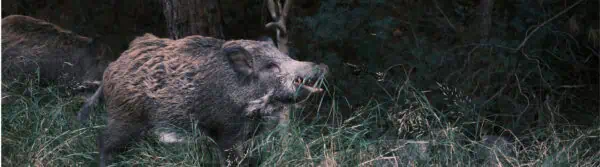
Feral hogs and emerald ash borers top priority lists nationwide. The Western Governors' Association survey shows these species create the biggest headaches for coordinators. Your state wildlife agency offers region-specific guides. This suggests focusing on what's actively spreading in your area rather than memorizing every possible invader.
Individual impact is tough to measure directly. But collective action builds real momentum - Maryland's northern snakehead campaign saw reports jump from 18 in six years to 277 in 27 months. This relates to a broader pattern though. Cambridge research found only 17% of awareness campaigns produce measurable biological results. Your participation matters when it's part of coordinated efforts with clear goals like reporting or prevention.
Data flows into centralized systems like EDDMapS and USGS databases. These compile millions of observations from citizen scientists and agency monitoring. Scientists and land managers use this information for early detection and rapid response decisions. In practice, this coordination enables both immediate control efforts and better long-term prevention strategies.
Barbara is a former journalist who is passionate about translating important causes into engaging narratives. She combines communication expertise with an environmental science background to create accessible, fact-driven content.