
National Christmas Bird Count Week: Join The Conservation

Every December, something remarkable happens across the Western Hemisphere. Tens of thousands of volunteers step outside with binoculars and counting sheets, participating in the world's longest-running wildlife survey. The National Christmas Bird Count Week runs from December 14 through January 5. It connects citizen scientists across 124 years of conservation history.
Frank Chapman started this tradition in 1900 as an alternative to Christmas hunting competitions. His vision transformed seasonal destruction into a scientific contribution.
Today, the National Audubon Society coordinates this massive effort spanning 2,693 count circles; over 83,000 participants now document millions of individual birds annually. Their observations power conservation decisions worldwide.
Head over to the official page and sign up to participate. Fill up three weeks of your winter with birdwatching and contributing to science.
Key Info: Christmas Bird Count
- When is Christmas Bird Count?
Annual 23-day period from December 14 to January 5, with individual count circles selecting one specific day within this window for their local bird count - Official Website: National Audubon Society
-
Additional Details
- Observed By: Birdwatchers, citizen scientists, and conservation volunteers across the Western Hemisphere
- Where Is It Observed: Western Hemisphere
- Primary Theme: Citizen Science Bird Conservation
- Hashtags: #ChristmasBirdCount #CBC #BirdCount #CitizenScience #BirdConservation #Audubon #Birdwatching #WildlifeSurvey
Quick Links: National Christmas Bird Count Week
Why This Century-Old Survey Powers Modern Conservation

Bird populations face serious challenges across North America. According to research by Rosenberg et al., the continent has lost 2.9 billion breeding birds since 1970[1]. This represents a 29% decline affecting everything from backyard songbirds to grassland species.
The Christmas Bird Count provides the long-term data that reveals these troubling patterns. Grassland birds experienced the most severe losses. Over 700 million individuals disappeared.
Common species like Red-winged Blackbirds declined by 92 million birds—these aren't just numbers on spreadsheets. Each count represents a species struggling against habitat loss, climate change, and environmental pressures. What makes this survey key for researchers? The consistent methodology spanning more than a century creates datasets that climate scientists can't find elsewhere.
They use Christmas Bird Count information to track range shifts northward and coastward. Conservation organizations rely on volunteer research to identify species needing protection before populations crash completely.
Snow Geese moved northward by 326 miles while other species shifted coastward, providing clear evidence of environmental change impacts. In practice, this data shapes protection decisions for vulnerable populations.
Timeline: From Conservation Vision to Global Science
Frank Chapman establishes first Christmas Bird Count with 27 participants across 25 locations
Event expands beyond initial territories as conservation alternative to hunting traditions
Participation reaches 40,000 volunteers annually across North America
Record-breaking 83,000+ participants contribute data from throughout Western Hemisphere
Understanding Count Circles and Participation Methods
The Christmas Bird Count operates through defined territories called count circles. Each circle spans 15 miles in diameter, creating standardized survey areas that researchers can compare year after year. Local coordinators manage these territories, organizing teams and ensuring consistent data collection.
Count day happens once during the official window between December 14 and January 5. Teams spread throughout their assigned circle, documenting every bird species they encounter. This one-day effort captures winter bird populations across different habitats.
Beginners often worry about bird identification skills—but teams welcome all experience levels. Experienced birders lead groups, sharing knowledge while newcomers contribute extra eyes and ears.
Beyond this, many participants discover that their identification skills improve rapidly through fieldwork. The practical approach means everyone contributes meaningfully regardless of skill level.
Here's how first-time participants can get involved: Contact your local count coordinator several weeks before count day. Register for a specific team within your preferred circle. Prepare appropriate winter clothing and basic equipment like binoculars. Join your assigned team on the count morning for field instructions.
Getting Involved in Your Local Christmas Bird Count
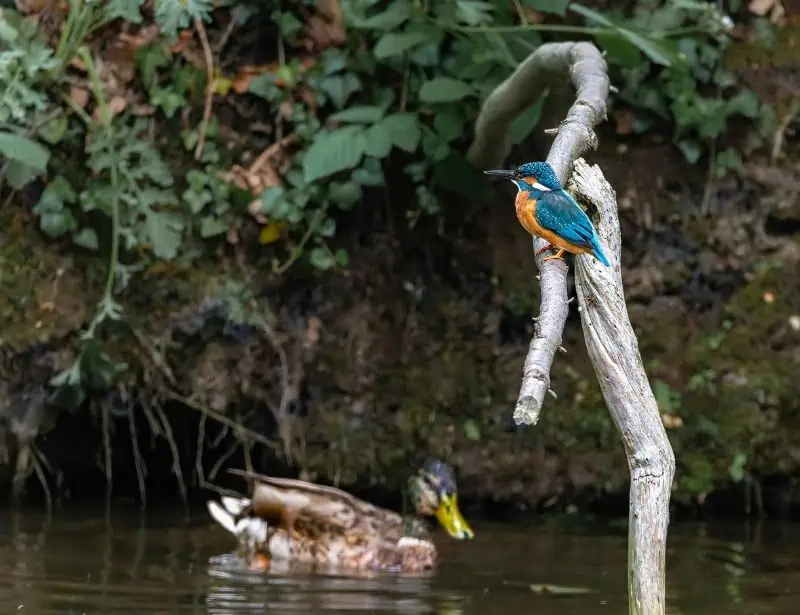
Finding your local Christmas Bird Count starts with the National Audubon Society website. Their count finder tool connects you with nearby coordinators and active count circles. Most areas have multiple counts throughout the official window, giving several participation opportunities.
Essential equipment includes warm, layered clothing for winter conditions. Binoculars help with bird identification, though many teams have extras for newcomers. Field guides assist with species identification, but experienced team members handle most complex identifications anyway.
No advanced birding skills required. Teams pair beginners with experienced volunteers who handle tricky identifications. Your contribution involves spotting birds, counting individuals, and recording locations. Many participants discover new birding skills through this shared learning.
Registration typically opens months before December. Early registration helps coordinators plan team assignments effectively.
Celebrating National Christmas Bird Count Week Beyond Field Participation
Organizations and schools recognize National Christmas Bird Count Week through educational programming and awareness activities. Libraries host bird identification workshops and volunteer research presentations. Nature centers schedule special programming connecting visitors with local count opportunities.
Social media campaigns using #ChristmasBirdCount share count experiences and conservation messages. Community groups organize indoor celebrations featuring bird photography exhibits and family-friendly identification activities. Museums create temporary displays highlighting local bird species and population trends.
Individual supporters contribute by sharing count stories, promoting volunteer opportunities, and highlighting bird conservation needs. Businesses can sponsor local count circles or host employee volunteer days.
And simple social media posts about backyard birds during count week help raise awareness about environmental research. This awareness translates directly into conservation support.
Since 2000, schools have integrated count data into science curricula, teaching students about population monitoring and climate impacts through real research.
Appreciate more birds all year round when you go outdoors. Open your ears as you search for our favorite songbirds.
Resources:
FAQs (Frequently Asked Questions)
Your count data feeds straight into the National Audubon Society's main database. Researchers across the globe tap this information for studies on bird populations, climate impacts, and conservation work. Scientists at Cornell's Lab of Ornithology said the database powers major publications each year. The numbers also sync with eBird, so you can track your personal contributions. Each count circle publishes annual reports showing population shifts over 20+ years. This data shapes real wildlife management decisions.
Safety comes first, always. Count coordinators watch weather forecasts and call off dangerous conditions. Light snow? Most counts continue with proper gear. Ice storms or severe weather warnings mean cancellation. Some circles reschedule within the December 14-January 5 window. Others record the weather event as a valid zero-count data point. Always check with your coordinator that morning before heading out. Your local contact will have the final word on conditions.
Absolutely - the count works around different schedules and abilities. Many circles run shorter 2-4 hour shifts instead of all-day commitments. Backyard feeder watching counts as real participation. You monitor your yard birds during count day and report to your local coordinator. Some folks help with data entry rather than field work. Contact your local coordinator about options that fit your time and physical situation. The event needs all kinds of help.
No special technology required. Joining costs nothing through your local Audubon Society chapter. Most participants bring basic binoculars and dress for winter weather. Contact your nearest chapter or check the National Audubon Society website to find counts in your area during the December window. Some teams use radios for coordination, but coordinators provide equipment when needed. Paper and pencil still work fine for recording birds.
Each 15-mile circle gets divided into sectors with specific teams assigned to each area. Teams receive boundary maps before count day and stay in radio contact with sector leaders. Experienced birders record exact locations and times for notable sightings. This prevents the same bird from getting counted twice by neighboring teams. The sector system covers the entire circle while keeping the science accurate. Radio communication helps when rare birds show up near boundaries.
Sources & References
- [1]
- Rosenberg, K. V., et al. (2019). Decline of the North American avifauna. Science, 366(6461), 120-124.
↩
Barbara is a former journalist who is passionate about translating important causes into engaging narratives. She combines communication expertise with an environmental science background to create accessible, fact-driven content.
