Butterfly Education and Awareness Day (BEAD)
Butterfly Education and Awareness Day (BEAD) is an international event organized by the Association for Butterflies (AFB) on the first Saturday of June. This day teaches us how butterflies influence the ecosystem and how preserving butterfly habitats and promoting sustainable practices can ensure their survival.
Key Info: Butterfly Education and Awareness Day
- When is Butterfly Education and Awareness Day?
Occurs on the 1st Saturday of June - This Year (2026):
Saturday, June 6, 2026 (date has passed) - Official Website: Association for Butterflies
-
Future Dates
- Saturday, June 5, 2027
- Saturday, June 3, 2028
- Saturday, June 2, 2029
-
Additional Details
- Observed By: Environmental organizations, butterfly enthusiasts, conservation groups, educators, and the public
- Where Is It Observed: International
- Primary Theme: Butterfly Conservation and Education
- Hashtags: #BEAD #ButterflyDay #ButterflyAwareness #ButterflyEducation #SaveTheButterflies #ButterflyConservation
Quick links: Butterfly Education and Awareness Day
Why Butterfly Education and Awareness Day Matters
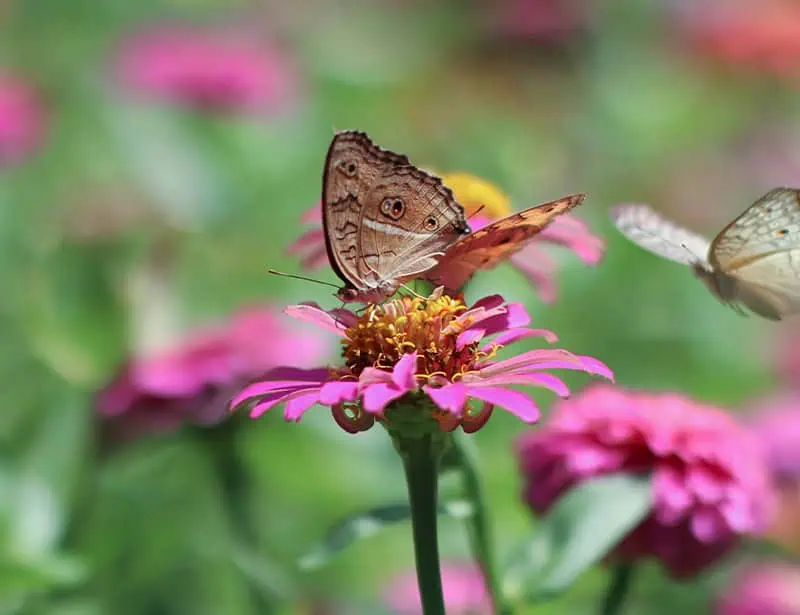
Butterflies are members of the order Lepidoptera, comprising approximately 20,000 species worldwide. As we all know, butterflies are pollinators, facilitating the reproduction of flowering plants as they seek nectar.
Moreover, they can indicate environmental changes thanks to their sensitivity to climate and habitat alterations. Thriving butterfly populations often signify a healthy ecosystem, while declining numbers could signal ecological issues.
The Association for Butterflies (AFB) is a non-profit organization dedicated to conserving butterflies, through education, research, and supporting professional butterfly farmers.
The AFB officially designates the second Saturday in June as Butterfly Education and Awareness Day. BEAD aims to raise awareness by highlighting the significance of butterflies in our ecosystem and the threats they face.
Today, butterfly conservationists actively address the lack of awareness about their importance and the impact of habitat destruction, climate change, and pesticide use. Overcoming these challenges requires widespread education and efforts to enact meaningful change.
Data and Statistics
A study concluded an 84% decline in eastern migratory monarch populations from 1996 to 2014.
As of this writing, the International Union for Conservation of Nature (IUCN) has classified 58 butterfly and moth species as critically endangered.
Climate change is the leading cause of butterfly decline. This extra stress during their overwintering phase is harmful. A study spanning 72 sites and 262 species concluded a 96% probability of a 1.6% yearly butterfly population decrease over the last 40 years.
How to Protect Butterflies
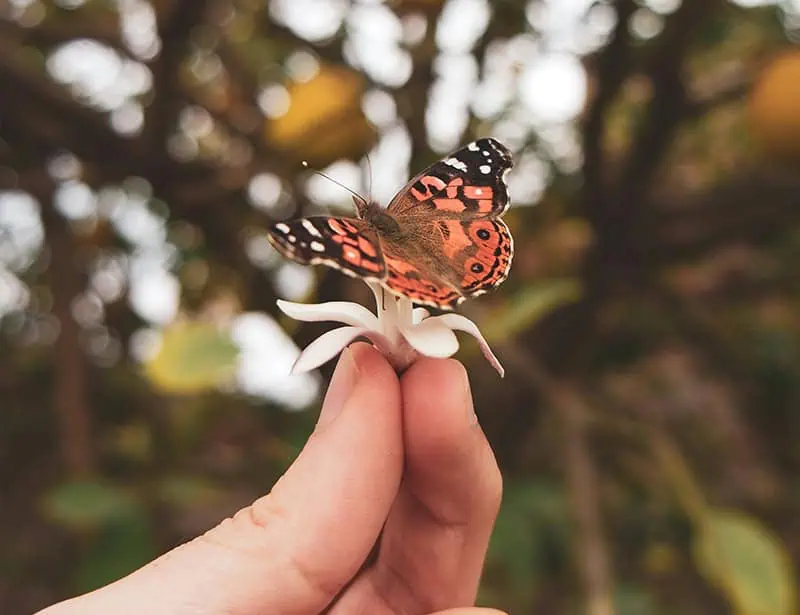
- Plant native plants for butterflies and caterpillars, providing the needed food and shelter. The butterfly garden with milkweed, butterfly bush, and coneflowers also helps maintain the local ecosystem and biodiversity.
- Limit pesticide use and consider organic or natural pest control methods. If you must spray pesticides, do it in the evening when butterflies are less active.
- Attract butterflies by adding a shallow water feeder in the garden where they can drink and sun themselves.
- Keep nectar and host plants together in your butterfly garden to support different species.
- Join citizen science projects to track and monitor butterfly populations. You can observe and report butterfly sightings in their local area.
- Educate friends, family, and community members and advocate for policies that protect butterflies and their habitats.
- Share the love for these creatures among children. Nurture their awe by telling them how butterflies flap their wings or why they pollinate.
Celebrate BEAD Online
Spread the message of the cause on social media platforms with the following hashtags:
- #ButterflyEducationAndAwarenessDay
- #SaveTheButterflies
- #ButterflyGarden
- #Pollinators
- #ButterflyConservation
Conclusion
Butterfly Education and Awareness Day emphasizes the need for butterfly conservation in the face of habitat destruction and climate change. Be part of the solution by celebrating this day and taking action all year round. Plant nectar-rich flowers and educate everyone about the importance of these beautiful creatures.
Resources:
FAQs (Frequently Asked Questions)
This annual event aims to protect butterfly habitats and promote butterfly education.
It helps promote conservation efforts and protect their habitats.
You can participate by attending events, spreading awareness on social media, or supporting butterfly conservation organizations.
Butterfly gardening, visiting local sanctuaries of rare beautiful butterflies, or hosting a butterfly-themed event are great ways to celebrate BEAD.
These incredible creatures pollinate flowers, helping maintain biodiversity and support healthy ecosystems.
Mike is a degree-qualified researcher and writer passionate about increasing global awareness about climate change and encouraging people to act collectively in resolving these issues.
Fact Checked By:
Isabela Sedano, BEng.