January 14th: National & International Days, Celebrations and Observances
Orthodox believers start their New Year on January 14. Winter skies fill with kites as enthusiasts worldwide share this date.
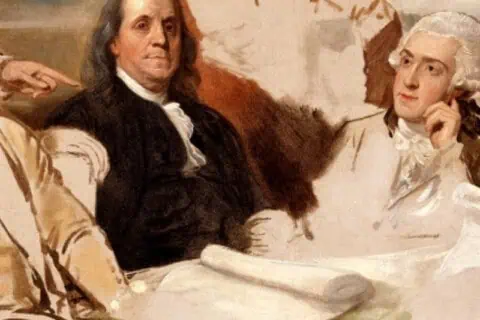
The date remains part of American history. In 1784, Congress approved the Treaty of Paris, marking what became Ratification Day.
A modern trend sees pet owners sharing photos of their dressed-up animals. This winter date now mixes centuries-old ceremonies with casual snapshots, as each group puts its own stamp on January 14.
January 14 brings together Orthodox New Year and International Kite Day. The U.S. marks Ratification Day on this date. Pet owners celebrate National Dress Up Your Pet Day, while food lovers enjoy National Hot Pastrami Sandwich Day. These events blend history, culture, and modern fun.
January 14th: Quick Links
National Days and Awareness Events on January 14th

 Charity & Civil Society
 Charity & Civil Society
 Mind & Body
Awareness Weeks Including January 14th
We don't have any dedicated pages written for the week-long events including January 14th, 2026 at the moment - do check back we're working on building these out all the time
4 Monthly Observances Across January
 Charity & Civil Society
 Mind & Body
 Mind & Body
 Charity & Civil Society
Make A Difference On January 14th
January 14th - a perfect day to reach out locally. Orthodox neighbors celebrate their New Year today, so a quick hello means more than usual.
- Ever tried making kites? Grab those old papers and spare sticks - just keep the flying away from bird zones.
- That neighborhood deli makes great pastrami. Split a sandwich there - it saves money and keeps good food from going to waste.
- The animal shelter down the street needs blankets and toys this week, especially with Pet Day coming up.
- Skip the email. Write someone an actual letter instead.
- Clean your desk while you're thinking what to say - those eco-friendly sprays work better anyway.
- The Treaty of Paris changed history, and most people don't know why. Worth checking out.
- And since you're home more these days, add some window strips so birds don't bump into the glass.
Did You Know? January 14th Facts and Historical Events
January 14: From Antarctic Base to SF Park Gathering
Roald Amundsen and his seven-man crew reached the Bay of Whales in 1911. They picked this spot at 78°30'S on Antarctica's Ross Ice Shelf for their South Pole launch site. The shelf extends across 487,000 square kilometers of ice, where scientists now track shifting climate patterns.
The same calendar date in 1967 brought 20,000 people to San Francisco's Polo Fields. This gathering in Golden Gate Park - known as the Human Be-In - featured environmental poet Gary Snyder. His words about protecting natural spaces shaped local conservation efforts throughout the Bay Area.
The park's 1,017 acres still offer refuge from city streets. Green spaces stretch from the Panhandle to Ocean Beach, while far to the south, that Antarctic ice shelf keeps its silent watch over a changing planet.
January 14th - Notable Birthdays
On January 14th, four brilliant minds entered the world.
- Albert Schweitzer won the 1952 Nobel Peace Prize after years running a hospital in Gabon. His patients taught him to merge healthcare with respect for nature. Soon, doctors worldwide adopted his "Reverence for Life" ideas.
- Murray Bookchin wrote about cities in fresh ways. Long before the first Earth talks, he studied neighborhoods and noticed something others missed - healthy communities need healthy environments. His ideas now shape how we build cities.
- Martin Holdgate spent 12 years pushing British science forward. At the International Union for Conservation of Nature, he brought opposing groups together. Thanks to his patient work, Antarctica's wildlife gained new protections.
- Carrie Derick loved studying how plants change and grow. Her research at McGill University opened new paths in plant biology. By becoming Canada's first woman professor, she showed other women that science needed their talents too.
These four pioneers saw problems differently. A doctor, a city planner, a diplomat, and a botanist - each left their field better than they found it.