
World Rock Paper Scissors Day: Global Game Of Strategic Fun

August 27th brings World Rock Paper Scissors Day to millions worldwide. The World Rock Paper Scissors Association created this celebration to honor strategic thinking wrapped in simple play. Three hand gestures. Universal rules. Anyone can join regardless of age or background.
Rock beats scissors, scissors cut paper, paper covers rock. These basics connect players across every culture. The day shows how accessible games build real community bonds. Beyond this, it highlights something deeper about human nature and competition.
Key Info: World Rock Paper Scissors Day
- When is World Rock Paper Scissors Day?
Occurs annually on the 27th of August - This Year (2026):
Thursday, August 27, 2026 (date has passed) - Official Website: World Rock Paper Scissors Association
-
Future Dates
- Friday, August 27, 2027
- Sunday, August 27, 2028
- Monday, August 27, 2029
- Tuesday, August 27, 2030
-
Additional Details
- Observed By: Game enthusiasts, competitive players, and casual participants of all ages worldwide
- Where Is It Observed: International
- Primary Theme: Recreational Gaming and Strategic Play
- Hashtags: #WorldRPSDay #RockPaperScissors #RPSDay #WRPSA #RPS
Quick Links: World Rock Paper Scissors Day
How This Day Started
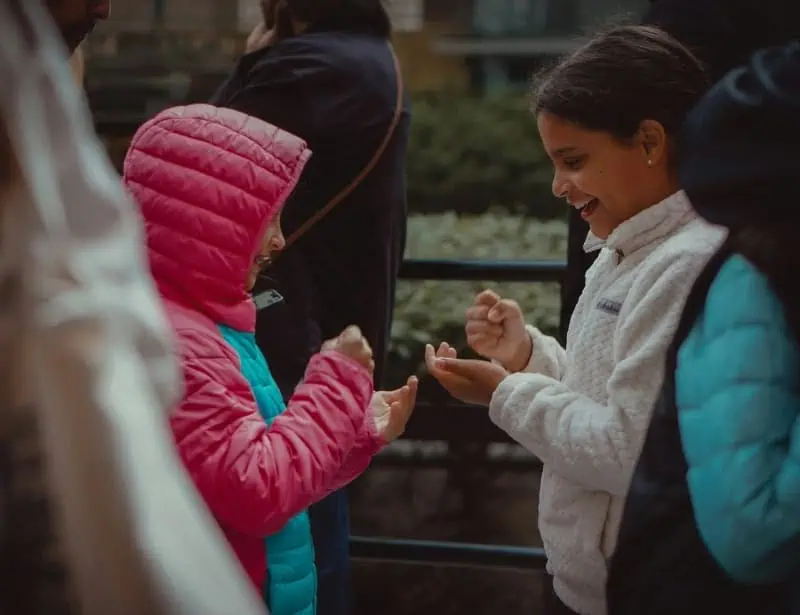
The World Rock Paper Scissors Association launched this celebration in 2015 from Ottawa, Canada. They transform playground games into serious competition while keeping everything accessible to everyone. Their mission covers both competitive legitimacy and global participation—no small task.
Official tournament rules separate organized play from casual matches. The organization trains certified referees and provides comprehensive strategy resources. Professional tournaments use bracket-style elimination with best-of-three formats.
Rule changes require a seven-eighths majority approval, which keeps competitive frameworks stable. Championship winners appear on major TV programs like "Late Night with Conan O'Brien" and the "Ellen DeGeneres Show." Simple gestures become serious competition.
Why This Day Actually Matters
This celebration champions simplicity while promoting real social connections. Strategic thinking develops through what seems like random play; research at Zhejiang University shows players follow predictable psychological patterns rather than truly random choices.
Professor Ben Dyson from the University of Alberta's Psychology Department explains: "Often when we play games we are thinking about two things, maximizing our gains and minimizing our losses."
Educational value comes through pattern recognition and adaptive thinking. Students who play regularly develop stronger communication skills and healthier competitive habits. The game reduces stress while building neighborhood networks.
Does strategic thinking really matter in a three-option game? The answer shows sophistication beneath simple surface play.
Planning Your Celebration

Transform August 27th into memorable experiences through these activities:
Office Tournaments - Create elimination brackets for lunch competitions. Single elimination works for groups over 16, double elimination for smaller teams.
School Programs - Teach probability using game outcomes. Students calculate odds while experiencing practical math applications.
Community Center Events - Host tournaments pairing kids with seniors. Age diversity creates unique strategic perspectives and cross-generational bonds.
Social Media Campaigns - Use #WorldRPSDay hashtags to connect local celebrations globally. Document participation for broader awareness.
Charity Fundraisers - Charge entry fees for local causes. Winners donate prizes back to selected organizations.
Cultural Exchange - Partner with international groups exploring regional variations. Jan-ken from Japan offers different ceremonial elements to explore.
Strategy Workshops - Invite experienced players to share psychological insights. Three-time world champion Max Beeching emphasizes daily practice: "I practiced daily for about six months before the first tournament."
Planning works best starting six weeks before August 27th. Advanced organization ensures maximum participation and lasting community impact.
Global Reach and Cultural Connection
International participation spans continents with consistent core rules maintaining global unity. The game traces back over two millennia to the Chinese Han Dynasty, spreading through Japan as "jan-ken" before reaching worldwide adoption.
Cultural adaptations preserve essential gameplay while reflecting regional preferences. Research by Batzilis and colleagues analyzed data from over one million Rock Paper Scissors games, finding that while most players employ equilibrium-consistent strategies, they systematically use information about opponents' previous plays.
Different societies contribute unique ceremonial elements; annual themes emerge naturally from networks of participants worldwide. Cross-cultural connection happens naturally when universal gestures bridge language barriers.
Getting Started
Start planning your August 27th participation today through local inquiries. The WRPSA website provides official resources, including tournament templates and certified referee training. Connect with existing players through social media using established hashtags.
2019 USA Rock Paper Scissors Championship winner Lauren McCurdy advises: "It's important to trust your instincts and not overthink your moves." Action steps begin with a simple commitment to organized participation. Contact schools, offices, or community groups about hosting events.
Six weeks provides optimal preparation time for successful celebrations. Local connections amplify global participation while strengthening community bonds through strategic fun, and that's what makes this day special.
Show your competitive spirit on these days as well: National Game & Puzzle Week and International Chess Day.
Resources:
FAQs (Frequently Asked Questions)
The World RPS Association runs championships with a "best of three of three" setup. Players need to win two out of three games to take a set, then two sets to win the match. Everyone follows the standard "Rock Paper Scissors Shoot" timing. The rules stick to the basics - closed fist for rock, flat hand for paper, and two fingers for scissors. And yes, rock still crushes scissors, scissors cut paper, and paper covers rock - just like you played as a kid.
Money in RPS peaked back in the mid-2000s. The USA Rock Paper Scissors League once offered $50,000 to champions, while today's World Championship has a total prize pool around $10,000. This suggests competitive RPS isn't exactly a career path anymore. Since those glory days, the tournament scene has shrunk quite a bit. Nobody's making a living wage throwing hand symbols, so think of it more as a fun competition with occasional prizes rather than a job.
The WRPSA's Official RPS Arcade stands as the main platform for serious online competition. Since 2015, the World Rock Paper Scissors Association has been running the show as the sport's governing body. Their digital arena offers different ways to play, from multiplayer matches to ranked games. This gives dedicated players a legitimate place to test their skills without needing to attend in-person tournaments.
Math says you should randomly choose rock, paper, or scissors exactly one-third of the time. In practice, humans are terrible at being random. Research from Zhejiang University shows people follow predictable patterns that top players exploit. Most amateurs switch moves after losing or tying - but what happens when both players know this trick? The best competitors watch for these habits and use "upgrade/downgrade" predictions to get inside opponents' heads. Winning strategies blend some randomness with reading psychological tells - especially when players feel pressure during tournaments.
Barbara is a former journalist who is passionate about translating important causes into engaging narratives. She combines communication expertise with an environmental science background to create accessible, fact-driven content.
