World Letter Writing Day: Why Handwritten Notes Matter

World Letter Writing Day arrives every September 1st. Richard Simpkin founded this global observance in 2014 after discovering something remarkable about handwritten correspondence. The Australian author created this day to preserve the art of intimate letter writing in our digital world.
This celebration stands apart from Japan's separate Letter Writing Day on July 23rd. Simpkin's vision emerged from his "Australian Legends" project during the late 1990s. He wrote handwritten letters to prominent Australians he considered cultural icons.
Cricket legend Sir Donald Bradman received one of Simpkin's letters and invited him to his residence.
September 1st simply honors putting pen to paper.
Key Info: World Letter Writing Day
- When is World Letter Writing Day?
Occurs annually on the 1st of September - This Year (2026):
Tuesday, September 1, 2026 (date has passed) -
Future Dates
- Wednesday, September 1, 2027
- Friday, September 1, 2028
- Saturday, September 1, 2029
- Sunday, September 1, 2030
-
Additional Details
- Observed By: Letter writing enthusiasts, educational institutions, cultural organizations, and general public
- Where Is It Observed: International
- Primary Theme: Traditional Written Communication
- Hashtags: #WorldLetterWritingDay #LetterWriting #HandwrittenLetters #SnailMail #WriteALetter
Quick Links: World Letter Writing Day
The Personal Power Behind Handwritten Words
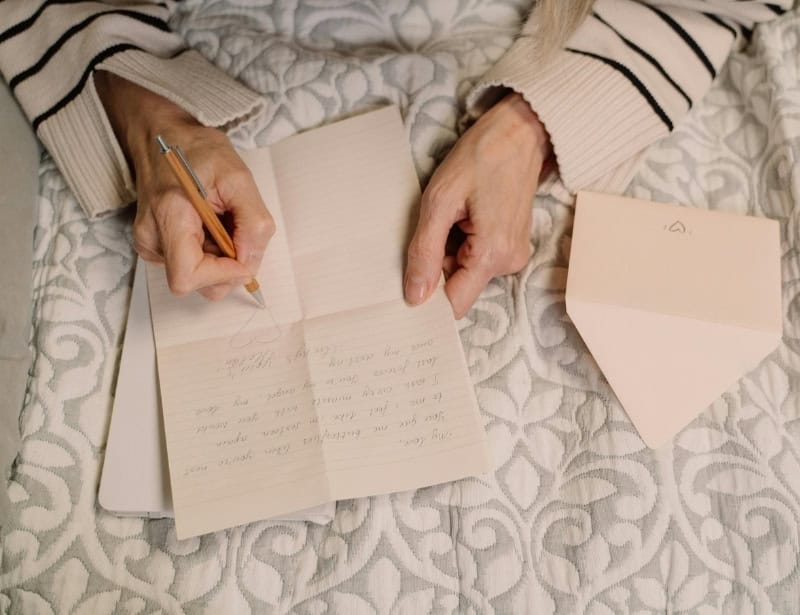
Handwritten letters carry weight that digital messages can't match. The deliberate slowness forces deeper thought. Physical permanence creates lasting keepsakes; intimate connection flows through every pen stroke.
Beyond this, neuroscientific research reveals why handwriting matters so much[1]. High-density EEG studies show that handwriting produces complex brain connectivity patterns in the theta and alpha frequency bands, which are important for memory formation. These enhanced neural networks appear only when writing by hand, never when pressing keyboard keys.
Handwriting requires deeper processing. Deeper processing and paraphrasing rather than verbatim transcription.
University of North Carolina researcher Sara Algoe found handwritten letters work as powerful signals of care and intimate attention. The brain recruits different circuits when forming letters by hand.
Global Recognition and Cultural Effect
Since 2014, September 1st celebrations have now spanned continents. Australia remains the heartland where Simpkin continues educational workshops in schools. The United States embraces the observance through museums and cultural institutions.
Libraries host letter-writing workshops. Museums create correspondence exhibits. Community organizations promote handwritten communication through special programming.
This global movement addresses documented concerns about declining handwriting skills—wait, let me clarify that. The observance distinguishes itself from Japan's July 23rd Letter Writing Day while celebrating shared values around written correspondence.
Timeline
Richard Simpkin publishes "Australian Legends" documenting correspondence project
World Letter Writing Day officially established by Simpkin
International adoption by museums and cultural institutions
Seven Ways to Honor the Written Word

1. Launch a "Legend Letters" project. Write handwritten letters to people who shaped your community. Local heroes, teachers, and mentors appreciate recognition through quality paper and thoughtful ink.
2. Create midnight letter marathons. Host September 1st gatherings where participants write multiple letters by candlelight. The atmospheric setting intensifies the personal connection.
3. Start workplace gratitude correspondence. Establish handwritten thank-you note exchanges between departments. Recipients feel more emotionally connected than those getting digital messages.
4. Build intergenerational story archives. Connect children with elderly community members through regular letter exchanges documenting local history and personal memories.
5. Organize museum letter cafes. Partner with cultural institutions hosting September 1st events where participants practice traditional correspondence etiquette with vintage writing instruments.
6. Develop recipe exchange networks. Share family recipes through handwritten letters, including personal cooking stories and ingredient memories.
7. Write letters to future selves. Create time capsule correspondence addressing hopes, challenges, and dreams for reading in future years.
To make it environmentally friendly, write your letters with our recommended sustainable pens.
The Enduring Message of September First
World Letter Writing Day preserves authentic human connection through physical letters. Handwritten correspondence bridges our digital present with meaningful communication traditions. They work as powerful signals of care that emails can't replicate.
United States Postal Service data show that First-Class Mail declined by 50% between 2008 and 2023. Yet during COVID-19, letter writing experienced a notable resurgence as people craved deeper connections.
When you write by hand, you engage brain processes that strengthen memory and learning. Physical letters become treasured keepsakes that recipients save for years.
Your Letter Writing Legacy Starts Today
September 1st gives you the perfect chance to begin your letter-writing practice. Choose someone important in your life. Find quality paper and a comfortable pen.
Your handwritten words will create a lasting effect beyond any digital message. This relates to Richard Simpkin's vision while contributing to the global celebration of meaningful communication.
Start writing. Your letters matter.
Resources:
FAQs (Frequently Asked Questions)
World Letter Writing Day happens September 1st. It's all about handwritten letters - pen to paper, that's it. National Letter Writing Week runs in January and covers any written communication, typed letters included. Richard Simpkin started the September event in 2014 because he wanted to celebrate actual handwriting. The January week gets postal service backing and includes business mail too.
You want 24lb weight paper minimum - it won't tear or bleed through when you write. Fountain pens, gel pens, or decent ballpoints give you smooth ink flow. Skip the notebook paper or printer paper. Go for cream or white cardstock, maybe linen-textured stationery if you're feeling fancy. Handmade papers work great too. Traditional rules say use matching envelopes and stick to blue or black ink for formal letters.
Absolutely. This isn't about perfect penmanship - it's about the personal touch. People with motor skill challenges can use adaptive grips, weighted pens, or have someone write for them while they dictate. The point is making something intentional and personal. Some folks use large-print paper, ergonomic pens, or even letter stamps to create their message while keeping that handwritten feel.
There's no magic length - write what feels right for your message. A heartfelt paragraph can mean more than three pages of filler. Focus on saying something genuine rather than hitting a word count. Most people find one to two pages gives them room to share real thoughts without overdoing it.
Your brain processes handwriting differently than typing. When someone writes by hand, you're seeing their actual movements, their effort, their time investment. Digital messages are efficient but they're also disposable. A handwritten letter requires deliberate choice - choosing paper, pen, words, then actually mailing it. That physical process creates connection in ways that instant messages can't match. Plus, you can keep letters in a box for years.
Sources & References
- [1]
- Van der Meer, A. L. H., & Van der Weel, F. R. (2017). Only three fingers write, but the whole brain works: A high-density EEG study showing advantages of drawing over typing for learning. Frontiers in Psychology, 8, 706.
↩
Barbara is a former journalist who is passionate about translating important causes into engaging narratives. She combines communication expertise with an environmental science background to create accessible, fact-driven content.