
World Chocolate Day: History, Events & Ways to Celebrate

July 7th marks World Chocolate Day each year across the globe. This date traces back to chocolate's first appearance in European society in 1550. Fans of the sweet treat embrace this unofficial holiday with surprising enthusiasm. From tasting events to educational workshops, people find countless ways to honor their favorite food.
Chocolate means different things to different people. Ancient Mesoamericans saw it as sacred. European nobles used it as medicine. Today's craftspeople turn it into edible art that tells stories through flavor.
Key Info: World Chocolate Day
- When is World Chocolate Day?
Occurs annually on the 7th of July - This Year (2026):
Tuesday, July 7, 2026 (date has passed) -
Future Dates
- Wednesday, July 7, 2027
- Friday, July 7, 2028
- Saturday, July 7, 2029
- Sunday, July 7, 2030
-
Additional Details
- Observed By: Chocolate manufacturers, confectioners, culinary professionals, and chocolate enthusiasts worldwide
- Where Is It Observed: International
- Primary Theme: Chocolate Appreciation and Heritage
- Hashtags: #WorldChocolateDay #ChocolateDay #ChocolateLover #InternationalChocolateDay #ChocolateLife
Quick Links: World Chocolate Day
The History and Origin of World Chocolate Day
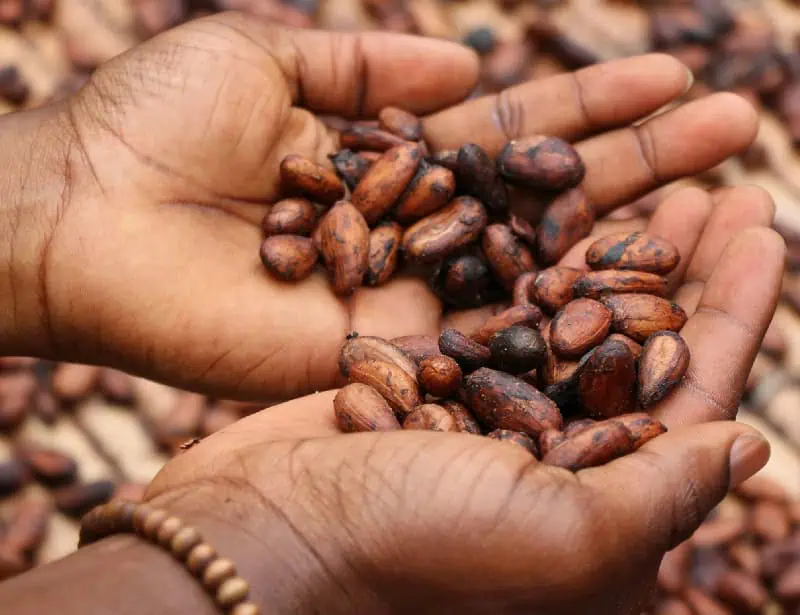
The July 7th date sticks because it marks when Europeans first encountered chocolate. This 1550 meeting started the long change from bitter Mesoamerican drink to our modern candy bars. And unlike many food holidays, World Chocolate Day has no official founder or organizing committee. It just grew naturally as chocolate lovers wanted an excuse to celebrate.
This sweet holiday shouldn't be confused with International Chocolate Day on September 13 in the USA. It coincides with the birthday of Hershey Chocolate Company's founder. Different places do their own thing, too—Ghana celebrates National Chocolate Day on February 14, timing it with Valentine's Day.
The celebration connects us back through time. Hernán Cortés first saw chocolate at Montezuma's court in 1519. But chocolate really changed when Joseph Fry made the first solid chocolate bar in 1847. Before that, it was mostly just for drinking.
Timeline
Cortés discovers chocolate in Aztec emperor Montezuma's court
Chocolate reaches Europe, giving us the July 7th date
Joseph Fry creates the first chocolate bar, changing everything
World Chocolate Day first celebration
Big brands like Godiva, Lindt, and Ghirardelli join with special events
The Significance of World Chocolate Day
World Chocolate Day shines light on the craft behind our favorite treats. Expert chocolate makers show off skills passed down through generations. The industry itself generates over $130 billion yearly and supports millions of farming families near the equator.
The day reminds us of chocolate's journey from farm to store shelf. Have you ever stopped to think about all the steps between the cacao pod and the chocolate bar? This knowledge helps connect us to the real people who grow and process our food.
The sensory experience varies dramatically between products. Good dark chocolate snaps clean when you break it. Milk chocolate melts smoothly on your tongue. Some taste fruity, others nutty or floral.
One perfect piece of chocolate can make anyone smile.
How to Celebrate World Chocolate Day
There are plenty of ways to join the fun on World Chocolate Day. From simple pleasures to deep dives into chocolate culture, these activities bring chocolate's rich story to life.
For Individuals:
- Try a personal tasting with different percentages and origins
- Focus completely on chocolate—notice flavor, texture, and smell
- Watch chocolate-themed movies like "Chocolat" or "Willy Wonka"
- Pair chocolate with unexpected foods (craft beer works surprisingly well)
- Explore more sustainable options, such as vegan chocolates
Social Celebrations:
- Get friends to bring chocolate dishes for a themed potluck
- Visit local chocolate shops and bakeries on a "chocolate crawl"
- Compare chocolates from different countries with friends
Learning Opportunities:
- Find a workshop showing how chocolate goes from bean to bar
- Take a virtual tour of a cacao farm
- Look into fair trade practices and what they mean for farmers
Cooking Adventures:
- Use chocolate in savory dishes like Mexican mole sauce
- Make chocolate bark with weird ingredients—try chili or sea salt
- Find historical chocolate recipes from different time periods
World Chocolate Day Around the Globe
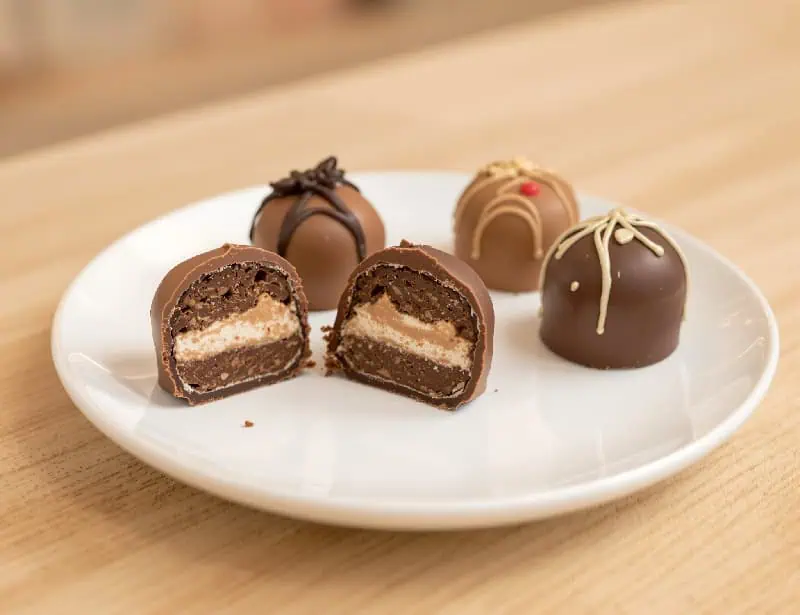
Different places celebrate according to their chocolate traditions. Belgium puts on demonstrations in Brussels' Grand Place, where master chocolate makers show traditional techniques. The careful way they work pulls in crowds wanting to learn old-school methods.
France goes flashier with Salon du Chocolat events featuring chocolate fashion shows. Yeah, clothes made from chocolate. In Italy, the Eurochocolate festival in Perugia showcases massive chocolate sculptures.
Mexico honors chocolate's ancient roots through traditional ceremonies that feel both old and new.
Since 2009, social media has turned this into a truly worldwide event. Japan gets creative with special pastries, mixing French techniques with local flavors like yuzu and matcha.
Ghana and Côte d'Ivoire—who make 60% of the world's cocoa—focus on farming practices that protect both land and people.
Chocolate Industry Participation and Impact
Chocolate companies jump on World Chocolate Day with special deals and educational events. Godiva usually gives out free samples in their stores. Lindt shows how they make their famous truffles. Ghirardelli releases seasonal flavors that change depending on where you live.
Small chocolate makers host intimate tastings highlighting single-origin beans.
Beyond selling more products, the World Cocoa Foundation talks about sustainability in growing regions. Companies increasingly recognize that customers want to know where their chocolate comes from.
Embracing Chocolate's Rich Legacy
World Chocolate Day goes deeper than just eating sweets. It connects us with chocolate's history across cultures and time; the celebration invites us to appreciate something we often take for granted.
I started thinking chocolate was just candy, but its story stretches back thousands of years. From ancient ritual drink to modern craft movement, chocolate keeps evolving while staying fundamentally appealing.
Maybe try exploring chocolate differently during this yearly celebration. Look for ethically sourced products that support farming communities. Learn the whole story.
The best way to honor chocolate might just be understanding its complete journey from seed to sweet.
Resources:
FAQs (Frequently Asked Questions)
Dark chocolate packs the most health perks when it contains lots of cocoa. This helps your heart by cutting bad cholesterol while boosting the good kind. Healthline backs this up. The flavan-3-ols in dark chocolate also work on blood pressure and keep blood vessels working better, according to FoodNavigator research. Want the sweet spot without going overboard? Johns Hopkins suggests about 45 grams weekly, staying under 100 grams total. This relates to roughly 1.5 ounces per week for the best effect.
Good chocolate looks shiny, snaps cleanly when broken, and melts smoothly in your mouth. Check the label - cocoa butter should be the only fat, with few extra ingredients thrown in. Storage matters just as much. Keep your stash between 65-70°F, away from bright light and strong smells, in something airtight. Dark varieties last up to 2 years when stored right, while milk chocolate stays fresh about a year. Today, many people ruin good chocolate with poor storage, which explains those white streaks you sometimes see.
[our answer]
Chocolate making takes a toll on rainforests through tree clearing and heavy water use. Since 2000, certification programs have stepped up to address these problems. Look for labels like Rainforest Alliance, Fair Trade, and Organic on packages. These stamps mean the chocolate meets standards for sustainable farming, fair worker treatment, and environmental care. In practice, certified products cost more, but the price reflects better practices throughout the supply chain.
[Our answer]
Barbara is a former journalist who is passionate about translating important causes into engaging narratives. She combines communication expertise with an environmental science background to create accessible, fact-driven content.
