National White Wine Day: Your Complete Guide to Celebrating

August 4th marks National White Wine Day across America. This informal celebration highlights white wine's diversity. Summer timing makes sense since chilled whites hit their stride during hot months.
The holiday started from American wine promotional efforts celebrating California's heritage. Today, it spans the country. Restaurant specials pop up everywhere. Social media overflows with tasting photos; wine shops create themed displays.
Both newcomers and enthusiasts find value here. Beginners discover approachable wines without intimidation. Experienced drinkers explore bottles they'd normally skip. Simple appreciation beats complex terminology every time.
Key Info: National White Wine Day
- When is National White Wine Day?
Occurs annually on the 4th of August - This Year (2026):
Tuesday, August 4, 2026 -
Future Dates
- Wednesday, August 4, 2027
- Friday, August 4, 2028
- Saturday, August 4, 2029
-
Additional Details
- Observed By: Wine enthusiasts, vineyards, wine retailers, restaurants, and social wine drinkers
- Where Is It Observed: United States
- Primary Theme: Wine Appreciation and Education
- Hashtags: #NationalWhiteWineDay #WhiteWineDay #WhiteWine #WineLovers #WineDay
Quick Links: National White Wine Day
Why National White Wine Day Matters for Wine Lovers
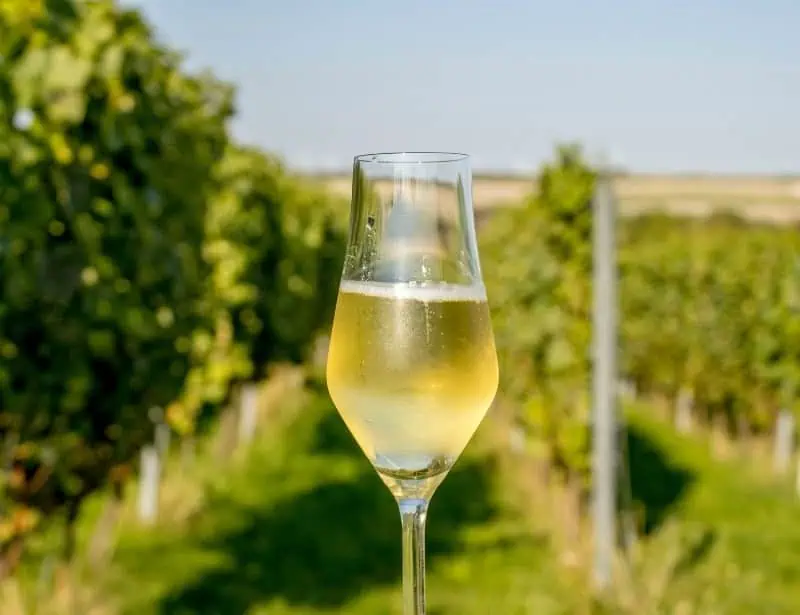
White wine offers remarkable diversity within accessible price ranges. August 4th creates focused appreciation for this variety, and you naturally learn more through tastings.
Summer refreshment drives the celebration's core appeal. Crisp Sauvignon Blanc pairs beautifully with light meals. Buttery Chardonnay complements grilled seafood perfectly. Lower tannin levels create smoother drinking than complex reds.
The holiday serves as an ideal gateway for wine newcomers. Price points often favor budget-conscious exploration; experienced enthusiasts discover value through focused attention.
Essential Facts About the Celebration
National White Wine Day remains informal but gains widespread recognition. Restaurants create special menus. Wineries host themed events. Wine publications feature educational content during early August.
The United States significantly increased its white wine production, consistently holding more than 50% of all wines since the start of the century. The country also leads global white wine consumption at 18.3 million hectoliters in 2021. This massive demand supports the holiday's domestic focus. California dominates production, accounting for approximately 85% of total American wine output.
What makes this timing so effective? Heat drives demand for chilled beverages while summer produce reaches peak availability.
National Red Wine Day follows on August 28th, creating seasonal wine appreciation bookends. According to Difford's Guide, "The word 'National' in the title of this celebratory day is key... This is a day to celebrate your own nation's white wine." Geographic scope centers on domestic wine regions.
How to Celebrate National White Wine Day
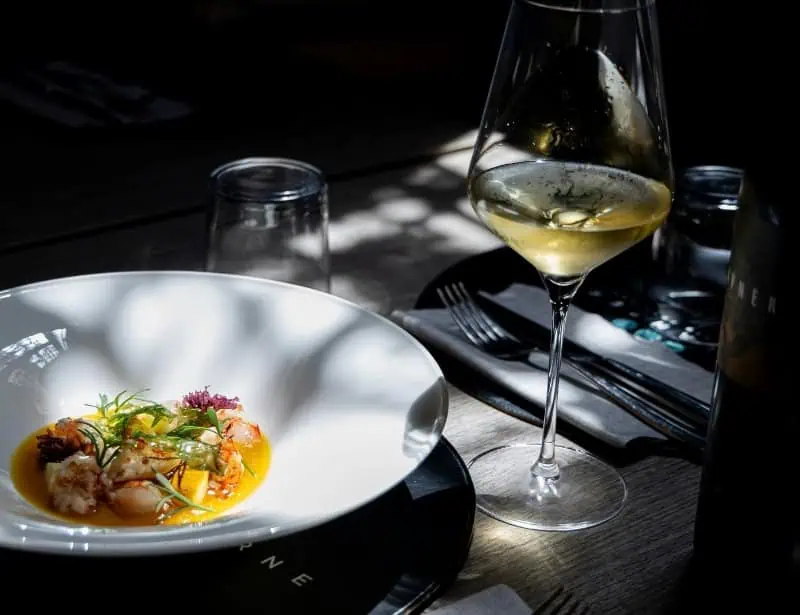
Budget-Friendly Exploration
Purchase three different white wines under $15 each. Compare Pinot Grigio, Sauvignon Blanc, and Chardonnay side by side. Note flavor differences between wines.
Restaurant Wine Pairing
Visit restaurants offering August 4th wine specials. Ask servers for recommendations with your meal. Many establishments create themed pairing menus specifically for the holiday.
Social Media Participation
Share tasting notes using #NationalWhiteWineDay hashtags. Post food pairing photos. Join wine communities that often organize virtual tasting events.
Basic Tasting Technique Practice
Serve wines at proper temperatures between 45-50°F. Take notes on color, aroma, and taste characteristics. Focus on personal preferences rather than technical perfection.
Local Wine Shop Education
Visit specialty wine shops for expert recommendations. Many shops offer August 4th tastings and educational events. Staff knowledge helps navigate unfamiliar labels effectively.
Core Themes and White Wine Focus
Recently, summer versatility defines white wine's seasonal appeal. Chilled temperatures provide immediate refreshment during hot weather. August 4th timing captures peak summer consumption when outdoor dining flourishes.
Key wines deserve special attention during celebrations. Chardonnay offers a range from crisp, unoaked styles to rich, buttery expressions. Sauvignon Blanc provides bright acidity and distinctive aromatics.
Pinot Grigio delivers clean characteristics perfect for warm days. Riesling brings floral complexity with varying sweetness levels.
American wineries host 49.2 million tourist visits annually, with wine country tourists spending $16.7 billion during their visits. This tourism surge during summer months amplifies National White Wine Day's economic impact.
Making the Most of Your Celebration
Mark August 4th clearly on calendars for annual participation. Advance planning ensures better wine selection and dining reservations.
Maggie Curry from Kendall-Jackson emphasized the holiday's easy appeal: "The wine industry gets a bad rap sometimes for being snooty and serious, and I think this is kind of a fun angle to have a collective smile for the wine world at large."
Start simple by purchasing one unfamiliar white wine variety for tasting.
And build annual traditions around the day. Some enthusiasts dedicate August 4th to exploring specific wine regions. Others focus on discovering new food combinations.
Consistent participation deepens knowledge while maintaining celebratory enjoyment.
Acknowledge the impact of more boozy drinks by saving National Scotch Day and National Wine Day in your calendars.
Do not forget to exercise caution by remembering the cause Alcohol Awareness Month fights.
Resources:
FAQs (Frequently Asked Questions)
Drinking white wine in moderation offers real health advantages. The polyphenols work as antioxidants that may help your heart, based on University of Barcelona research. White wine might also improve lung function – something researchers at University of Buffalo have pointed to in their work. For older adults, it could help maintain bone strength, while people with type 2 diabetes might see better glucose control. This relates to the specific compounds found in white wine. Keep in mind that these benefits only apply when drinking sensibly. And while we know quite a bit about red wine's health effects, white wine deserves more attention from scientists to fully understand its potential.
Store white wine between 45-55°F with about 70% humidity. Light wines need protection from direct light and shouldn't be disturbed much. When it's time to drink, serve the lighter whites like Pinot Grigio around 45-50°F. This temperature brings out their fresh character. Fuller whites like Chardonnay taste better slightly warmer at 50-55°F. Glass shape matters too – tulip glasses work for light whites, while wider bowls let full-bodied whites breathe properly. Most whites stay good for 3-5 days after opening if you reseal and refrigerate them right away.
White and red wine production face similar sustainability challenges. Since 2015, both have benefited from regenerative farming practices and better energy management in wineries. Climate shifts create regional differences, sometimes favoring red grape varieties in warming areas. This suggests sustainability metrics might vary by location rather than wine color. Beyond this, packaging innovations help all wines reduce their carbon footprint, with potential advantages for whites since they typically bottle sooner. Recent industry reports and studies on microbial resource management show that sustainability depends more on producer practices than wine type.
White wine shows surprising strength in today's U.S. market. Sales volumes have grown faster than red wine, especially in premium segments where top performers saw 22% more revenue, according to Silicon Valley Bank's 2025 report. Sauvignon Blanc leads this trend, with Central Coast shipments up 18% in volume and 26% in value – even with price increases. Data from Sovos points to shifting consumer tastes as younger buyers choose lighter, fresher styles. This connects to broader changes in how Americans approach wine drinking, with traditional preferences giving way to new patterns.
Barbara is a former journalist who is passionate about translating important causes into engaging narratives. She combines communication expertise with an environmental science background to create accessible, fact-driven content.