National Pots De Crème Day: Essential Tips & Classic Recipes

National Pots De Crème Day hits every August 27th, celebrating this fancy French custard that's been around forever. While most food holidays get pushed by companies wanting to sell stuff, this one actually started with people who just love making dessert the old-school way.
Home bakers test out centuries-old techniques in their kitchens. Restaurants jump in too, from corner bistros to those places where dinner costs more than your car payment.
The whole thing connects modern cooks with French traditions that go back four hundred years. Social media helps spread recipes using hashtags. Local bakeries often whip up special versions when August rolls around.
Key Info: National Pots de Crème Day
- When is National Pots de Crème Day?
Occurs annually on the 27th of August - This Year (2026):
Thursday, August 27, 2026 (date has passed) -
Future Dates
- Friday, August 27, 2027
- Sunday, August 27, 2028
- Monday, August 27, 2029
- Tuesday, August 27, 2030
-
Additional Details
- Observed By: Culinary enthusiasts, pastry chefs, restaurants, and home bakers across the United States
- Where Is It Observed: United States
- Primary Theme: French Culinary Heritage
- Hashtags: #PotsDeCremeDay #NationalPotsDeCremeDay #FrenchDesserts #Desserts #FoodHoliday
Quick Links: National Pots De Crème Day
Why This Dessert Deserves Recognition
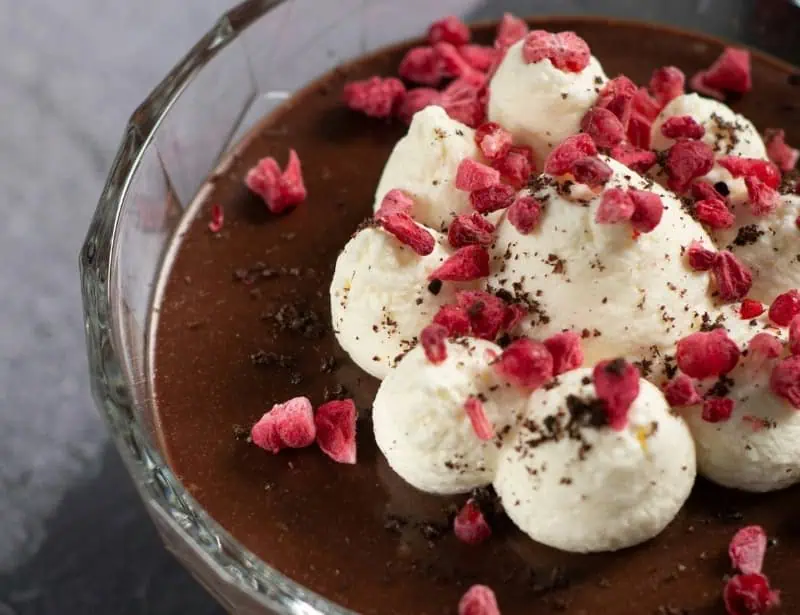
French cooking methods shaped how American professional kitchens work today. Pots de crème started as pie filling back in medieval times, then evolved into individual servings during the 1600s.
Recently, food historians have traced specialized porcelain cups called "petits pots" that were created just for serving this elevated dessert. These tiny porcelain vessels became status symbols throughout the 18th and 19th centuries; they appeared regularly on formal European and American tables.
According to culinary historian Bethany Adams, "From the mid-1700s to the early 1900s, some of the finest examples came from Sèvres, Meissen, Wedgwood and Worcester."
This celebration started naturally from culinary passion. The grassroots development reflects genuine appreciation for artisanal dessert-making that requires patience plus precision. French influence continues shaping professional kitchen operations via the brigade de cuisine system.
Important Facts About the Observance
August 27th timing stays consistent across participating regions each year. Geographic focus centers primarily in the United States among food culture advocates and culinary enthusiasts.
Home bakers represent the largest participant group. Restaurant participation includes dessert-focused establishments, French bistros, and culinary schools. Social media engagement typically peaks during the 24-hour period.
French consumers typically spend larger proportions of household income on food compared to Americans, reflecting different value priorities that elevate quality over convenience. This celebration bridges French culinary heritage with American food culture adaptation. Quality-over-quantity ideas match consumer trends toward experiential dining.
Creative Ways to Celebrate National Pots De Crème Day
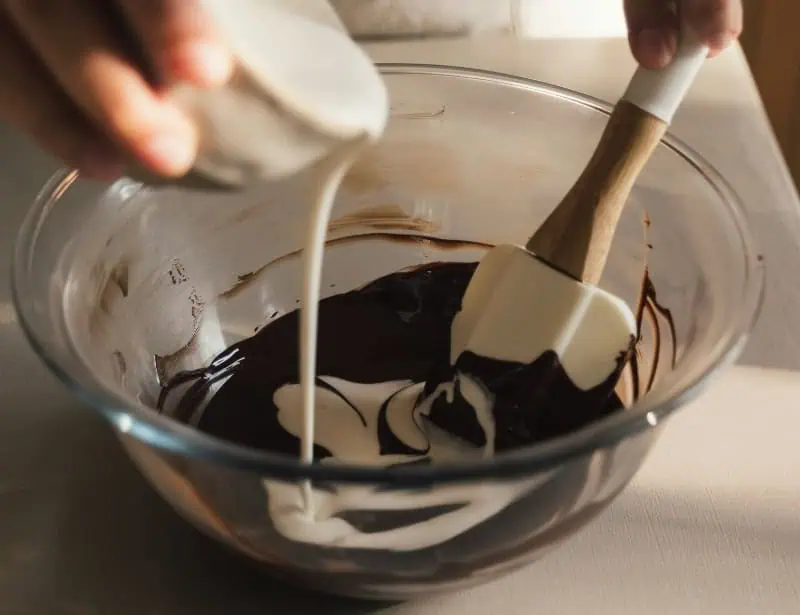
- Master Traditional Preparation - Source authentic recipes featuring the classic cream, milk, and egg yolk ratios that distinguish pots de crème from other custards. Practice water bath poaching techniques for optimal texture results.
- Experiment with Bold Flavors - Create modern interpretations like spiced orange chocolate with vanilla mascarpone cream. Professional pastry chefs demonstrate innovation while respecting traditional foundations.
- Amplify Social Media Presence - Document preparation processes using the #PotsDeCremeDay hashtag. Share recipe modifications plus presentation photos for community inspiration.
- Partner with Local Artisans - Visit neighborhood patisseries offering special August 27th preparations. Request custom orders featuring traditional porcelain presentation vessels.
- Host Comparative Tastings - Organize community events contrasting homemade versions with professional preparations. This relates directly to appreciating technique variations and ingredient quality impacts.
- Explore Historical Connections - Research the dessert's journey from medieval pie filling to individual custard presentations, connecting modern celebrations with centuries of culinary development.
Making Your Celebration Memorable
Recipe sourcing benefits from researching authentic French techniques plus modern adaptations. Partnerships with local bakeries create opportunities to discuss ingredients with professional pastry chefs.
Social engagement tactics extend celebration impact via documentation. Photography captures both process and presentation elements for future reference.
Planning ahead enhances future celebrations via ingredient preparation plus equipment acquisition. Annual tradition building develops personal expertise while supporting broader community food culture appreciation.
Want other French desserts? Eat more of them on National Pears Helene Day and National Crème Brûlée Day.
Resources:
FAQs (Frequently Asked Questions)
Serve pots de crème slightly chilled but not freezing cold. They taste better when you let them sit out for a minute or two before eating—this creates that smooth, rich texture people love. You can make these ahead and keep them in the fridge for 3-4 days after they've set up, which takes at least 4 hours. This makes them perfect for dinner parties when you need to prep desserts early.
Chefs judge pots de crème on texture first—it needs that silky feel without any grainy bits. The set should have a slight wobble in the center. When you run a spoon through good custard, it leaves a clean line that holds its shape. Beyond this, flavor depth matters—no eggy taste allowed—and the temperature must be consistent throughout each serving. The difference between average and exceptional often comes down to these small details.
Pots de crème contain more fat and egg yolks per cup of liquid than other French custards. They bake at lower temps—around 300-325°F—in a water bath, creating their signature dense, silky texture. Since 1733, when the recipe first appeared, they've been distinct by never including the caramelized sugar layer you'd find on crème brûlée. In practice, they hold their shape without being firm and deliver a richer mouthfeel than their custard cousins.
Home cooks often overheat the cream mixture, which causes curdling—keep thermometers handy and stay under 180°F. Not straining the base before baking lets unwanted bits through. Water baths that are too hot or ovens set incorrectly lead to grainy texture. Today's recipes sometimes overlook mentioning that rapid temperature changes can ruin the custard's structure. And rushing the chilling process prevents that perfect silky set that makes this dessert special.
Barbara is a former journalist who is passionate about translating important causes into engaging narratives. She combines communication expertise with an environmental science background to create accessible, fact-driven content.