National Peanut Brittle Day: Easy Homemade Recipes

Every January 26th, American kitchens fill with the smell of melting sugar. National Peanut Brittle Day celebrates candy that's trickier than it looks. You need sugar heated to exactly 300 degrees. When you mess up the temperature, you'll get a chewy disaster instead of that perfect snap.
This day connects us with real American tradition. Sarah Rutledge wrote down the first recipe back in 1847, calling it "An Excellent Receipt for Groundnut Candy" in "The Carolina Housewife."
Today we blend old-school kitchen skills with appreciation for folks who still make candy by hand.
Key Info: National Peanut Brittle Day
- When is National Peanut Brittle Day?
Occurs annually on the 26th of January - This Year (2026):
Monday, January 26, 2026 (date has passed) -
Future Dates
- Tuesday, January 26, 2027
- Wednesday, January 26, 2028
- Friday, January 26, 2029
- Saturday, January 26, 2030
-
Additional Details
- Observed By: Candy enthusiasts, home bakers, and confectionery businesses across the United States
- Where Is It Observed: United States
- Primary Theme: Confectionery Appreciation
- Hashtags: #NationalPeanutBrittleDay #PeanutBrittle #CandyDay #HomemadeCandy #SweetTreats #January26
Quick Links: National Peanut Brittle Day
Why National Peanut Brittle Day Matters
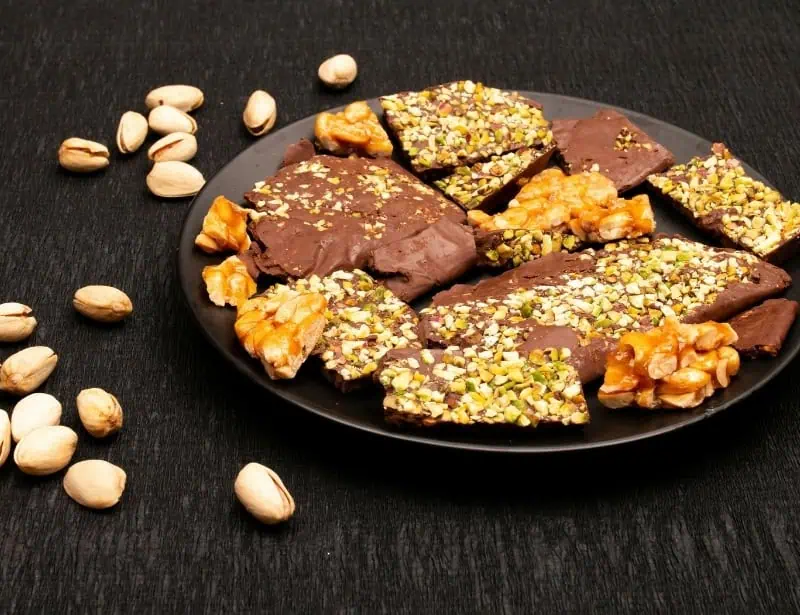
Peanut brittle carries weight beyond its sweet crunch. This candy represents generations perfecting timing and temperature control in American kitchens. Each family recipe reflects regional peanut preferences. Some like Virginia peanuts, others swear by Spanish varieties.
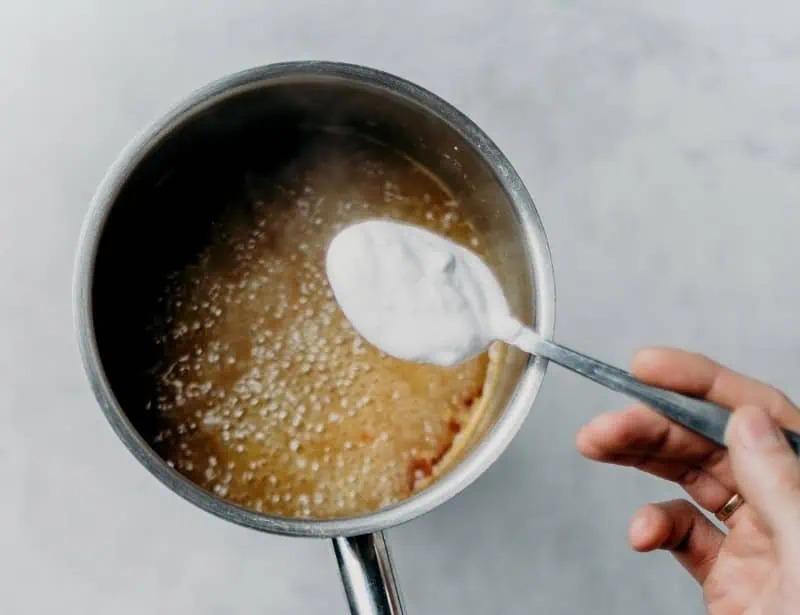
Making candy preserves important skills. You've got to understand Maillard reactions and why baking soda creates those tiny air pockets. It's chemistry knowledge passed down through kitchen conversations; nostalgic memories center around watching experienced hands transform molten sugar into edible gold.
Beyond this, supporting heritage maintains connections between past and present. Small-batch confectioners use techniques mass production can't replicate.
The observance honors the enslaved Africans who brought peanut cultivation knowledge to American soil. Community celebration strengthens bonds through shared sweet experiences.
Understanding the Observance Status
National Peanut Brittle Day functions as an unofficial food holiday across America. No federal government stamp of approval, but it's got consistent recognition in communities nationwide.
It follows Peanut Butter Day by two days, creating a concentrated peanut appreciation window.
Manufacturers leverage this for promotions. Authenticity comes from widespread participation rather than government designation. Geographic focus stays strongest in peanut-producing regions where agricultural heritage meets candy-making traditions.
How to Celebrate National Peanut Brittle Day
Transform January 26th into real candy engagement:
- Master homemade techniques using recipes that demand precise temperature control
- Support local artisans by buying their handcrafted variations
- Share treats with neighbors to spread appreciation for classic American confection
- Host community workshops teaching sugar chemistry and proper peanut prep
- Document family recipes through photos and written instructions
- Organize regional tastings featuring different peanut varieties from American growing regions
- Share stories online about candy-making heritage and family connections
- Visit specialty shops discovering unique flavor combinations
Celebrating Peanut Brittle Heritage
Artisan confectionery deserves active preservation. Confectionery specialists like Charlie Frank at Zingerman's Candy Manufactory represent deliberate returns to quality-focused production. Their expertise maintains temperature precision that industrial processes can't match.
American food heritage lives through careful preservation efforts. The United States is predicted to produce 5.27 billion pounds by the end of 2026. Its four main peanut varieties reflect the country’s agricultural diversity, with each shaped by distinct growing regions and culinary traditions. Runners support peanut butter production, Virginias are valued for roasting and inshell consumption, Spanish peanuts are essential to candy and oil production, and sweet Valencias are prized for boiling and natural peanut butter.
This agricultural foundation supports continued innovation. Sweet family traditions develop around shared candy-making; time-honored recipes connect grandparents with grandchildren through common kitchen activities.
Supporting local specialists maintains community food culture while preserving irreplaceable skills.
Making the Most of January 26th
Real participation shouldn't end after one day. Connect with neighborhood candy shops during multiple seasons rather than limiting engagement to single observances.
Local food culture strengthens when residents actively engage with traditional craftsmanship year-round. Transform awareness into lasting appreciation for American confectionery excellence.
Support the country's farmers by also joining National Popcorn Day and National Watermelon Day.
Resources:
FAQs (Frequently Asked Questions)
Your homemade peanut brittle stays good for 6-8 weeks when stored right. Put pieces in airtight containers at room temperature. Layer them with parchment paper so they don't stick together. Don't refrigerate it—the moisture makes everything gummy. In humid areas, toss a silica gel packet in the container.
Chewy brittle means your sugar didn't get hot enough. You need to hit 300-310°F for that perfect crack. Williams-Sonoma test kitchen data shows undercooking creates chewy texture every time. But what if it's bitter instead? That means you overcooked it. Skip making brittle on rainy days—humidity kills the crispy snap.
You can swap ingredients pretty easily. For peanut allergies, almonds and sunflower seeds work great. The key is keeping your ratios similar and watching your cooking temps. Beyond this, some people add baking soda for extra bubbles and crunch.
There isn't really a documented North-South split in how people make brittle. Peanut brittle started in the South where peanuts grew best. Southern peanuts do have about 11% more monounsaturated fats, which could change the flavor slightly. Most recipes follow the same basic method regardless of location.
One ounce of peanut brittle packs 110-130 calories according to USDA data. That's pretty calorie-dense since it's mostly sugar. Think of it as a small treat rather than a regular snack.
Barbara is a former journalist who is passionate about translating important causes into engaging narratives. She combines communication expertise with an environmental science background to create accessible, fact-driven content.