National Opposite Day: Fun Ways to Celebrate Backwards

January 25th brings an annual celebration where "yes" means "no." National Opposite Day creates sanctioned absurdity through reverse communication. Well, sanctioned might be too strong. It's more like agreed-upon chaos.
Participants intentionally contradict their intended meanings. This playful tradition transforms ordinary interactions into brain teasers. Simple statements become puzzles; normal social rules temporarily disappear.
Communities bond over deliberate misunderstanding that somehow makes perfect sense, though the logic gets tangled quickly. The day presents a fascinating logical paradox. If someone declares "it's Opposite Day," does that statement itself become false?
Key Info: National Opposite Day
- When is National Opposite Day?
Occurs annually on the 25th of January - This Year (2026):
Sunday, January 25, 2026 (date has passed) -
Future Dates
- Monday, January 25, 2027
- Tuesday, January 25, 2028
- Thursday, January 25, 2029
- Friday, January 25, 2030
-
Additional Details
- Observed By: Children and adults in the United States and internationally through social media
- Where Is It Observed: United States and International
- Primary Theme: Playful Contradiction And Reversal
- Hashtags: #NationalOppositeDay #OppositeDay #SayTheOpposite #PlayfulContradiction
Quick Links: National Opposite Day
The Psychology Behind Opposite Day

Breaking communication rules provides measurable cognitive benefits. Research shows brief playful interactions among children improve executive function performance, specifically faster response times on attention tasks without compromising accuracy.
Temporary rule suspension reduces stress levels. Mental flexibility increases through contradictory thinking, and that effect ripples beyond the immediate activity.
Learning opposites builds foundational skills for mathematics and reading comprehension. The cognitive challenge strengthens problem-solving abilities across age groups. Beyond this, the real magic happens in how we process mixed signals.
Sanctioned absurdity feels liberating. Why? Because paradoxical thinking shifts our mental processing from "either/or" to "both/and" frameworks. This cognitive flexibility enhances creativity in unexpected ways.
Origins and Cultural Evolution
National Opposite Day's founder remains mysteriously unknown. Historical precedents stretch back millennia, though. Ancient Romans celebrated Saturnalia from December 17 to 23, during which masters served slaves and social hierarchies completely reversed.
The poet Catullus called these festivals "optima dierum" (the best of days). Medieval Europe continued this tradition through the Feast of Fools, creating temporary worlds where normal meant abnormal.
SpongeBob SquarePants catapulted modern awareness in its Season 1, Episode 9, titled Opposite Day, which was originally aired in the USA on September 11, 1999. Sometimes cartoon characters shape our calendar more than we'd expect.
Creative Celebration Strategies
Family Activities
Wear clothes backward at breakfast. Brush teeth before dinner instead of after. Say "goodbye" when family members arrive home. Carefully walk backward through the house for ten minutes.
Phillips and Pexman's research shows children develop opposite comprehension around age four, with five-year-olds showing better accuracy for adjectives and verbs compared to nouns. Age-appropriate activities prevent confusion while maximizing developmental benefits.
School Participation
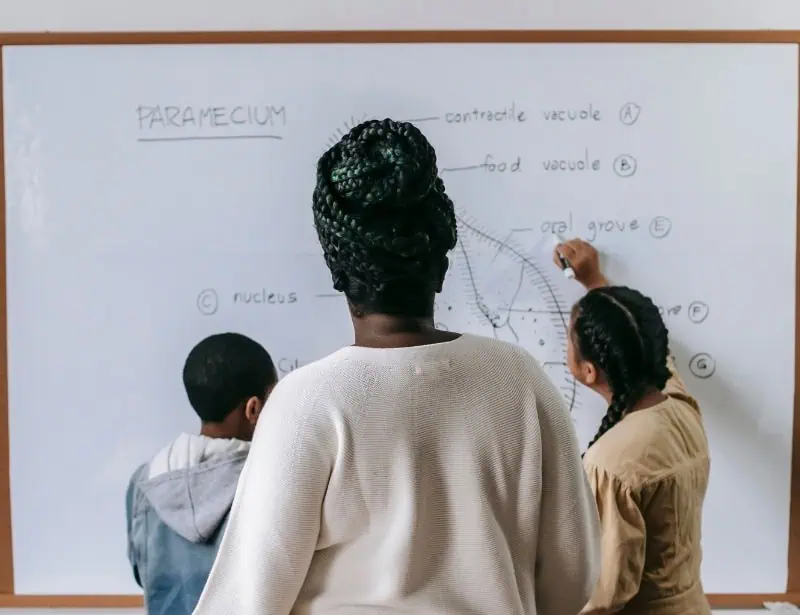
Teachers dismiss students before calling attendance. Students teach brief lessons while educators sit at desks; the role reversal reveals how much preparation actually matters.
Lunch happens before first period. Everyone writes their names in reverse on assignments. Some teachers find this more disruptive than educational.
Workplace Fun
Hold meetings where participants stand throughout—productivity either soars or crashes depending on your team. Begin presentations with conclusions first.
Answer phones with "goodbye" instead of "hello," then watch confusion spread. Send emails that start with signatures, then build to greetings.
Safety Guidelines
Never reverse safety protocols or emergency procedures. Avoid opposite directions while driving or crossing streets. Keep medical instructions unchanged; some rules exist for critical reasons. Maintain clear communication during potential hazards.
Conclusion and Your Next Steps
Involve family members or coworkers in coordinated reversals that surprise and delight everyone involved. Share your creativity through social documentation.
This accessible celebration requires minimal preparation but creates lasting memories across generations. Your participation continues centuries of playful tradition rooted in human psychology.
Celebrate other fun days by saving National Trivia Day and Answer Your Cat's Questions Day.
Resources:
FAQs (Frequently Asked Questions)
National Opposite Day runs January 25th, midnight to midnight. That's the full 24 hours. Most people participate during normal hours—say 6 AM to 10 PM. Makes sense. Schools often limit it to lunch or specific classes to keep educational focus. Some families pick "opposite hours" instead of the whole day. Constant contradiction gets exhausting fast. Beyond this, there's no enforcement. You set your own boundaries.
Stop the game immediately. Use clear language to resolve the confusion. This suggests having a "reality check" word beforehand—something like "seriously" or "for real." When emotions run high, drop the opposite talk. Safety issues? Always speak normally. Arguments between kids? Pause the celebration until you sort things out. The day should be fun, not create real problems. Some topics—like feelings or important instructions—work better with straight communication.
January 25th Opposite Day appears mainly American. But role reversal celebrations exist globally. Ancient Rome had Saturnalia where slaves became masters for a day. Medieval Europe celebrated the Feast of Fools—social rules got flipped upside down. Today, you won't find established Opposite Day traditions in other countries. This connects to how cultural celebrations develop differently across regions. The concept of temporary rule-breaking shows up everywhere, just in different forms.
Ages 5-12 work best. Kids this age understand contradictions but still find them hilarious. Younger ones (3-4) get confused and frustrated—they're still learning normal communication. Teenagers usually think it's childish unless friends are involved. For 5-7 year olds, keep it simple: backward clothes, "goodbye" for "hello." Ages 8-12 can handle complex language games and planning opposite scenarios. In practice, set clear start and stop times. Avoid opposite communication around discipline or safety. Kids need genuine understanding for important stuff.
No official rules exist. Common practices developed through cultural use. The paradox—if you announce "it's Opposite Day," does that statement become false?—gets resolved by treating the announcement as separate from the game itself. Think of it like explaining game rules before you start playing. Most people follow these guidelines: announce start and end times clearly, keep safety communication normal, agree on "pause words" for real talk. Philosophy professors use this paradox to teach logical contradictions. But for most of us? The contradiction makes it more fun.
Barbara is a former journalist who is passionate about translating important causes into engaging narratives. She combines communication expertise with an environmental science background to create accessible, fact-driven content.