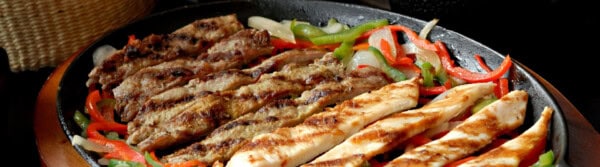
National Fajita Day: History, Traditions & How to Celebrate

That sizzling sound means dinner's ready. Hot skillets carry seasoned beef strips and peppers to tables across America every day, but August 18th makes it special. National Fajita Day celebrates what started in a small Texas town back in 1969. Sonny Falcon changed everything when he set up his first fajita stand in Kyle.
This isn't some government holiday. Restaurant marketing created the buzz instead. What began as ranch worker food became America's favorite Tex-Mex dish.
Key Info: National Fajita Day
- When is National Fajita Day?
Occurs annually on the 18th of August - This Year (2026):
Tuesday, August 18, 2026 (date has passed) -
Future Dates
- Wednesday, August 18, 2027
- Friday, August 18, 2028
- Saturday, August 18, 2029
- Sunday, August 18, 2030
-
Additional Details
- Observed By: Restaurants, food enthusiasts, and communities across America, with special significance in Texas
- Where Is It Observed: United States
- Primary Theme: Mexican-American Culinary Heritage
- Hashtags: #nationalfajitaday #fajitas #texmex #fajitaday #texascuisine
Quick Links: National Fajita Day
Historical Origins and The Fajita King Legacy
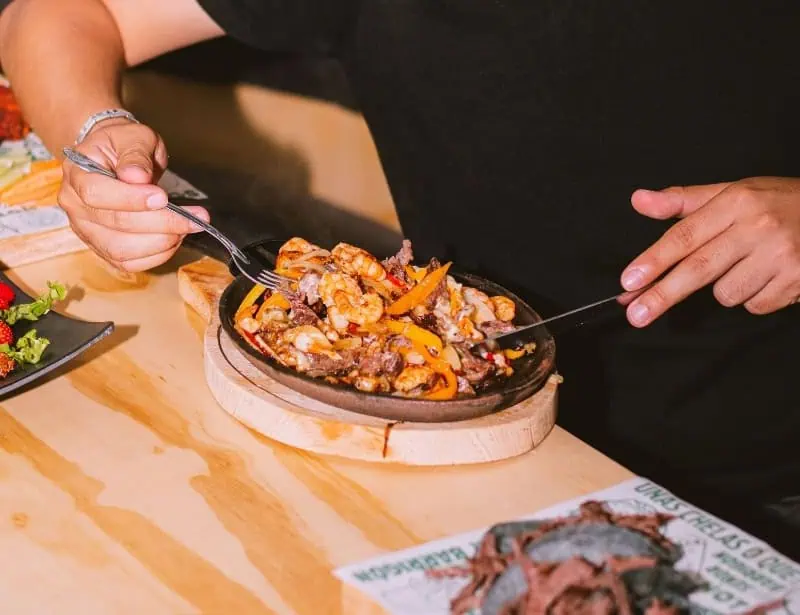
Juan Antonio "Sonny" Falcon earned his nickname the hard way. September 1969 marked his breakthrough at a Diez y Seis de Septiembre celebration in Kyle, Texas. He'd been managing an Austin meat market, perfecting his approach to skirt steak. The results spoke for themselves.
But fajitas go back further than Falcon's innovation. Texas A&M research points to 1930s vaquero traditions on South Texas ranches. Mexican cowboys received tough skirt steak cuts as part of their pay. What else could they do but grill them over open flames?
The Spanish word "faja" means belt, describing how these long steaks looked.
Falcon kept things simple. "No spices, no tenderizer. Just tasty and tender," he explained years later. His festival circuit created "fajita fanatics from Mercedes to Abilene." Each return visit topped previous sales; people couldn't get enough.
Kyle finally recognized this heritage in 2020, officially calling itself "home of the great Fajita."
Timeline
Sonny Falcon launches commercial fajita operations in Kyle, Texas as "The Fajita King"
Fajitas explode across Texas restaurants and Tex-Mex establishments
National Fajita Day emerges through restaurant industry promotion
August 18 brings nationwide specials and #nationalfajitaday campaigns
Ways People Celebrate
August 18th offers plenty of options depending on your style.
Some folks hit their favorite Tex-Mex spots for special deals. Others fire up backyard grills and invite neighbors over. Social media gets busy with #nationalfajitaday posts showing off sizzling skillets and loaded plates.
The key is authentic preparation—cast iron makes all the difference.
Restaurants go bigger. They design specialty platters, run photo contests, partner with local farms for fresh ingredients. Smart operators host grilling demonstrations or "Fajita King" tribute nights. These events build real community connections.
When communities get involved, outdoor festivals featuring multiple restaurants work well. Charity fundraisers using fajita sales support local causes. Educational displays showing vaquero cooking history add depth beyond just eating.
Cultural Impact and Modern Tex-Mex Heritage
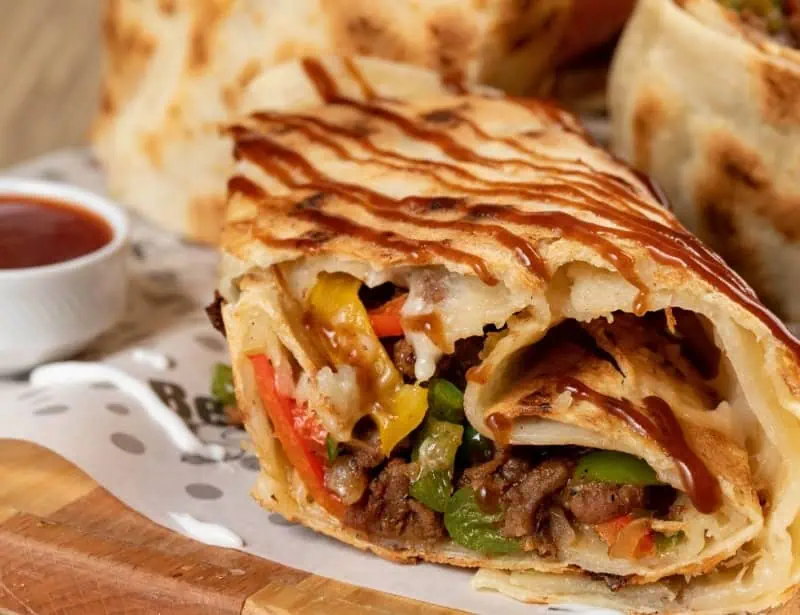
National Fajita Day does more than sell restaurant meals. It connects modern diners with ranch history. Those old methods survive in today's kitchens.
The numbers tell the story. IBISWorld research shows Mexican restaurants represent around 11% of all U.S. dining establishments. That's nearly 85,000 locations nationwide. Border states lead the pack, with New Mexico hitting 22% concentration.
Beyond economics lies keeping traditions alive. Tex-Mex dishes stick to the real way while adapting to American tastes. Half of Americans eat Mexican food monthly, according to industry research. This popularity keeps these traditions alive across diverse communities.
Your Next Steps
Mark August 18th on your calendar. Visit local restaurants that maintain traditional techniques or try making homemade fajitas using proper skirt steak cuts.
Year-round support matters more than one-day celebrations, though. Choose places that respect the history behind every sizzling platter. Your participation honors Sonny Falcon's 1969 Kyle, Texas innovation and keeps this food legacy going strong.
Want more reasons to eat delicious food innovation? Save National Panini Day and National Jelly Bean Day in your calendars.
Resources:
FAQs (Frequently Asked Questions)
Texas fajitas have ranch roots, not Mexican ones. They started with South Texas ranch workers grilling skirt steak over mesquite wood. This creates a unique Tex-Mex experience. When you order in Texas, expect sizzling hot plates with flour tortillas - not corn like in Mexico. The Texas style includes American add-ons like sour cream and yellow cheese that you won't find in traditional Mexican cooking. Rice University research points to this blend of Tejano traditions with Anglo influences as what makes the dish genuinely Texan rather than Mexican.
Real fajitas arrive with drama. Cast iron skillets should sizzle when they hit your table. The kitchen might smell like mesquite smoke. Today most authentic spots make their tortillas fresh - you can tell by the uneven edges and softness. Check if the menu specifies outside skirt steak, the traditional cut that delivers the best flavor. Beyond this, proper fajitas come with simple sides: grilled onions, peppers, and basic toppings. Nothing fancy or complicated gets in the way of good meat.
You need fewer tools than you think. A cast iron skillet works better than anything else - it holds heat like restaurant equipment. Marinate your meat between 4-8 hours, not longer. This gives flavor without making the texture mushy. When cooking's done, let that meat rest 5-10 minutes. This relates directly to tenderness. And always slice against the grain at a slight angle. Sharp knife, sturdy tongs, and heat-proof serving plates round out your essential gear. One secret pros don't mention: pre-heating your serving plate makes the sizzle last longer at the table.
Fajitas adapted without losing their soul. The American Institute for Cancer Research now promotes leaner protein versions using turkey breast. This suggests health-conscious eaters can enjoy the experience while aligning with wellness goals. Since 2010, even school cafeterias serve fajita versions that meet strict USDA nutrition standards. The format stays the same - sizzling meat, vegetables, tortillas - but ingredients shift to match modern needs. In practice, many restaurants now offer plant-based protein alternatives that maintain the cooking method and presentation while expanding who can enjoy this Texas classic.
Menu prices swing widely by region, but fajitas generally cost more than standard tacos or burritos. GlobalData shows meat fajitas represent a premium category in most restaurants. The price gap exists for good reason. Authentic versions require specialty cuts like outside skirt steak that cost restaurants more to source. Sometimes the performance aspect - that sizzling hot plate delivered tableside - justifies the extra dollars. Cornell studies on menu psychology show restaurants can charge more for items with theatrical presentation. Expect to pay about 15-30% above standard entrée prices for quality fajitas, depending on your location.
Barbara is a former journalist who is passionate about translating important causes into engaging narratives. She combines communication expertise with an environmental science background to create accessible, fact-driven content.
