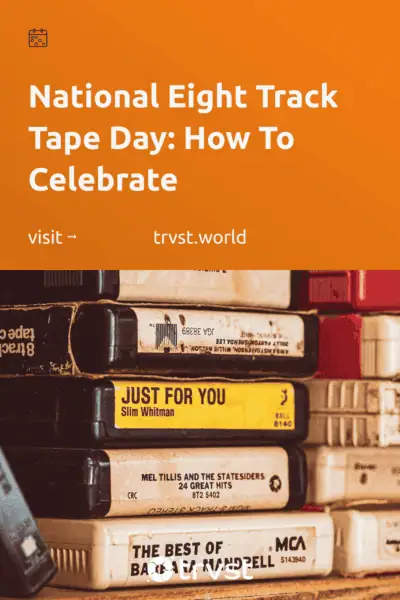
National Eight Track Tape Day: How To Celebrate

April 11 marks National Eight Track Tape Day. This grassroots celebration honors eight-track tapes during their peak years, roughly the1960s through the 1980s. No official organization runs this thing. Music nostalgia drives the whole deal.
Vintage audio enthusiasts keep this tradition alive. The day celebrates a format that once ruled car stereos nationwide.
Key Info: National Eight Track Tape Day
- When is National Eight Track Tape Day?
Occurs annually on the 11th of April - This Year (2026):
Saturday, April 11, 2026 (date has passed) -
Future Dates
- Sunday, April 11, 2027
- Tuesday, April 11, 2028
- Wednesday, April 11, 2029
- Thursday, April 11, 2030
-
Additional Details
- Observed By: Music enthusiasts, vintage technology collectors, and nostalgic fans of 1960s-1970s culture
- Where Is It Observed: United States
- Primary Theme: Music Technology History
- Hashtags: #EightTrackTapeDay #8Track #VintageTech #MusicHistory #RetroMusic #VintageAudio
Quick Links: National Eight Track Tape Day
What is National Eight Track Tape Day
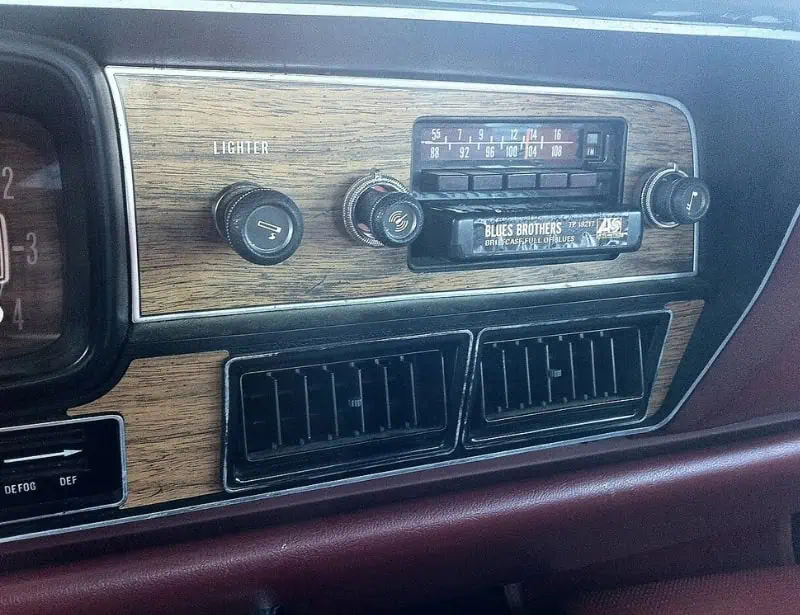
National Eight Track Tape Day recognizes eight-track cartridges each April 11th. This unofficial holiday emerged from collecting communities without any formal founding. The day celebrates eight-track's role as the magnetic tape system that dominated car stereos from the mid-1960s through the early 1980s.
According to American Enterprise Institute analysis, eight-track tapes captured up to 25% of the recorded music market during their 1973-1976 peak. Every level of involvement helps preserve this history.
Observed mainly in the United States, which makes sense, since that's where the format really took hold. Audio preservation advocates use this annual recognition to maintain format knowledge; they share collecting experiences too.
Why This Day Matters
This recognition preserves music format history as cultural memory fades. Eight-track cartridges represent the pre-digital era when physical media determined music consumption entirely. People who lived through the format's peak share nostalgic memories while younger generations discover tech changes through these discussions.
Format saving becomes urgent as magnetic tape deteriorates over time. Across all outdated art forms, there is an urgent need for digitization before permanent loss occurs.
Beyond educational value, the day bridges generational gaps through shared music history. Why does this matter now? Technological advancement often erases previous innovations completely.
Timeline
Ford Mustang offers first factory eight-track player
Eight-track format gains commercial traction
Peak eight-track sales in United States
Major labels phase out eight-track production
April 11 established as annual recognition day
How to Celebrate National Eight Track Tape Day
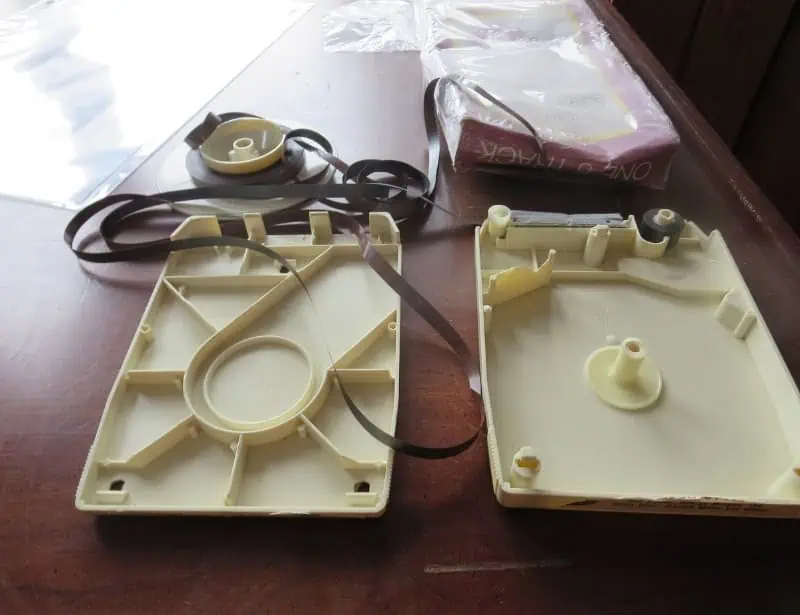
- Host listening parties using original eight-track equipment and albums from your collection.
- Create digital playlists featuring classic albums originally released in eight-track format during the 1970s peak.
- Share memories on social media using #EightTrackDay and #NationalEightTrackDay hashtags.
- Visit vintage audio shops or museums with audio technology displays to examine eight-track equipment firsthand.
- Join online forums through specialized websites and Facebook groups dedicated to vintage audio preservation.
Beyond this, you can demonstrate format comparisons by playing the same song across eight-track, cassette, vinyl, and digital formats. Upcycle old cartridges into creative art projects while keeping significant recordings digitally preserved.
This relates to educating others about format history through blog posts or social media content explaining eight-track's influence on culture. Attend vintage audio swap meets happening around April 11 in your area.
Research family history by asking older relatives about their eight-track collections. Car stereo memories from the format's heyday.
Conclusion
Mark April 11 on your calendar for National Eight Track Tape Day participation. Choose from simple playlist creation to full equipment displays and memory-sharing experiences.
This recognition celebrates broader music format history beyond just eight-track appreciation alone. Take these next steps: select participation methods, prepare social media content using #EightTrackDay, connect with local enthusiast communities.
Continue preserving another music format by joining National Vinyl Record Day on August 12.
Resources:
FAQs (Frequently Asked Questions)
Eight-tracks used a continuous loop - no rewinding needed. This worked great for car stereos where you couldn't flip tapes while driving. The format played four programs automatically, but songs got cut off when switching between tracks. Beyond this, the cartridges handled heat and road vibration better than cassettes during those peak years.
Most eight-tracks aren't worth much - maybe $5-15 for common titles. But rare pressings can hit $50-200. Quadraphonic releases and limited runs from smaller labels command higher prices. Condition matters more than age since many tapes suffer from the "program splice" issue where the internal splice fails.
Ford started pushing eight-tracks as factory options in 1965. American driving culture made the format click here. Long commutes and highway expansion created the right conditions. Meanwhile, Europeans and Asians went with cassettes. Smaller size, better home recording, more portable. Eight-tracks were built for American cars and American distances.
The Canada Conservation Institute points to hydrolysis as the main problem. Moisture breaks down the binder holding magnetic particles to the tape. You get squealing during playback and particles flaking off. Heat and humidity changes warp the tape pack inside the cartridge. This creates dropouts and can jam the internal mechanisms completely.
Albums over 50 minutes created real headaches for producers. The format's 25-minute program limit meant cutting songs or splitting them awkwardly across programs. Some bands recorded shorter albums just to avoid the format's switching problems. This mechanical constraint actively shaped how 1970s albums got structured and released.
Barbara is a former journalist who is passionate about translating important causes into engaging narratives. She combines communication expertise with an environmental science background to create accessible, fact-driven content.