
National Cuban Sandwich Day: History, Tradition & Celebration

August 23rd brings National Cuban Sandwich Day, whether you're ready or not. Tampa Bay Times reporter Christopher Spata started this whole thing back in 2016. Now you've got celebrations from Tampa's Ybor City all the way to Seoul, which honestly surprised me.
The day celebrates Tampa's food story and how Cuban families made their mark here. When immigrants create something this good, it sticks around.
Today, people worldwide connect over this sandwich that started in cigar-rolling neighborhoods.
Key Info: National Cuban Sandwich Day
- When is National Cuban Sandwich Day?
Occurs annually on the 23rd of August - This Year (2026):
Sunday, August 23, 2026 -
Future Dates
- Monday, August 23, 2027
- Wednesday, August 23, 2028
- Thursday, August 23, 2029
-
Additional Details
- Observed By: Food enthusiasts, Cuban-American communities, restaurants, and food bloggers across the United States
- Where Is It Observed: United States
- Primary Theme: Cultural Food Heritage
- Hashtags: #NationalCubanSandwichDay #CubanSandwich #TampaCuban #FoodHoliday #CubanFood
Quick Links: National Cuban Sandwich Day
How Tampa's Sandwich Became a Cultural Thing
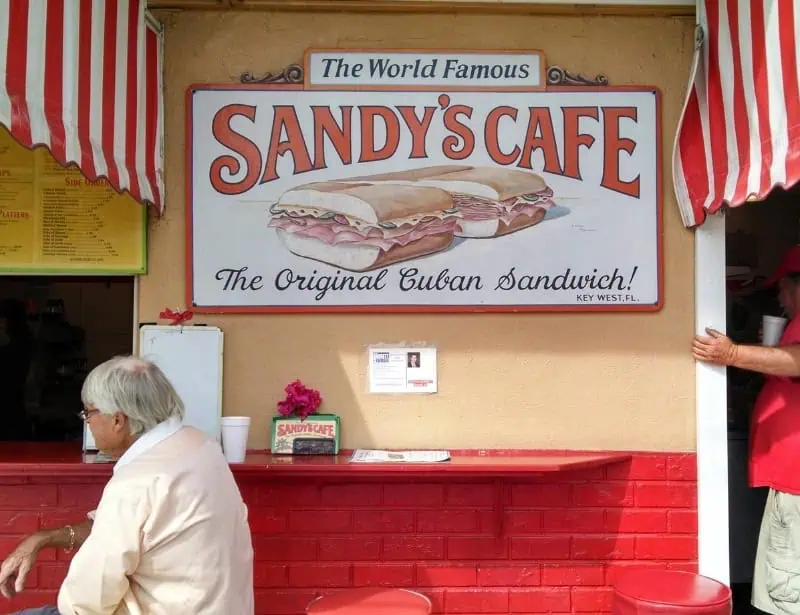
Tampa's immigrant story? It's literally inside every real Cuban sandwich.
The 1880s brought waves of families to Ybor City's cigar boom. By 1920, around 10,000 cigar rollers worked in 200 factories, cranking out nearly half a billion cigars annually.
Those workers needed grab-and-go meals during 12-hour shifts. Dr. Bárbara Cruz, who co-wrote "The Cuban Sandwich: A History in Layers," puts it perfectly: the sandwich represents "an immigrant story" that "was born in Cuba from the mixto" and developed through "cigar workers going to Key West, then coming to Ybor City and Tampa."
La Segunda Central Bakery opened in 1915. They nailed the Cuban bread recipe.
Copeland More explains what makes it work: "Cuban bread is a little bit sweet, a little bit sour, and it also has that salt flavor when a loaf comes out right." The Tampa City Council made the "Historic Tampa Cuban Sandwich" the official city dish in 2012.
Beyond this, traditional recipes create community identity when they survive generational changes. Why do authentic methods matter so much for keeping culture alive?
Food historian Andy Huse dug through nearly 500 sources, newspapers, menus from multiple countries, challenging what people thought they knew about the sandwich's origins.
Ways to Actually Celebrate
National Cuban Sandwich Day offers plenty of options:
Hit authentic Tampa spots using traditional prep and Cuban bread from places like La Segunda Central. Make your own—source real Cuban bread, roast pork properly, slice pickles thin, and press it right.
Support Cuban-American businesses throughout August, not just one day.
Share photos using #NationalCubanSandwichDay and #TampaEats. Attend local food festivals with competitions and cooking demos. Learn the preparation history and Tampa's immigrant contributions.
Compare Tampa's salami version versus Miami's traditional mixto.
Plan restaurant crawls or potluck gatherings. Connect with Cuban-American heritage groups running educational programs. Document family recipes—preserve those preparation stories before they disappear.
This stuff strengthens communities while keeping the food authentic.
Where the Celebration Spreads
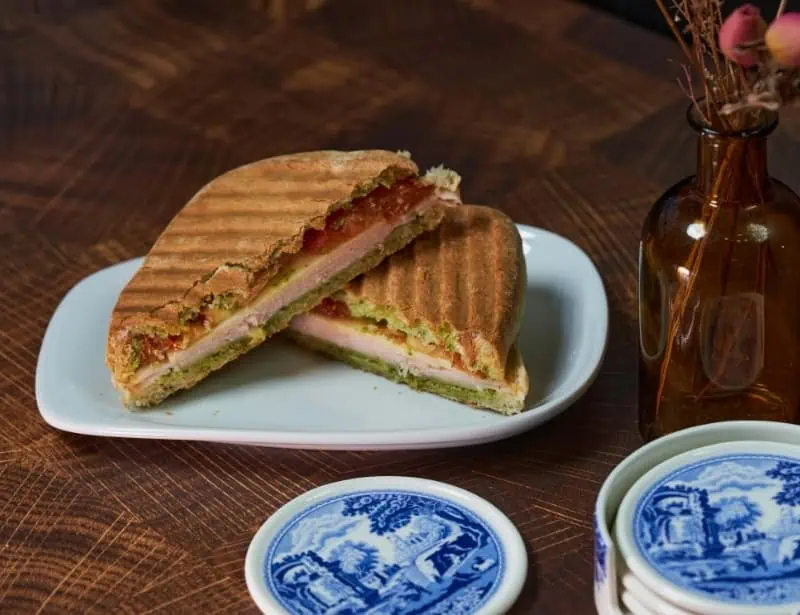
Tampa anchors everything, recognition reaches St. Petersburg, Austin, Cincinnati, and internationally to Seoul. The sandwich industry shows solid economic numbers—sandwich and sub restaurants pulled in $46.2 billion during 2024, with 2.0% compound annual growth over 5 years.
Local businesses see real August benefits. Restaurant traffic jumps around the 23rd. Cuban bakeries report expanded bread sales all month.
Food tourism grows as visitors seek authentic experiences in Tampa's historic neighborhoods.
This relates to how economic impact extends beyond single-day recognition. Cultural pride strengthens through media coverage and social sharing. And the celebration creates lasting awareness of immigrant contributions to American food culture.
What It Really Means
The sandwich symbolically represents successful integration. Each ingredient honors different groups who shaped Tampa's identity through industrial work and cultural contributions.
People appreciate how diverse immigrant communities have contributed to American food. Keeping traditional methods alive happens through community engagement.
Cross-cultural understanding develops through food diplomacy—shared meals build bridges between communities. These messages stay relevant while emphasizing authentic preparation and historical accuracy.
Getting Involved Beyond August 23rd
Ready to celebrate? Use local dining guides and Cuban-American community resources to find authentic Tampa spots. Follow Tampa establishment social accounts for prep insights and cultural education.
In practice, year-round engagement extends cultural appreciation. Visit Cuban cultural centers, attend heritage festivals, and consistently support immigrant-owned businesses. Community events feature cooking demonstrations and historical presentations throughout the year.
But the celebration really works when people form lasting connections to Tampa's legacy and ongoing Cuban-American contributions to American food traditions.
Resources:
FAQs (Frequently Asked Questions)
A real Tampa Cuban needs six things: ham, roast pork, salami, Swiss cheese, pickies, and yellow mustard on Cuban bread. That's it. The bread gets pressed until crispy outside while the cheese melts inside. Tampa's version stands out because of the salami—something you won't find in Miami Cubans. This relates to Ybor City's mix of cultures back when the sandwich first appeared. Columbia Restaurant, which claims they made the first one, sticks to this exact recipe. They're clear about what doesn't belong too—no mayo, no lettuce, no tomato, and definitely no turkey.
Restaurants looking to honor National Cuban Sandwich Day should start with real Cuban bread. This makes or breaks the sandwich. Next, follow Tampa's recipe—don't forget the Genoa salami that sets it apart. The pressing technique matters just as much as the ingredients. Beyond this, smart restaurants connect with Cuban-American community members who can verify their approach. Since 2016, many places also provide small cards explaining the sandwich's background. The effect isn't just a tastier sandwich but a genuine cultural experience for customers.
Family recipes stay alive through active documentation. Video works best—showing how abuela presses the sandwich captures details that words miss. Written recipes help too, especially with notes about why certain brands or techniques matter. This suggests interviewing older family members while they prepare the sandwich. Photos of each step provide backup when memory fades. Some families take preservation further by sharing their methods with local historical groups. When families record their migration stories alongside recipes, they save not just a sandwich but their place in American food history.
Tampa puts Genoa salami in their Cubans. Miami doesn't. That one ingredient sparks serious debates between the cities. Tampa folks point to their Italian immigrants in Ybor City as the reason for adding salami alongside the standard roast pork, ham, Swiss, pickles and mustard. Miami keeps it simpler without the salami. Key West goes in another direction with their "Cuban mix" by adding mayo, lettuce and tomato—a move that makes traditionalists from both rival cities shake their heads. The sandwich reflects each region's unique history and stubborn local pride. Today the rivalry continues with each city claiming the more authentic version.
Barbara is a former journalist who is passionate about translating important causes into engaging narratives. She combines communication expertise with an environmental science background to create accessible, fact-driven content.
