National Chocolate Chip Cookie Day: History In Every Bite

Fresh-baked memories connect us all. August 4th marks National Chocolate Chip Cookie Day. It's about time we gave this treat proper recognition.
This celebration honors America's beloved accidental invention, though was it really an accident? Ruth Graves Wakefield created something magical at her Toll House Inn in 1938.
Her kitchen experiment became what we now call a nationwide obsession. The chocolate chip cookie earned official recognition through decades of social media momentum, building from regional favorite to national tradition. Today, millions celebrate this simple treat that changed American baking forever.
What started as one woman's culinary creativity became our most cherished comfort food. National Chocolate Chip Cookie Day represents more than sweet indulgence; it celebrates innovation, tradition, and the power of sharing something delicious.
Key Info: National Chocolate Chip Cookie Day
- When is National Chocolate Chip Cookie Day?
Occurs annually on the 4th of August - This Year (2026):
Tuesday, August 4, 2026 (date has passed) -
Future Dates
- Wednesday, August 4, 2027
- Friday, August 4, 2028
- Saturday, August 4, 2029
- Sunday, August 4, 2030
-
Additional Details
- Observed By: Home bakers, commercial bakeries, food establishments, and cookie enthusiasts across America
- Where Is It Observed: United States
- Primary Theme: Food and Culinary Heritage
- Hashtags: #NationalChocolateChipCookieDay #ChocolateChipCookieDay #ChocolateChipCookies #CookieDay #BakingDay
Quick Links: National Chocolate Chip Cookie Day
The Sweet Accident That Changed America
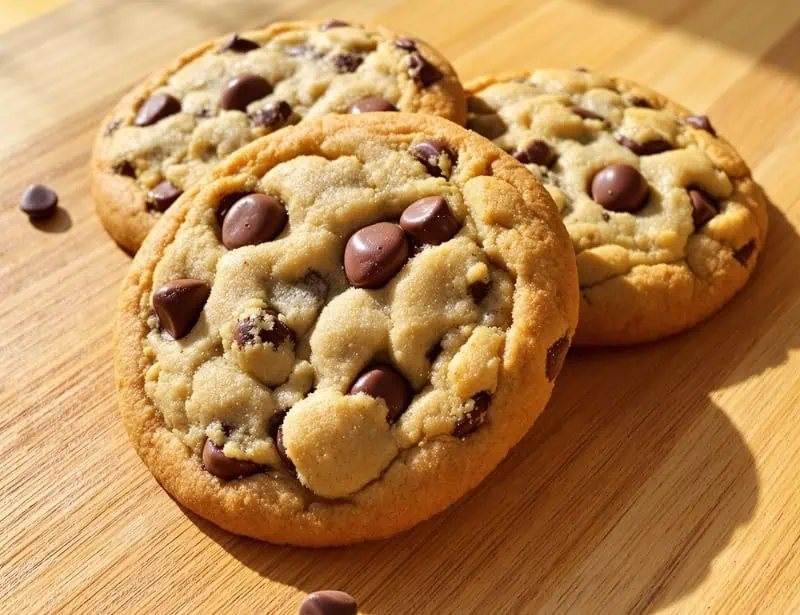
Ruth Wakefield's moment at Toll House Inn wasn't really an accident. Research reveals Wakefield was "a marketer, a businesswoman and a trained cook with training in nutrition" who "absolutely believe[d] she knew what she was doing," according to Carolyn Wyman, author of "The Great American Chocolate Chip Cookie Book."
Her 1938 innovation sparked something big. The recipe spread through Boston newspapers and radio shows by 1939. Nestlé recognized the potential immediately.
But could one deliberate kitchen decision truly reshape American comfort food forever?
This kitchen creativity represented something uniquely American—taking simple ingredients and transforming them into comfort food magic. Wakefield's methodical experimentation produced a treat that would define generations of family baking traditions.
The cookie's effect extended far beyond Massachusetts. World War II soldiers shared care package cookies with fellow servicemen nationwide.
As Wyman notes, "Before the war they were a largely East Coast-based fad; after Toll house cookies rivaled apple pie as the most popular dessert recipe in the country."
Timeline of Cookie Day Recognition
The path from invention to national celebration shows how American food culture evolves—sometimes slowly, sometimes all at once. Ruth Wakefield's partnership with Nestlé in 1940 launched mass production of chocolate morsels for home bakers.
Key Moments:
Ruth Wakefield invents chocolate chip cookie at Toll House Inn
Recipe spreads through Boston newspapers and radio shows
Nestlé begins mass-producing chocolate morsels for home bakers
Social media drives National Chocolate Chip Cookie Day recognition
Modern celebration differs from Wakefield's original vision. Her focus centered on quality inn dining. Today's observance emphasizes community sharing and family traditions across all economic levels.
How to Celebrate Like a Cookie Champion

Cookie Day offers celebration options for every community size and interest level.
Individual Celebrations:
Master Ruth Wakefield's original recipe using quality ingredients. Document your baking process for social media sharing. Visit local bakeries to support cookie artisans in your area.
Family Traditions:
Organize multi-generational baking sessions with grandparents—these create lasting memories. Create cookie decorating stations for children's creativity.
Start annual cookie contests between family members because friendly competition makes everything better.
Community Engagement:
Coordinate neighborhood cookie swaps with diverse recipes. Partner with local schools for educational baking demonstrations that teach kids about food history.
Support food banks through organized cookie donations.
Business Participation:
Offer employee cookie-decorating team-building activities. Create social media campaigns using #NationalChocolateChipCookieDay. Partner with local bakeries for workplace delivery services.
The Deeper Meaning Behind the Crumbs
Chocolate chip cookies represent more than dessert indulgence. They embody American innovation from simple ingredients.
Massachusetts designated the chocolate chip cookie as the official state cookie in 1997, recognizing its cultural importance.
These treats connect generations through shared baking experiences. Intergenerational recipe sharing preserves family food heritage, creating bridges between past and present. The cookie's comfort food significance extends beyond taste preferences.
Ruth Wakefield's legacy shows how individual creativity shapes collective awareness. Her professional expertise created something that brings families together decades later—a testament to good ideas spreading naturally.
Modern celebrations honor both culinary innovation and home baking traditions that define American food heritage.
Your Cookie Day Action Plan
This August 4th demands participation beyond passive appreciation. Bake cookies using quality ingredients that honor Wakefield's original vision, but don't stress about perfection.
Share your creations with neighbors, coworkers, or local community groups.
Support local bakeries by purchasing their chocolate chip cookie specialties. Start new family traditions around cookie baking and sharing. Document your celebration for future generations.
Your participation connects individual enjoyment to broader community celebration of American food heritage. In practice, it honors the professional expertise that Wakefield brought to her famous kitchen innovation.
A fan of other desserts? Save National Chocolate Cake Day and National Crème Brûlée Day in your calendars.
Resources:
FAQs (Frequently Asked Questions)
The humble chocolate chip cookie has come a long way since Ruth Wakefield first baked them in 1938. What started in home kitchens now drives a massive global market. Archivemarketresearch expects it to hit $5 billion by 2025. The real growth story? Premium cookies. Today's consumers happily pay $4-$5 for a single artisanal cookie, pushing the U.S. gourmet segment to $12.07 billion this year according to Virtuemarketresearch. Beyond this, Dataintelo reports strong regional growth across North America and parts of Asia. Not just a treat anymore – it's big business.
Cookie lovers with dietary restrictions don't need to miss out on National Chocolate Chip Cookie Day. Gluten-free versions swap in almond flour that works surprisingly well. Vegans use flax eggs instead of chicken eggs. Since 2020, keto-friendly recipes have gained serious traction with sugar substitutes that maintain the classic sweet flavor profile. This suggests dietary restrictions no longer mean taste compromise. The best part? Many alternatives actually taste good now – not just "good for being gluten-free."
Smart businesses turn Cookie Day into profit. Chip City doubled their transactions with a simple free cookie offer through their mobile app. The promotion also shot their app rankings up. This relates directly to consumer engagement strategies that work. DoubleTree hotels gained visibility by giving away their famous cookies at locations nationwide. In practice, rotating limited offers keeps customers coming back – Crumbl Cookies proves this with weekly flavor changes that drive recurring visits and build anticipation. Small bakeries can follow these models without massive marketing budgets.
Sustainable cookie baking starts with ingredients and ends with packaging. Fair-trade chocolate ensures farmers receive proper payment. Using eggs and milk from local farms cuts transportation emissions. When baking, composting eggshells and used parchment paper reduces waste. Energy-efficient ovens make a difference too. Recently, many bakers have switched to recyclable packaging instead of plastic. One simple change with major effect: buying flour and sugar in bulk using reusable containers. These small steps add up to real environmental protection while still making delicious cookies.
Americans love chocolate chip cookies everywhere – 53% of adults name them their go-to snack. But regional differences exist despite limited market data. Coastal cities show stronger demand for health-conscious options like reduced-sugar varieties. Southern states generally stick with traditional recipes. Weather patterns affect sales too. Cookie consumption jumps during winter months in the Northeast, while Southwest regions maintain steady year-round sales. Since 2022, gluten-free options have gained most traction in urban centers with higher wellness awareness. But one truth remains nationwide: nothing beats a classic chocolate chip cookie fresh from the oven.
Barbara is a former journalist who is passionate about translating important causes into engaging narratives. She combines communication expertise with an environmental science background to create accessible, fact-driven content.