
National Banana Split Day: A Sweet Pennsylvania Creation

National Banana Split Day happens on August 25th each year. The whole thing started back in 1904 when David Strickler, just 23 and working as an apprentice pharmacist, got creative at Tassell Pharmacy in Latrobe, Pennsylvania.
He split a banana, added three scoops of ice cream, and loaded it with toppings. Pretty simple idea that caught on fast.
Cost ten cents when other sundaes went for five. Students from Saint Vincent College couldn't get enough of what they called "Dr. Dave's" sundae. The National Ice Cream Retailers Association made it official in 2004; Latrobe is the real birthplace after they checked out claims from other towns.
Key Info: National Banana Split Day
- When is National Banana Split Day?
Occurs annually on the 25th of August - This Year (2026):
Tuesday, August 25, 2026 (date has passed) -
Future Dates
- Wednesday, August 25, 2027
- Friday, August 25, 2028
- Saturday, August 25, 2029
- Sunday, August 25, 2030
-
Additional Details
- Observed By: Ice cream parlors, restaurants, dessert enthusiasts, and food establishments across America
- Where Is It Observed: United States
- Primary Theme: Food and Dessert History
- Hashtags: #BananaSplitDay #NationalBananaSplitDay #BananaSplit #IceCreamDay #Desserts
Quick Links: National Banana Split Day
Why This Day Actually Matters for Communities

Food historian Michael Turback puts it well: the banana split "reflects our genius for invention, passion for indulgence, and reputation for wackiness." This dessert captures something distinctly American about creativity and making treats everyone can enjoy.
Communities bond over shared dessert experiences. Latrobe's annual Great American Banana Split Celebration draws 20,000 visitors, according to Briana Tomack, President and CEO of the Greater Latrobe-Laurel Valley Chamber of Commerce. She's clear about food's power: "The banana split is the most delicious dessert ever."
Local ice cream shops get a real boost during this day. Pennsylvania ranks third nationally for ice cream production. Regional food celebrations create a serious economic impact. Pennsylvania's agricultural fairs generate $1.14 billion in total economic impact while supporting 10,700 jobs.
The day also preserves food traditions across generations. What role does food heritage play in your community's identity?
How the Banana Split Legacy Unfolded
David Strickler creates banana split at Tassell Pharmacy in Latrobe, PA
Original three-scoop recipe becomes local hit
National Ice Cream Retailers Association certifies Latrobe as official birthplace
Annual recognition gains momentum nationwide
Ways People Celebrate and Get Involved
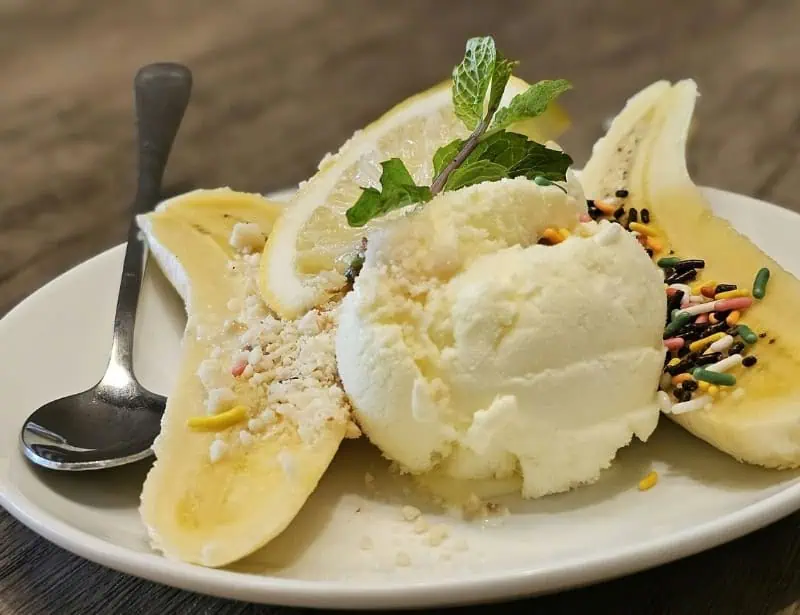
Strickler's original creation needed special "banana boat" dishes from Westmorland Glass Company in nearby Grapeville. Real thought went into the design.
People and families can build traditions:
- Host banana split parties with DIY dessert stations
- Visit local ice cream parlors offering special varieties
- Learn authentic prep using proper three-scoop arrangements
- Organize community contests for eating or recipe variations
- Partner with schools on food innovation history programs
Businesses join in through special offerings. William Goldfield from Dole Food Company explains their role: "Dole is proud that our bananas have provided the foundation for countless classic and new-twist banana split recipes."
Community festivals need volunteer networks. Tomack notes "the whole community is on one committee or another." This model creates real connections while building local strength.
Key Themes and What This Day Represents
National Banana Split Day celebrates classic American desserts and innovation. The day honors food craftsmanship while supporting local ice cream makers.
Community connections develop through shared dessert experiences that stick with people. The banana split represents American abundance internationally—its elaborate presentation shows creativity values that help people abroad understand American food culture beyond typical exports.
Supporting local businesses strengthens regional economies during the day. Pennsylvania's dairy industry contributes $11.8 billion annually while providing 47,000 jobs. These connections between food traditions and economic impact create real opportunities for participation.
Taking Action This National Banana Split Day
Visit your local ice cream shop on August 25th. Make authentic banana splits using traditional three-scoop arrangements. Support community festivals that preserve food heritage.
Share dessert stories with family members. Volunteer with local committees.
These actions create a lasting impact.
Resources:
FAQs (Frequently Asked Questions)
Store ice cream between 6-10°F for better scooping. Pick bananas that feel firm - not too ripe - at around 56-58°F. This gives your split the right structure. Once you've built your masterpiece, eat it fast! The whole thing starts melting and getting soggy within 8-10 minutes at room temperature.
Today's banana splits work great with dairy-free alternatives. Try coconut, almond or oat-based ice creams for the base. This relates to the toppings too - pick sugar-free options and check that sprinkles don't contain gelatin for vegan eaters. Since 2018, more diabetic-friendly choices have appeared, using natural fruit toppings instead of sugary syrups.
Regional banana splits exist, but food records don't track them well. Boston created an early version with vanilla ice cream, peaches, and nuts. Beyond this, most places stick to the basic three-scoop format. Food historian Mike Turback points to standardization across the country, though local twists probably exist without much documentation. Some shops claim unique "local styles," but these aren't covered in culinary literature.
The research on international banana split variations is surprisingly thin. American versions typically feature three distinct scoops - vanilla, chocolate, and strawberry - with pineapple and strawberry sauce. But good comparisons with overseas versions don't exist in current sources. This suggests either limited global adoption or a lack of proper culinary research on the topic.
Barbara is a former journalist who is passionate about translating important causes into engaging narratives. She combines communication expertise with an environmental science background to create accessible, fact-driven content.
