
International Pinot Noir Day: A Global Toast To Elegance

International Pinot Noir Day hits August 18th every year. Wine's most difficult grape gets its moment. This celebration started back in 1987 to honor a variety that gives winemakers headaches worldwide.
Today Oregon pours tastings while New Zealand's South Island hosts harvest events.
Pinot Noir demands respect. Each sip tells soil and climate stories in ways few grapes achieve. Wine communities gather annually to explore these unique expressions; André Tchelistcheff famously said: "God made Cabernet Sauvignon, whereas the Devil made Pinot Noir."
The celebration connects new drinkers with serious collectors through shared appreciation.
What makes this day special goes beyond simple wine appreciation into liquid geography?
Key Info: International Pinot Noir Day
- When is International Pinot Noir Day?
Occurs annually on the 18th of August - This Year (2026):
Tuesday, August 18, 2026 (date has passed) -
Future Dates
- Wednesday, August 18, 2027
- Friday, August 18, 2028
- Saturday, August 18, 2029
- Sunday, August 18, 2030
-
Additional Details
- Observed By: Wine enthusiasts, vintners, sommeliers, and hospitality professionals worldwide
- Where Is It Observed: International
- Primary Theme: Wine Appreciation and Education
- Hashtags: #PinotNoirDay #InternationalPinotNoirDay #PinotNoir #WineDay #WineLover #WineTasting
Quick Links: International Pinot Noir Day
Why International Pinot Noir Day Exists

Wine education drives this focused celebration unlike generic wine holidays. Pinot Noir shows terroir more clearly than most varietals. Each region makes different wines from identical grapes.
Ken Wright from Oregon's Willamette Valley captures this perfectly: "For me, Pinot Noir is a completely blank canvas and everything you smell and taste has everything to do with where it's grown."
This day celebrates winemaking artistry at its most challenging level. Burgundian origins from the 1st century established patterns modern winemakers still follow. The grape's sensitivity rewards careful work with extraordinary complexity.
Wine writer Frank Prial noted that "Even the Burgundians, who have been working with it for centuries, have trouble growing Pinot Noir and more trouble making it into wine."
Wine communities use August 18th to build connections across regions. Educational tastings reveal how Oregon's cool climate makes different flavors than New Zealand's ocean influence. Regional variations become conversation starters rather than intimidating jargon.
The celebration transforms individual appreciation into shared learning. Restaurants design special pairings. Wineries open reserve bottles typically unavailable for public tastings.
Timeline
International Pinot Noir Day established by wine industry
Oregon wine country begins formal recognition
New Zealand and global wine regions adopt observance
Worldwide celebration across major Pinot Noir producing regions
How to Celebrate International Pinot Noir Day
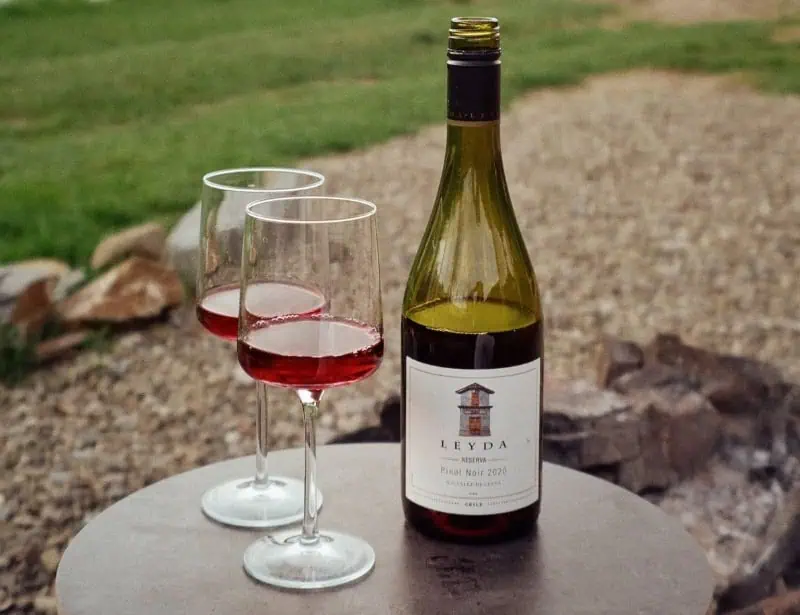
Start with tastings at home. Purchase bottles from three different regions. Oregon, New Zealand, and Burgundy are good starting points. Taste them side by side to understand how place affects taste. Note how climate shapes flavor.
Visit local restaurants featuring special Pinot Noir menus. Many establishments design August 18th pairings highlighting the grape's food-friendly nature. Duck, salmon, and mushroom dishes complement Pinot Noir's earthy undertones beautifully.
Attend winery events in major Pinot Noir regions. Oregon's Willamette Valley hosts open houses while New Zealand wineries in Central Otago offer harvest-season tastings. These events give direct access to winemakers sharing their stories.
Pinot Noir's complexity makes it ideal for team tastings that combine learning with networking.
Join virtual tastings connecting global wine communities. Online sessions allow participation in regional celebrations through guided video experiences. This opens access to expert knowledge previously available only to local attendees.
Explore wine club memberships focusing on Pinot Noir. Many wineries offer varietal-specific clubs that give quarterly shipments with educational materials. This extends single-day celebration into year-round exploration.
Regional Celebration Traditions
Since 1987, Oregon's wine country has transformed August 18th into community events. McMinnville's International Pinot Noir Celebration represents America's premier Pinot-focused gathering with roughly 950 registered attendees annually.
Willamette Valley wineries coordinate open houses allowing visitors to taste directly from barrels. The state's wine tourism contributes an estimated $758 million to Oregon's economy while supporting nearly 8,806 jobs{3}.
New Zealand takes a harvest-focused approach in Marlborough and Central Otago regions. Charlotte Read from New Zealand Winegrowers emphasizes that "New Zealand Pinot Noir is something else," highlighting characteristics that distinguish it globally.
Virtual tastings connect international audiences with New Zealand winemakers sharing their ocean-influenced techniques.
But Burgundy, France, maintains traditional observances rooted in centuries of winemaking heritage. The region's sales remained above one billion euros for the fourth consecutive year, reaching 1.5 billion euros despite economic challenges.
French celebrations focus on educational aspects through intimate tastings emphasizing historical vineyard sites rather than large public events.
In practice, today's celebrations blend traditional approaches with modern technology. Online platforms connect global participants to regional expertise while maintaining the personal connections that make Pinot Noir special.
Making the Most of Your Celebration
Transform single-day appreciation into wine education through careful exploration. Oregon's total wine industry economic activity reached $8.169 billion in 2022, representing a 12.8% increase from 2019 levels. This growth reflects increasing consumer interest in quality wine education and experiences.
This suggests deeper engagement opportunities exist. Wine clubs specializing in Pinot Noir from specific regions give exposure to different winemakers and vintage variations. Many clubs include detailed tasting notes explaining each wine's characteristics and how place affects taste.
Plan visits to major Pinot Noir regions during harvest seasons for direct winemaker interactions. These experiences deepen appreciation for the craft's challenges and rewards. Wine communities meeting throughout the year create ongoing learning opportunities.
The grape's complexity gives endless exploration potential for serious enthusiasts.
Prefer other types of drinks? Join National Espresso Day and National Hot Chocolate Day.
Resources:
FAQs (Frequently Asked Questions)
Pinot Noir grapes have thin skins that can't handle much stress. They burn easily in hot sun and rot quickly when wet. Wine Spectator notes they catch fungus and mildew faster than most varieties. The plant itself grows too vigorously, creating what HortScience calls "source-sink imbalances" - basically the vine puts energy in the wrong places. Oregon growers spend almost a third of their budget just managing these unruly vines. Beyond this, the grape reacts strongly to small temperature changes. When berries start ripening, even minor heat spikes throw off development timing. This makes planning harvests a real headache for growers.
Climate change is speeding up how Pinot Noir ripens. German researchers Feifel and others found these grapes now build sugar before flavors fully develop. This creates a disconnect between sugar readings and actual grape readiness. Since 2010, vineyards across Oregon have been picking earlier almost every year. The grapes simply don't experience the same growing patterns they once did. This suggests traditional Pinot regions might struggle to make wines in their classic style. Skahill's climate projections show these temperature shifts aren't stopping anytime soon. Some areas famous for Pinot may need to adapt their methods or risk losing their signature taste profiles.
Today's Pinot celebrations use apps like Vivino and Delectable where users snap photos of bottles and share thoughts instantly. Many wineries run virtual tastings through Zoom or Instagram Live, letting fans participate from anywhere. This connects enthusiasts across continents in real time. Social media scheduling tools help coordinate global events so California breakfast tastings align with evening sessions in Europe. In practice, wineries also use blockchain technology to verify bottle authenticity - a key concern when celebrating with special vintages. These digital approaches have expanded what was once a local event into a truly global wine holiday.
Pinot Noir fetches premium prices - Oregon State research shows it averages $2,375 per ton while other grapes sell for much less. This makes it attractive for regions wanting to build high-end reputations. The effect on local economies can be dramatic. Oregon's wine industry, built largely around Pinot, generated over $8 billion in economic activity by 2022. Nearly 40,000 jobs now depend on this sector. And Pinot hasn't slowed down - it maintains steady double-digit growth even when other wine categories flatten. This gives new wine regions a reliable foundation for growth. When smaller areas invest in quality Pinot production, they often see tourism increase as visitors seek out these distinctive wines.
Pinot Noir has become the face of sustainable wine production, especially in Oregon. University of the Pacific research points to pioneers like Sokol Blosser who've made sustainability central to their approach. Nearly half of Oregon's vineyard land now carries sustainability certification through programs like LIVE, which sets standards for both growing and winemaking. This relates directly to consumer expectations - people who buy premium Pinot often care deeply about environmental issues. Wineries respond with carbon-neutral facilities, water conservation systems, and habitat protection. The grape's need for careful attention means growers are already in the fields constantly, making it easier to implement hand-tended sustainable practices rather than industrial approaches.
Barbara is a former journalist who is passionate about translating important causes into engaging narratives. She combines communication expertise with an environmental science background to create accessible, fact-driven content.
